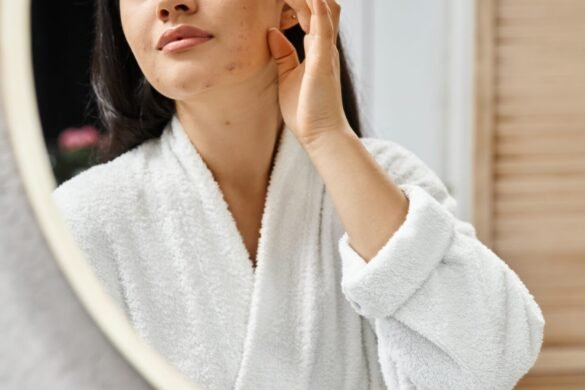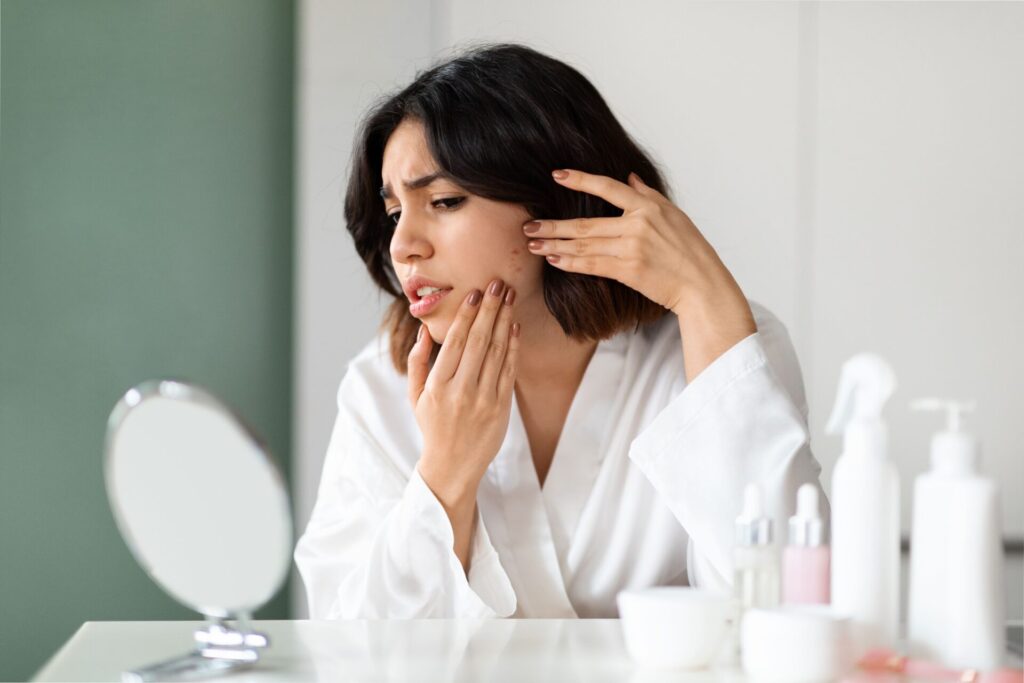
You’ve finally taken the plunge and started an acne treatment, hoping for clearer, calmer skin before long. But a few days or weeks in, your skin suddenly seems to be getting worse, not better. Spots are cropping up where there weren’t any before, and your face looks even more inflamed than when you started. Don’t give up just yet! This is a well-known phenomenon called “skin purging”. Below, we explain exactly why it happens, how to spot it and, most importantly, how to manage it.
What exactly is skin purging?
Skin purging is a fairly common reaction that occurs when you start using a particularly active anti-blemish product (retinoids, exfoliating acids such as salicylic acid or glycolic acid). It corresponds to a temporary acceleration of cell turnover, which rapidly brings hidden imperfections to the surface of the skin.
Put simply, these sudden breakouts aren’t new spots. They’re micro-comedones that were already forming deeper in the skin; your new treatment is just bringing them to the surface sooner.
So, even if it feels uncomfortable, purging is often a sign that your skincare is working: it speeds up skin renewal, so blemishes that were already forming come to the surface sooner.
Skin purging or a negative reaction to the product: how to tell the difference? 🔍
Not every skin reaction to an anti-acne product is a purge! Here’s how to distinguish a purge from an intolerance reaction:
| Skin purging ✅ | Negative reaction (irritation/allergy) ❌ |
| Appears quickly (1 to 3 weeks) | Appears immediately (within a few days) |
| Localised to usual breakout-prone areas | Can affect the entire face |
| Blemishes clear up quickly | Persistent redness and irritation |
| Progressive improvement after 4 to 6 weeks | No improvement after several weeks |
If your skin is red, painful, or intensely itchy, it is advisable to temporarily stop using the product and consult a dermatologist.
How long does skin purging last? 📅
On average, skin purging lasts between 3 and 6 weeks after starting the treatment. During this period, breakouts may be more frequent and your skin may appear more inflamed. Once this phase has passed, your skin should begin to show clear signs of improvement: blemishes become less frequent, smaller, and less inflamed.
If after 6 to 8 weeks you see no improvement at all, consult a healthcare professional to reassess your treatment.
How to effectively manage skin purging? 🌿
A few simple steps can help you get through this tricky period more comfortably:
- Stick with the treatment — patiently and consistently: stopping the product abruptly won’t halt the purge, but it may prevent the treatment from working effectively in the long run.
- Minimise irritation: avoid layering too many exfoliating or irritating actives at once. Keep things simple with a gentle cleanser and a soothing moisturiser.
- Moisturise generously: well-hydrated skin tolerates powerful actives more easily. Opt for lightweight textures rich in hydrating ingredients such as hyaluronic acid or glycerin.
- Keep your hands off blemishes: picking or squeezing spots slows down healing and increases the risk of scarring.
- Daily sun protection: anti-blemish treatments often make skin more sensitive to UV rays. A sunscreen helps protect your skin and prevent post-inflammatory pigmentation marks.
Ingredients most likely to trigger a purge 💡:
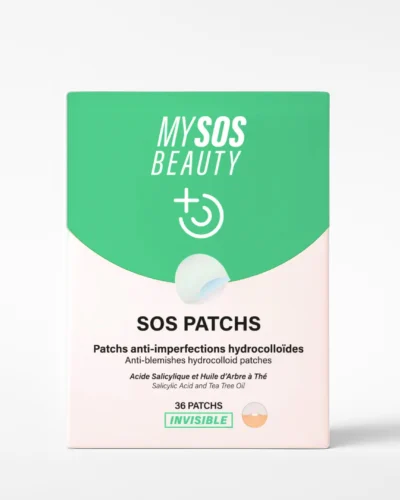
For whiteheads on the surface
- Draws out impurities from the pimple
- Works in 6 to 8 hours
- Leaves no marks
If you are using any of the following actives, a purge is quite possible:
- Salicylic acid (BHA): exfoliates deep within pores and thoroughly cleanses them.
- Glycolic acid (AHA): may promote cell turnover at the surface.
- Retinoids (retinol, adapalene, tretinoin): powerfully accelerate skin cell renewal.
- Vitamin C (ascorbic acid): sometimes exfoliating at higher concentrations, it can trigger a mild purge.
My SOS Beauty solutions to help you through the purge 🌟
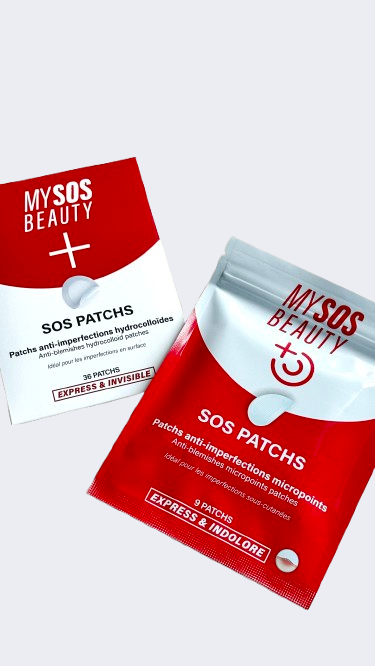
At My SOS Beauty, we understand just how uncomfortable and frustrating the skin purging phase can be. To support you through it, we have developed SOS Patches designed to make this delicate stage easier:
- SOS Micropoint Patches: Featuring micro-needles infused with salicylic acid, tea tree oil and niacinamide, these patches work deep into subcutaneous blemishes. They help soothe the look of redness and discomfort and reduce the appearance of blemishes.
- SOS Hydrocolloid Patches: Ideal for blemishes that have already surfaced, these patches absorb impurities, help reduce their appearance more quickly, and stop you from touching spots — helping to minimise residual marks.
These two types of patches can work as a complementary duo during the purging phase: Micropoints to help target deep-seated blemishes, and Hydrocolloids to help soothe the look of surface-level blemishes.
Frequently asked questions
Yes, it can happen with certain active products, such as retinoids or exfoliating acids. It may be skin purging: cell turnover speeds up, so micro-comedones that were already forming reach the surface faster. That said, not every breakout at the start of a treatment is a purge.
Not every reaction to an acne product is a purge. Purging brings imperfections that were already forming under the skin to the surface. If, on the other hand, your skin turns red, painful or intensely itchy, it may be an intolerance. In that case, it’s best to stop using the product temporarily and see a dermatologist.
If your skin is purging, it’s best to stick with your skincare routine patiently and consistently. Stopping the product abruptly won’t halt the purge and may prevent it from working effectively in the long run. Just avoid layering several exfoliating actives and keep to a gentle cleanser and a soothing moisturiser. If you notice redness, pain or intense itching, stop the product and see a dermatologist.
Actives that speed up cell turnover are the most likely culprits. These include salicylic acid (BHA), which exfoliates deep within pores, and glycolic acid (AHA), which works at the surface. Retinoids such as retinol, adapalene and tretinoin are also on the list. At higher concentrations, vitamin C can sometimes trigger a mild purge too.
Conclusion ✨
Skin purging can be disheartening, but it’s generally a sign that your anti-blemish skincare is doing its job. Stick with your routine, be gentle with your skin, build in a few soothing habits and give it time to settle.
Explore the full range of My SOS Beauty products now, and rediscover clear, radiant skin every day! 🌸
Related articles
- Makeup and acne: how to choose your products without making breakouts worse?
- Post-blemish scars and marks: How to fade them and prevent their appearance
- When and How to Use Anti-Blemish Patches?
Useful categories: Blemishes.
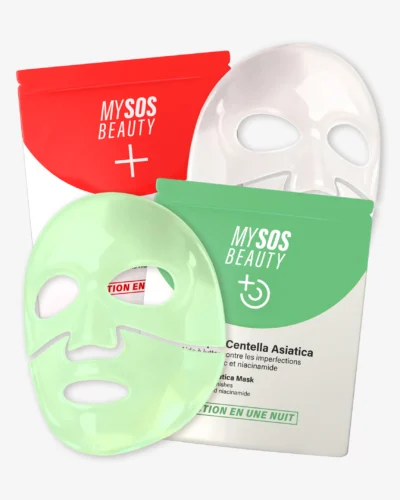

Helps reduce the appearance of imperfections
- Soothes redness
- Prevents the appearance of new pimples
- 95.9% natural formula