
Bakuchiol, derived from the seeds of the Psoralea corylifolia plant, is fast becoming the go-to botanical alternative to retinol in many skincare routines. In this article we’ll explore what the ingredient is used for when it comes to the signs of ageing and blemishes, how it differs from retinol, the best way to incorporate it into your daily regimen and which skin types might consider it, along with the precautions to take.
If you’re curious about whether bakuchiol could be a gentle addition to your routine, read on for a clear, no-nonsense guide.
What exactly is Bakuchiol? 🌱
Bakuchiol is a molecule extracted from the seeds of a plant called Psoralea corylifolia, native to India. Traditionally used in Ayurvedic and Chinese medicine, where it is reputed to be soothing, this plant is now capturing the attention of the cosmetics world: its uses are often compared to those of retinol, and it has a reputation for being better tolerated. In short, it is a plant-based alternative to retinol, valued for its gentleness.
Why is Bakuchiol generating so much buzz? 💡
Bakuchiol has become very popular for two main uses in skincare:
- Anti-ageing: it is found in products that target fine lines and a lack of firmness.
- Blemish control: it is popular in routines for skin prone to oiliness, for a skin texture that looks clearer and more even.
It is often described as better tolerated than retinol, which can cause redness, dryness or flaking. That is why it appeals to sensitive or reactive skin types, although tolerance varies from person to person.
Another point often mentioned: retinol is not recommended during pregnancy and breastfeeding, and bakuchiol is presented as an alternative. If this applies to you, ask your doctor or midwife for advice first.
Bakuchiol vs Retinol: what’s the difference? 🌿
Retinol (pure vitamin A) is a benchmark anti-ageing ingredient. However, it is also well known for its frequent side effects, especially during the first few weeks of use (the infamous retinol “purge”).
Bakuchiol, on the other hand, is used for similar goals (elasticity, a more even tone, less shiny skin) and is generally described as gentler on the skin.
In a nutshell:
| Criteria | 🧪 Retinol | 🌿 Bakuchiol |
| Origin | Synthetic (pure Vitamin A) | Plant-based (Psoralea corylifolia) |
| Side effects | Frequent irritation | Less common; often chosen for sensitive skin |
| Pregnancy & breastfeeding | ❌ Not recommended | ⚠️ Only on medical advice |
| Tolerance | Low (at first) | Generally good, but check |
How to incorporate Bakuchiol into your skincare routine? 🧴
Bakuchiol can easily be used morning and evening, in the form of serums, creams, or facial oils. Here is how to work it into your routine:
- Step 1: Cleanse
- Use a gentle cleanser suited to your skin type.
- Step 2: Bakuchiol serum or treatment
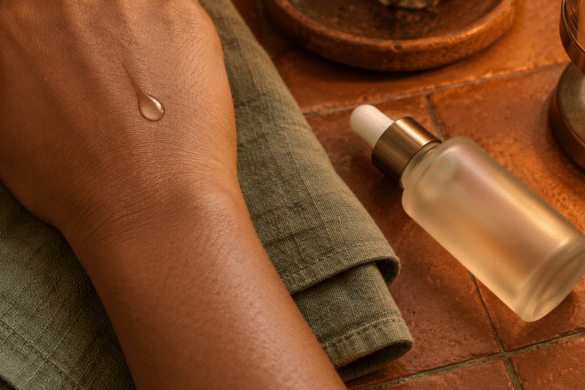
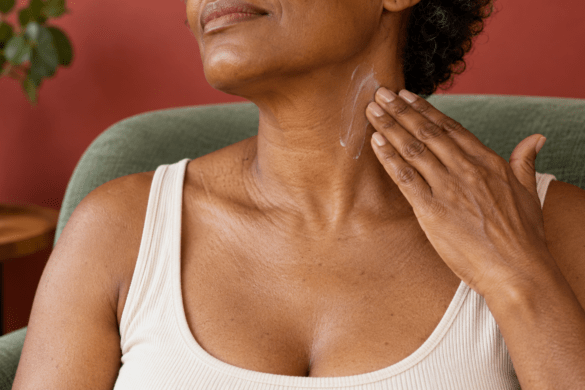
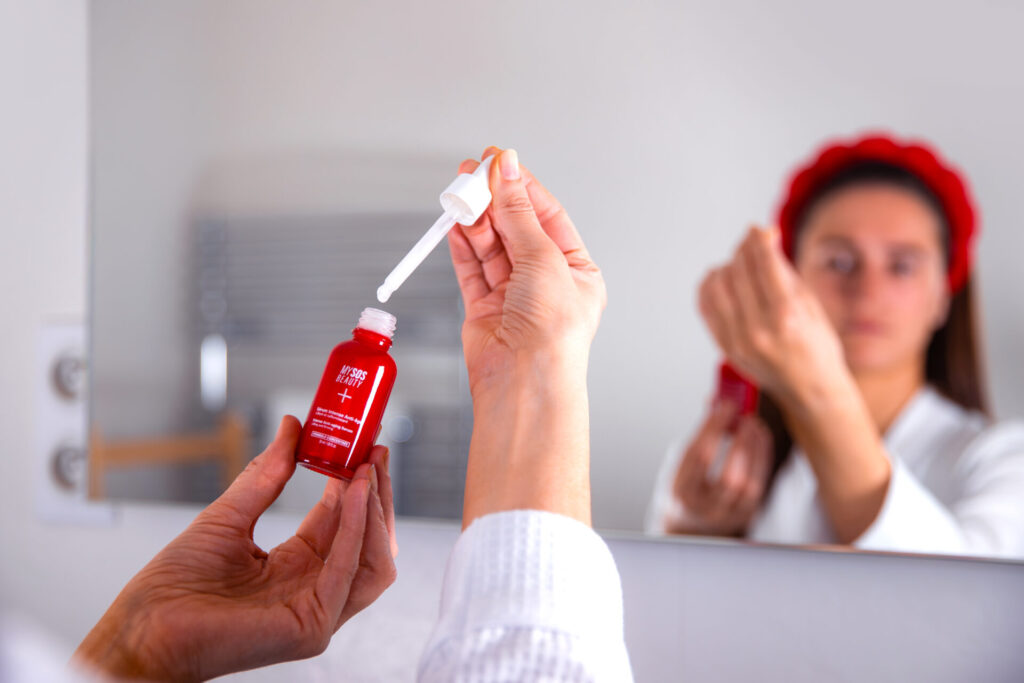
- Apply a few drops or a pea-sized amount to the entire face and neck.
- Step 3: Moisturise
- Follow with your usual moisturiser to keep your skin well hydrated.
- Step 4 (morning only): Sun protection
- Even though bakuchiol is not known to increase sun sensitivity the way retinol does, SPF remains essential to limit sun-related skin ageing.
Who can use Bakuchiol? 🔍
Bakuchiol suits most skin types, and is often chosen for:
- Sensitive skin: a gentler option for an anti-ageing or blemish-fighting routine, after a patch test on a small area.
- Pregnant or breastfeeding women: often presented as an alternative to retinol, to be used only after asking your doctor or midwife for advice.
- Younger skin prone to blemishes: a gentle ingredient, popular with skin prone to oiliness.
What you can expect from Bakuchiol 🌟
Effects vary from one person’s skin to another. With regular use over several weeks, people generally look for:
- A brighter-looking, more even complexion.
- A clearer look, with fewer visible blemishes.
- A smoother-looking skin texture and less visible pores.
- Fine lines and early signs of ageing that gradually look less pronounced.
What to know before you start 🚨
Even though it is known for being gentle, always do a small patch test before your first use to check your tolerance. Also check the concentration stated on the product — it is generally between 0.5% and 2% bakuchiol.
Finally, consistency matters, as with any active skincare ingredient: any effects only become visible after several weeks.
Frequently asked questions
Bakuchiol is a molecule extracted from the seeds of Psoralea corylifolia, a plant native to India. It has traditionally been used in Ayurvedic and Chinese medicine, where it is known for its soothing properties. The beauty world is now taking an interest in it for properties similar to those of retinol, which is why it is often described as a plant-based alternative.
Retinol, or pure vitamin A, is known for its anti-ageing action. It is also known for frequent side effects when you first start using it, such as redness, dryness and flaking. Bakuchiol may help to improve skin elasticity, even out skin tone and balance sebum, while being considered gentler. They are two distinct ingredients, so choose according to how sensitive your skin is.
Bakuchiol is often presented as an alternative to retinol, which isn’t recommended during pregnancy and breastfeeding. However, every situation is different. Before introducing a new active ingredient into your routine during this time, ask your GP or midwife, who can advise you based on your individual circumstances.
Bakuchiol can be used morning and evening, as a serum, cream or facial oil. Start by cleansing your skin with a gentle cleanser. Then apply a few drops or a pea-sized amount to your face and neck, followed by your usual moisturiser. In the morning, always finish with sun protection.
Even though it’s considered gentle, do a small patch test before your first use to check how your skin tolerates it. Look for a product with a concentration generally between 0.5% and 2% bakuchiol. Use it consistently: as with any active skincare ingredient, regular use is what counts.
Bakuchiol: the bottom line ✨
If you are looking for a gentle, plant-derived ingredient to care for blemish-prone skin or early signs of ageing, bakuchiol deserves a place in your bathroom.
It offers a gentler approach to anti-ageing, provided you check your tolerance and use it consistently.
Keen to discover bakuchiol? Start with a patch test on a small area, then give your skin time to get used to it.
Related articles
- High frequency: the treatment that boosts radiance, smooths wrinkles and helps fight blemishes
- Facial massage and gymnastics: a natural complement to your anti-aging routine
- Centella Asiatica: the soothing ingredient revolutionising sensitive skin & blemish routines
Useful categories: Anti-Aging, Blemishes.