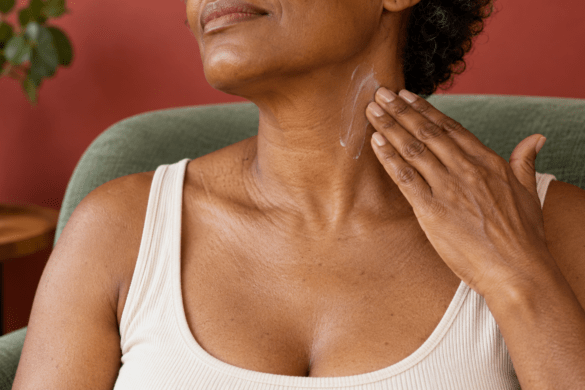
Vitamin-A-based anti-age serums and creams have become a cornerstone of many skincare routines, thanks to their ability to soften fine lines, refine texture and boost radiance. Two of the most common forms are retinol and retinal, each with its own conversion pathway and tolerance profile. In this article we break down how they work, what effects you can expect and the precautions to keep in mind, so you can decide which retinoid best suits your skin type and beauty goals.
Retinol and retinal: two forms of vitamin A, but different effects
- Retinol: a classic, but sometimes irritating
Retinol is the most familiar vitamin A derivative in cosmetics. It’s commonly employed to encourage cell turnover, soften fine lines and enhance skin texture. Yet for those with sensitive skin it can be overly strong, leading to irritation, redness or dryness.
- Retinal: a precursor of retinoic acid
The activation pathway is retinol → retinaldehyde → retinoic acid. Retinal is one step closer to retinoic acid, but this does not guarantee better tolerance or faster results for a particular product.
Why choose retinal in your anti-aging routine?
Retinol and retinal can both cause redness, dryness or irritation, depending on how sensitive your skin is. A retinal formula is not automatically gentler than a retinol formula; tolerance depends above all on the concentration, the formulation and the individual reaction. It is therefore essential to read the instructions carefully and watch how your skin reacts before adopting a product.
Comparison chart: Retinol vs Retinal
| Ingredient | Activation pathway | Tolerance |
|---|---|---|
| Retinol | Retinol → Retinal → Retinoic acid | Irritation is possible. Consider the formula, the concentration, the instructions and your skin’s tolerance. |
| Retinal | Retinal → Retinoic acid | Irritation is also possible. The ingredient’s name alone guarantees neither better tolerance nor a set time frame for results. |
Why choose the My SOS Beauty Anti-Aging Capsule Cream with retinal?
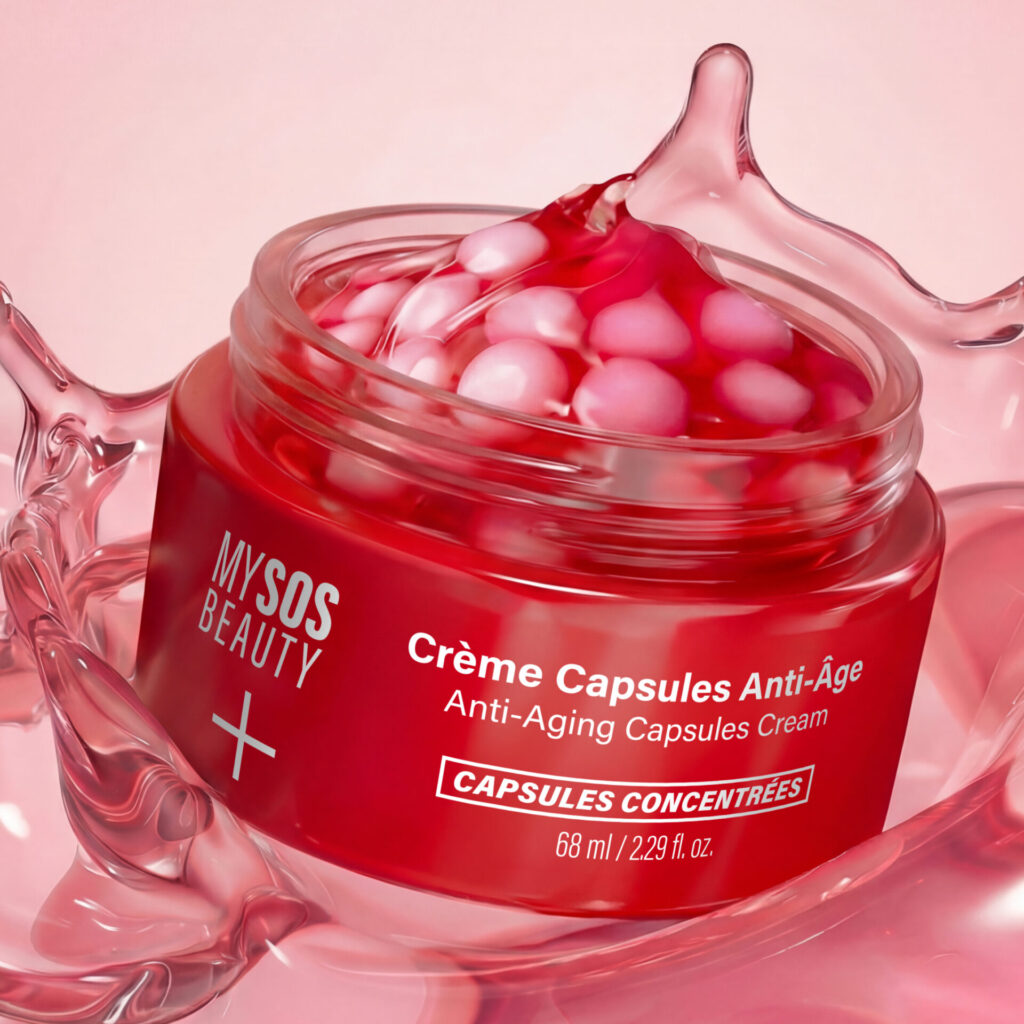
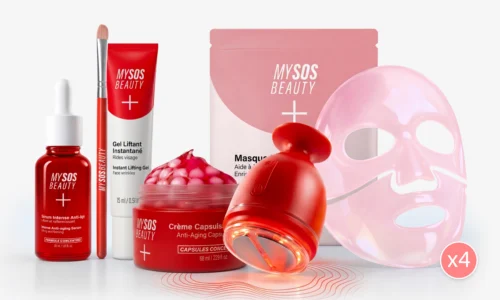
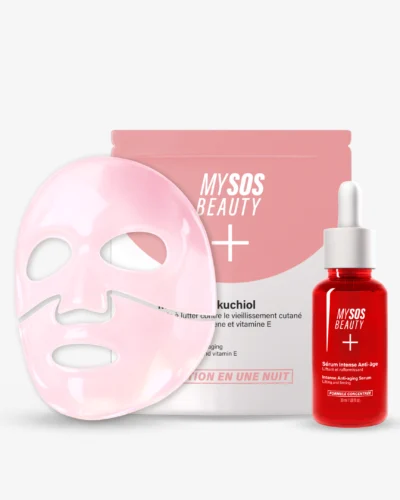
My SOS Beauty Anti-Aging Capsule Cream — This product contains encapsulated retinal. Encapsulation does not guarantee the absence of irritation; follow the product instructions and take your skin's response into account.
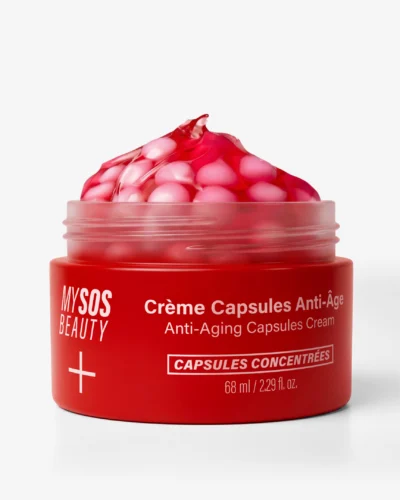
Skin looks smoother
- Concentrated encapsulated actives
- With Ectoine and Retinal
- 88.5% naturally-derived ingredients
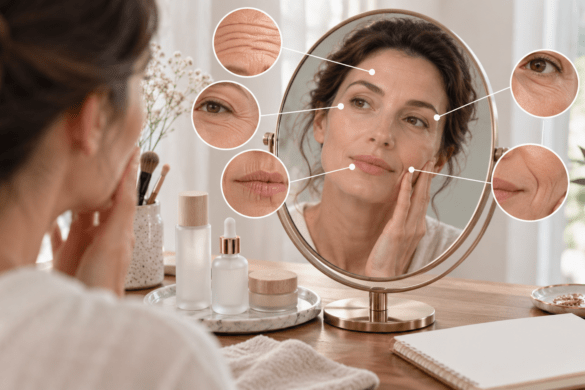
The cream is designed to care for visible signs of ageing, helping to firm the skin, smooth the look of fine lines and refine skin texture. For quantities and frequency of use, follow the product instructions.
The benefits of the Anti-Aging Capsule Cream:
- Helps refine skin texture and soften the look of fine lines
- Helps smooth the features and firm the skin
- Contributes to skin hydration thanks to its encapsulated retinal formula
- Tolerance should be checked individually, including on sensitive skin
How to incorporate the Anti-Aging Capsule Cream into your routine?
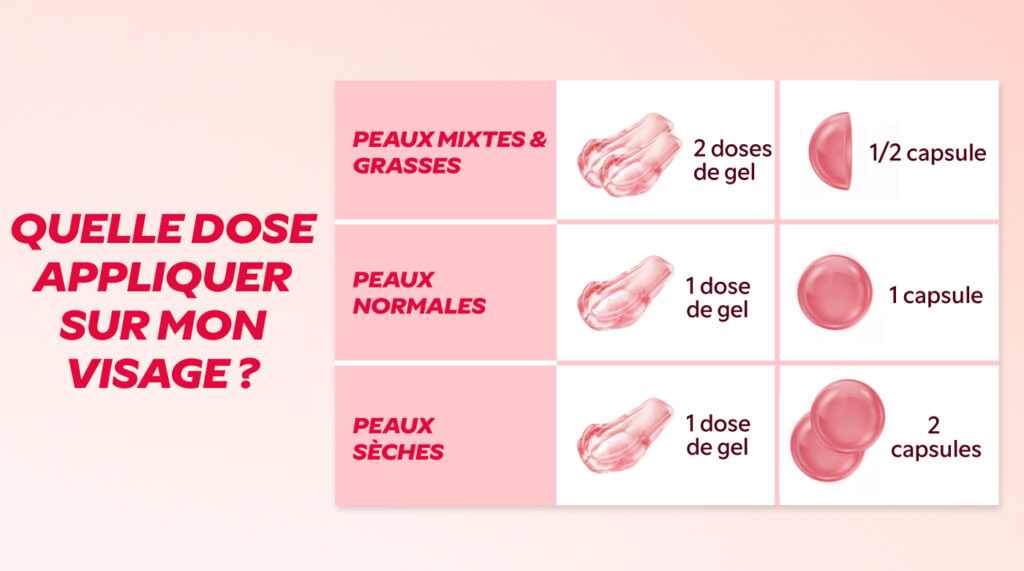
Ideally, apply the Anti-Aging Capsule Cream every evening to clean, dry skin. Simply blend one cream capsule with the recommended amount of gel for your skin type (see the chart below for the exact quantity). Gently massage over the face and neck, avoiding the eye area.
Usage tips:
Frequently asked questions
Retinol and retinal are both forms of vitamin A belonging to the retinoid family. Retinal, also known as retinaldehyde, is a precursor of retinoic acid. The activation pathway runs from retinol to retinaldehyde, then to retinoic acid. Retinal therefore sits one step closer to this active form, but that alone isn’t enough to guarantee better tolerance.
Not automatically. Both retinol and retinal can cause redness, dryness or irritation, depending on how sensitive your skin is. Tolerance depends above all on the concentration, the formulation and your individual reaction. So read the instructions carefully and watch how your skin reacts before adopting a product.
No, encapsulation can’t guarantee the absence of irritation, and no retinoid-based skincare product can promise that either. Check the product information and adapt how you use it to your skin’s tolerance. Sensitive skin calls for particular attention to how it reacts. If irritation persists, seek advice from a healthcare professional.
First, follow the product instructions for quantity and frequency of use. A cream with encapsulated retinal is ideally applied in the evening to clean, dry skin. Gently massage it over the face and neck, avoiding the eye area. Pay close attention to how your skin reacts and adapt your use to your tolerance.
Retinoids come with precautions and contraindications that must be taken into account, particularly during pregnancy. If you’re pregnant, seek advice from a healthcare professional before using a retinol or retinal product. You should also read the leaflet and the product instructions carefully.
In summary: choosing with tolerance in mind
Retinal and retinol both belong to the retinoid family. Their activation pathways differ, but no skincare product can guarantee that it will not cause irritation. Sensitive skin calls for particular attention to how it reacts and to the product instructions.
If irritation persists, seek advice from a healthcare professional. The precautions and contraindications of retinoids must also be taken into account, particularly during pregnancy.
Related articles
- Makeup and acne: how to choose your products without making breakouts worse?
- Why Does the Eye Contour Need Specific Care and How to Choose the Right One?
Useful categories: Anti-Aging.
Sources: the scientific review describes retinoid metabolism; DermNet explains precautions and possible adverse effects. These general references are not a clinical trial of the My SOS Beauty cream. Mukherjee et al. (2006) · DermNet: Topical retinoids.
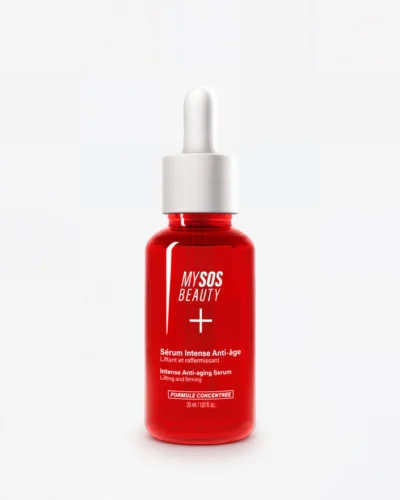
For smoother, firmer skin
- Intense hydration, soft touch
- Gentle alternative to retinol
- 99.4% naturally derived ingredients