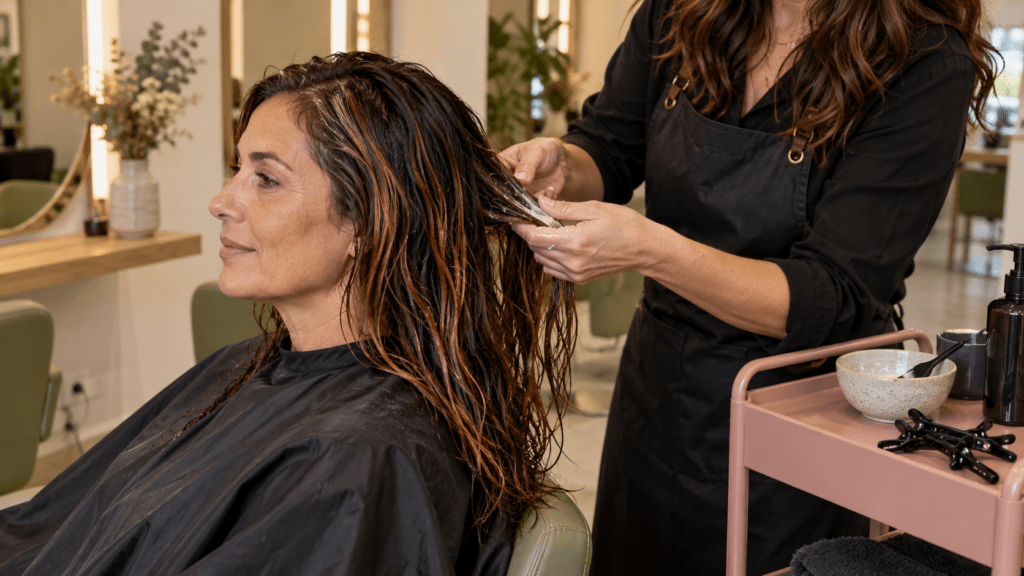
Permanent color, semi-permanent color or bleach: changing your hair color is a brilliant way to express your personality and refresh your look. But every color treatment chemically alters the structure of your hair, and done regularly, it can weaken the hair fiber, leading to dryness, breakage and a loss of shine.
If your colored hair turns frizzy on damp mornings, start shielding it from humid air before reaching for the straightener again.
So does hair dye really damage your hair, and how can you keep the damage to a minimum? Here you’ll find out why coloring weakens the hair fiber and which warning signs to look out for. You’ll also find 5 essential tips for protecting color-treated hair, plus the common mistakes to avoid.
Why does hair coloring damage your hair? 🤔
Whether it’s permanent color, semi-permanent color or bleach, every color treatment chemically alters the structure of your hair:
- Cuticle opening: To allow pigments to penetrate deeply, the color formula lifts the hair’s protective cuticles, leaving the strand temporarily vulnerable.
- Oxidation: Permanent dyes typically contain oxidizing agents (such as hydrogen peroxide) that break down natural pigments to make way for new color molecules. This process can leave hair porous and sensitive.
- Loss of moisture and elasticity: Frequent coloring dries out the hair fiber, stripping away its natural moisture — often resulting in dull, brittle, or split-prone strands.
Signs that your hair has been weakened by coloring ⚠️
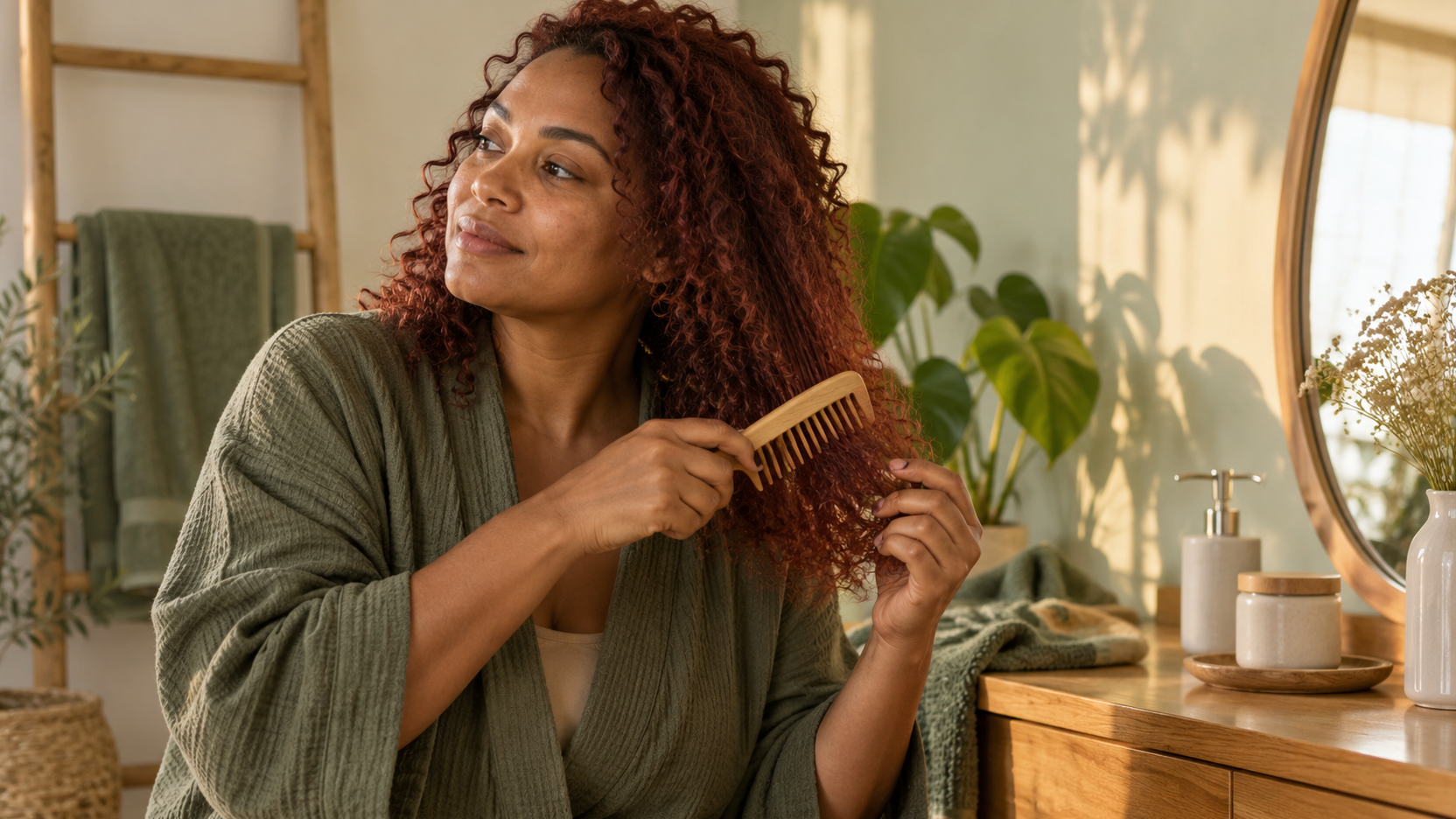
- Dry, rough texture to the touch
- More pronounced frizz
- Noticeable loss of radiance and shine
- Difficulty detangling, hair that tangles easily
- Increased breakage and split ends
How to effectively protect your colored hair? 🔍
Here are 5 essential tips to keep your colored hair healthy while limiting the damage:
1. Space out your color appointments 📅
- Wait at least 6 to 8 weeks between color sessions to give your hair time to recover.
- If roots become visible in between, opt for targeted touch-ups or temporary root cover-up sprays.
2. Use care products specifically designed for colored hair 🌿
- Choose gentle shampoos and conditioners specially formulated for color-treated hair — sulfate-free, paraben-free, and enriched with nourishing ingredients.
- Incorporate a nourishing hair mask into your routine regularly to restore moisture and elasticity.
3. Deeply hydrate and strengthen your hair 💦
- Oil treatments (coconut oil, argan oil, jojoba oil) can contribute to restoring the hair’s moisture balance.
- Use products rich in keratin and plant-based proteins to help strengthen the hair fiber over time and help prevent breakage.
4. Limit heat styling tools — or protect your hair when you use them 🌀
- Reduce the use of blow-dryers, flat irons, and curling wands as much as possible.
- When you do use them, always apply a heat protectant first to shield your hair from thermal damage.
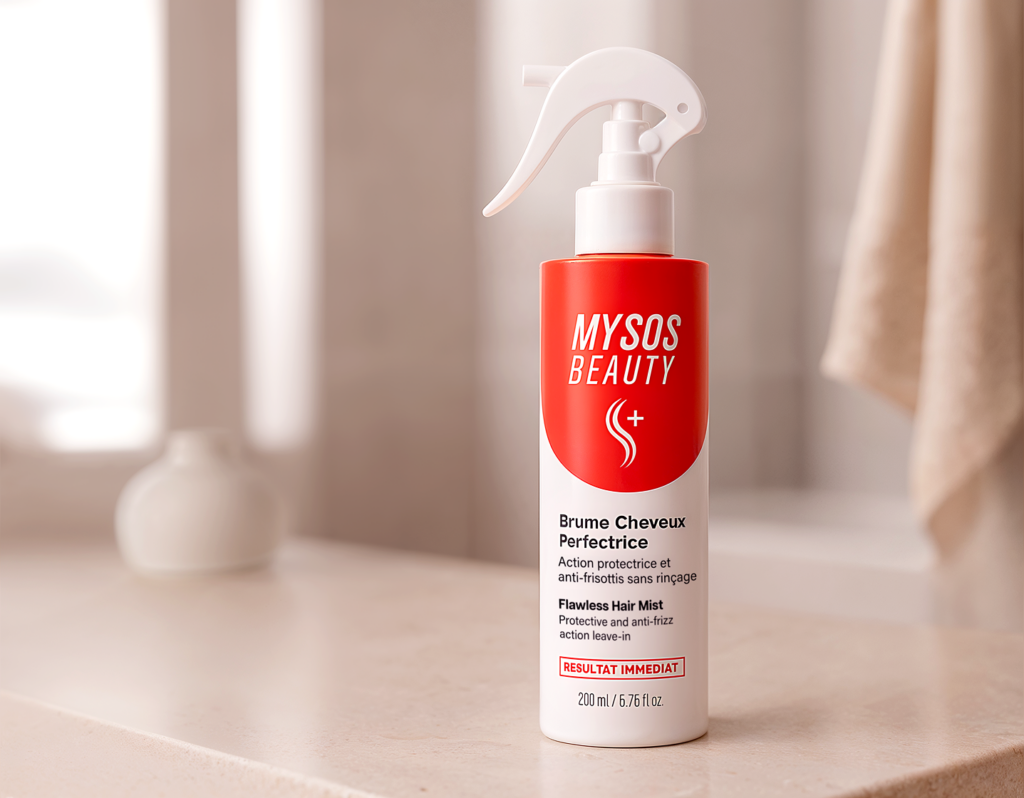
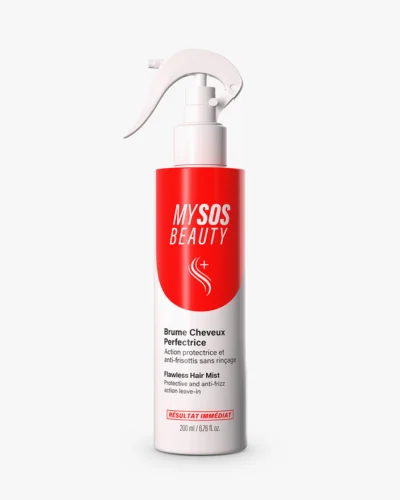
To protect and enhance your hair during blow-drying, the Brume Cheveux Perfectrice by My SOS Beauty is the perfect ally. It delivers a triple action: effective heat protection against styling tools, long-lasting frizz control, and reliable defense against humidity. Hair feels soft with an ultra-glossy finish — no greasiness, no heaviness.
5. Shield your hair from environmental aggressors ☀️
- Sun exposure, chlorinated pool water, and saltwater all accelerate the deterioration of color-treated hair.
- Protect your hair by wearing a hat or scarf, or by applying a dedicated hair sun protection product.
Common mistakes to avoid at all costs 🚫
- Coloring too frequently: excessively weakens the hair, making it more prone to breakage.
- Drastic color changes done too often: multiplies chemical stress on the hair fiber, leaving it highly vulnerable.
- Skipping repair treatments after coloring: neglecting moisturizing and nourishing care can quickly turn a color treatment into a hair nightmare.
Frequently asked questions
To let the pigments penetrate, hair color lifts the hair’s protective cuticle, leaving the strand temporarily vulnerable. Permanent dyes usually contain oxidizing agents such as hydrogen peroxide, which can leave hair porous and sensitive. Frequent coloring also dries out the hair fiber, so hair often ends up dull, brittle and prone to split ends.
Leave at least 6 to 8 weeks between color sessions to give your hair time to recover. If your roots start to show before then, go for targeted touch-ups or a temporary root cover-up spray. That way, you avoid coloring too often, which puts too much strain on your hair.
Look out for hair that feels dry and rough, more noticeable frizz and a clear loss of shine and radiance. Hair that’s hard to detangle or tangles easily, breaks more often or develops split ends is also a sign that the hair fiber has been weakened.
Choose a gentle shampoo and conditioner made for colored hair, sulfate-free, paraben-free and enriched with nourishing ingredients. Add a nourishing hair mask to your routine regularly. Oil treatments with coconut, argan or jojoba oil help restore the hair’s moisture balance, while products rich in keratin and plant proteins help strengthen the hair fiber and prevent breakage.
Sun exposure, chlorinated pool water and salt water all speed up the deterioration of color-treated hair. To protect it, wear a hat or scarf, or apply a dedicated hair sun protection product. It’s also worth cutting back on heat styling and always using a heat protectant.
Conclusion: color away — but with care! ✨
Coloring your hair doesn’t have to come at the expense of its health. With a few simple habits and the right products, you can make the most of your favorite shades while keeping your hair strong, healthy and beautifully shiny in the long run.
Related articles
- Overnight hair care: does repairing your hair while you sleep really work?
- The Importance of pH in Your Hair Care Routine: The Key to Truly Healthy Hair!
- The Importance of a Heat Protectant: Effectively Shield Your Hair from Heat Damage
Useful categories: Hair & Eyes.