Skin glycation is still little known, yet it plays a significant part in how your skin ages. It happens when sugar molecules attach themselves to collagen and elastin, forming compounds known as AGEs (advanced glycation end-products). The process works silently, long before the first visible signs appear.
In this guide, you’ll find out how glycation weakens your skin’s structure, which signs to look out for and which habits speed it up. You’ll also discover practical ways to help slow it down day to day, through your diet, your skincare ingredients and your lifestyle.
What Exactly Is Skin Glycation? 🔍
Glycation is a natural biochemical reaction — accelerated by our modern lifestyles — in which excess sugar molecules (glucose, fructose) bind irreversibly to vital proteins in the dermis, such as collagen and elastin.
This chemical process leads to the formation of Advanced Glycation End-products (AGEs), toxic compounds that progressively accumulate in the skin, causing deep and irreversible cutaneous damage.
Good to know:
AGEs do not come solely from dietary sugar — they also form from proteins and lipids altered during high-temperature cooking (caramelization, browning).
Detailed Mechanisms: How Glycation Destroys Your Skin’s Youth 🔬
1. Irreversible Damage to Collagen and Elastin Fibers
Once glycated, proteins become stiff and thickened and lose some of their normal function. Collagen, which makes up nearly 70% of the dermis, loses its elastic properties and its ability to keep skin firm and bouncy. As a result, skin becomes less resilient, thinner and more vulnerable to external factors.
Key insight:
According to some studies, glycated fibers form rigid molecular clusters known as cross-links, which can significantly hinder their natural renewal.
2. Exponential Increase in Oxidative Stress
Glycation promotes a phenomenon known as carbonyl stress, linked to the excessive formation of sugar-derived reactive species. These highly aggressive compounds destabilize the skin’s oxidative balance, accelerating the appearance of deep wrinkles, pigmentation spots, and a rapid loss of radiance.
Further information:
Carbonyl stress is considered one of the most aggressive forms of oxidative stress, causing greater damage than conventional free radicals.
3. Direct Impairment of Skin Support Cells (Fibroblasts)
Glycation also disrupts fibroblasts — the cells your skin relies on to renew its collagen. Once damaged by AGEs, they become far less active, which greatly reduces your skin’s ability to repair itself.
What Are the Main Signs of Early Skin Glycation?
Visually identifying skin prone to glycation is possible through several characteristic signs:
- Waxy, yellowish appearance: nicknamed the glycemic complexion, this discoloration results from the accumulation of AGEs in the skin.
- Stiffening and vertical wrinkles on the cheeks: these characteristic wrinkles are caused by the accelerated loss of elasticity in the deep dermis.
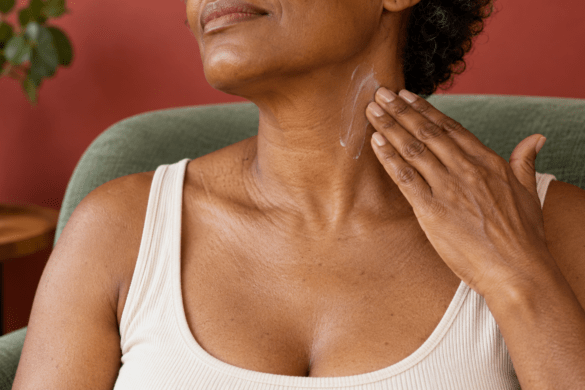
- Premature loss of elasticity and sagging: particularly in delicate areas (eye contour, neck, lower cheeks).
- Uneven skin texture: thicker skin, a slightly rough appearance, or an overall loss of radiance.
What Factors Particularly Accelerate Glycation?
While glycation is a natural process, certain habits and behaviors can significantly amplify its intensity:
- Frequent consumption of foods with a high glycemic index (processed foods, fast-acting sugars, pastries, sodas).
- Regular use of high-temperature cooking methods: barbecue, grilling, frying.
- Chronic stress, releasing cortisol and inflammatory cytokines that indirectly promote glycation.
- Lack of restorative sleep, which disrupts hormonal and metabolic balance, leaving skin more vulnerable.
Advanced Solutions to Effectively Counter Skin Glycation 🎯
1. A Strategic Dietary Approach 🥑
- Prioritize foods rich in anti-glycation molecules such as carnosine (lean poultry, white fish) and resveratrol (grapes, red wine in very small amounts, berries).
- Incorporate sources of antioxidants into your diet, such as green tea, polyphenols (pomegranate, blueberries, raspberries), and foods often associated with an anti-inflammatory diet (turmeric, ginger).
Key insight:
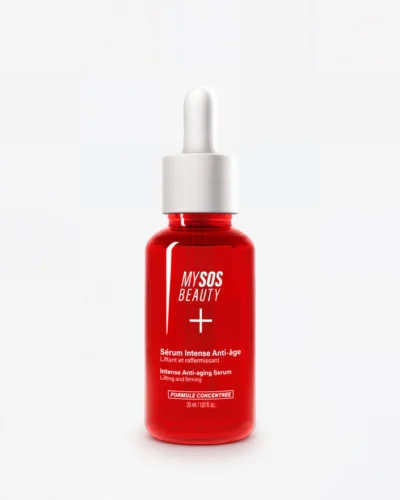
For smoother, firmer skin
- Intense hydration, soft touch
- Gentle alternative to retinol
- 99.4% naturally derived ingredients
Some studies suggest that regular green tea consumption may help lower circulating AGE levels.
2. Carefully Selected Specialized Skincare 🧴
Cosmetic actives capable of slowing glycation are now better identified:
- Carnosine: an anti-glycation dipeptide that may help limit AGE formation in the skin.
- Niacinamide (Vitamin B3): helps protect the skin from carbonyl stress and supports the skin’s barrier function.
- Liposoluble Vitamin C: helps protect skin proteins from rapid degradation.
Useful information:
Carnosine, little known to the general public, may help limit glycation after several weeks of application, according to some studies.
3. Targeted Lifestyle Habits and Complementary Techniques 🧘🏻♀️
- Significantly limit your exposure to urban pollution, another factor that amplifies glycation and oxidative stress.
- Adopt recognized techniques to help manage stress: yoga, mindfulness meditation, cardiac coherence breathing.
- Prioritize regular, restorative sleep: improve your bedtime routine; supplements such as magnesium may be part of a routine focused on the quality of deep sleep.
The My SOS Beauty Approach: Targeted Solutions to Visibly Reduce Signs of Aging 🌟
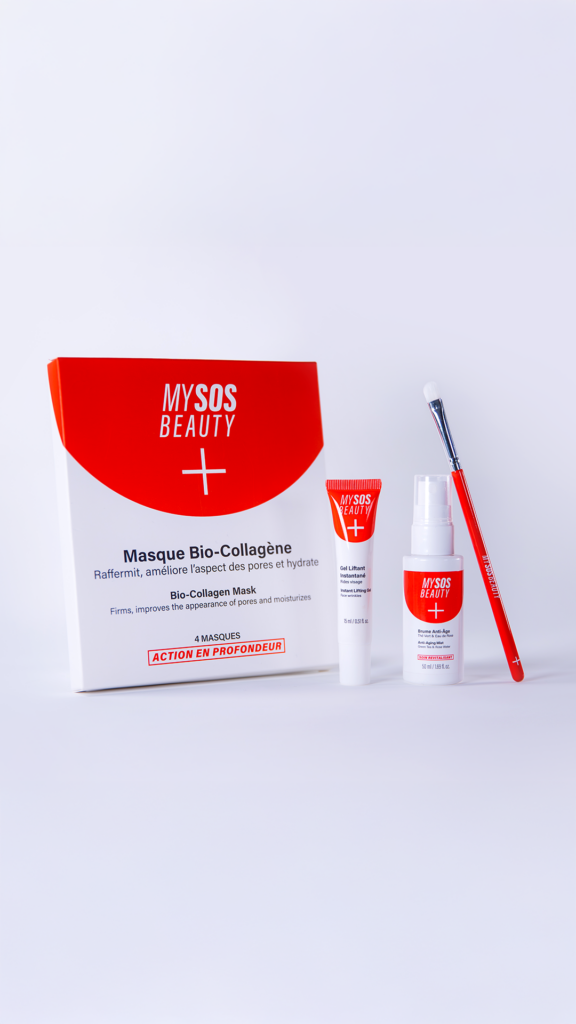
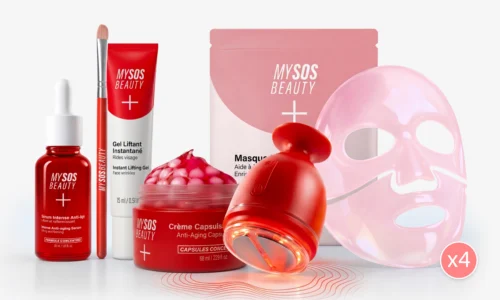
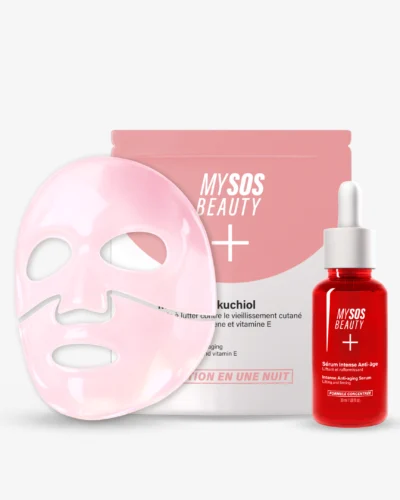
At My SOS Beauty, we have developed a complete anti-aging routine enriched with actives recognized for their benefits on visible signs of aging. Among these ingredients, you will find low-molecular-weight collagen, which penetrates deeply to support skin structure, as well as hyaluronic acid, renowned for its exceptional ability to hydrate, plump, and smooth the skin’s surface.
Explore all our anti-aging solutions on My SOS Beauty to preserve your skin’s elasticity, radiance, and youthfulness over the long term.
Frequently asked questions
AGEs, or advanced glycation end-products, form when excess sugars such as glucose or fructose bind to proteins in the dermis. They also come from food. They’re created during high-temperature cooking, which alters proteins and fats. Caramelisation and browning are two examples.
There are several signs to watch for. Your complexion may look waxy and slightly yellowish, and vertical lines can appear on the cheeks. Your skin may also lose elasticity and start to sag, especially around the eyes, on the neck and along the lower cheeks. Its texture can become uneven too: thicker, slightly rough or less radiant.
Go for foods rich in carnosine, such as lean poultry and white fish. Resveratrol is also worth including, and you’ll find it in grapes and berries. Add green tea, polyphenol-rich fruit (pomegranate, blueberries, raspberries), turmeric and ginger. At the same time, cut back on fast-acting sugars, processed foods and barbecued, grilled or fried food.
You could look for carnosine, niacinamide (vitamin B3) and oil-soluble vitamin C. Carnosine is a dipeptide that may help limit the formation of AGEs in the skin. Niacinamide helps protect the skin from carbonyl stress and supports its barrier function. Oil-soluble vitamin C helps protect skin proteins from rapid breakdown.
Yes, indirectly. Chronic stress releases cortisol and inflammatory cytokines, which can encourage glycation. Lack of restorative sleep can disrupt hormonal and metabolic balance, leaving skin more vulnerable. Yoga, mindfulness meditation and cardiac coherence breathing can help you manage stress, while a regular bedtime routine may help improve your sleep.
Conclusion: A New Dimension of Skincare to Embrace Right Now ✨
Skin glycation is a major and often underestimated cause of premature ageing. Once you understand how it works and which steps can help slow it down, you’re far better placed to protect your skin and help it keep its natural radiance for longer. Tackling glycation means caring for your skin at a deeper level, with the long term in mind. Start building the right habits today to look after your skin — from the inside out.
Related articles
- High frequency: the treatment that boosts radiance, smooths wrinkles and helps fight blemishes
- Premature aging: the little-known bad habits that speed up the appearance of wrinkles
- The 5 Anti-Aging Mistakes 90% of Women Make Without Knowing It
Useful categories: Anti-Aging.
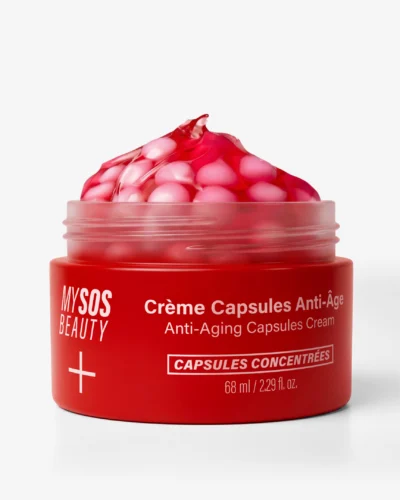
Skin looks smoother
- Concentrated encapsulated actives
- With Ectoine and Retinal
- 88.5% naturally-derived ingredients