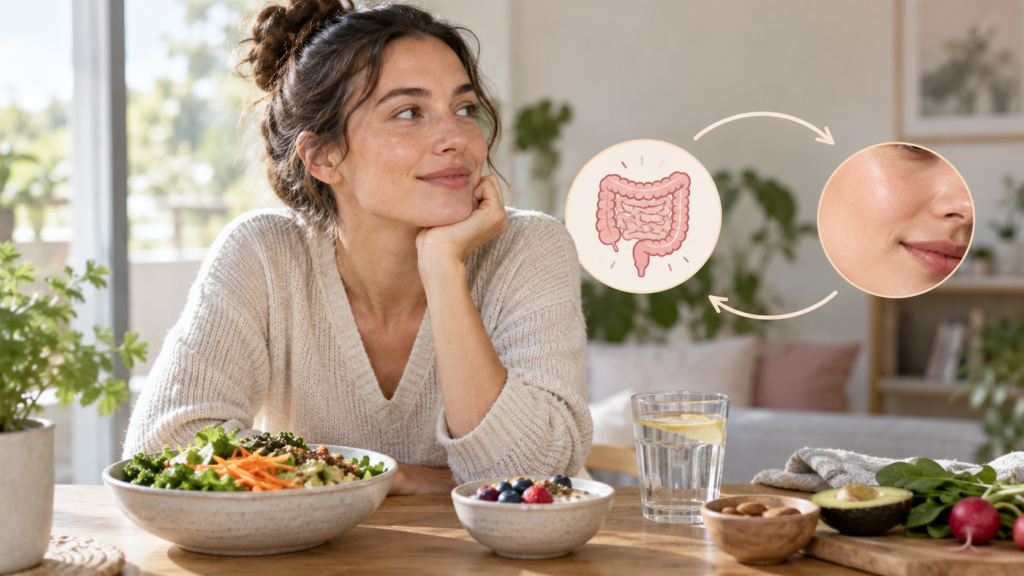
Your gut microbiome does more than aid digestion – it can shape how your skin looks and feels. In this article we’ll unpack the gut-skin axis, highlight the latest scientific findings, and share practical steps you can take each day to support your digestion and, in turn, help soften the signs of skin ageing. From food choices and supplements to stress-busting habits, discover how looking after your gut can help keep your complexion radiant.
1. Understanding the gut-skin connection: an invisible yet powerful link
What exactly is the gut-skin axis?
The gut-skin axis refers to the constant communication between your digestive system and your skin, mediated by your gut microbiome — a complex ecosystem made up of billions of micro-organisms (bacteria, viruses, fungi). When these bacteria are well-balanced, they can help maintain healthy skin; conversely, an intestinal imbalance (or dysbiosis) may contribute to chronic inflammation that could influence skin aging.
How does an intestinal imbalance speed up aging?
A disrupted gut flora can lead to what is known as a “leaky gut” (intestinal permeability). In practical terms, the gut lining may become more permeable, which could fuel low-grade inflammation throughout the body — including the skin. This inflammation may be associated with:
- The breakdown of collagen and elastin, both essential to skin firmness.
- The appearance of wrinkles and fine lines caused by disrupted cell renewal.
- Hyperpigmentation and a dull complexion due to increased free radical activity.
2. What does the latest scientific research say about the gut-skin axis?
Gut microbiome and chronic inflammation
Recent research suggests that certain gut bacteria may play a role in regulating skin inflammation. Probiotics containing specific strains such as Lactobacillus rhamnosus or Bifidobacterium longum have been examined in studies that explore inflammatory markers associated with skin aging.
Prebiotics: a promising new avenue
Prebiotics — which nourish the beneficial gut bacteria — are also at the heart of emerging research. A diet rich in prebiotic fibres, such as inulin found in leeks and garlic, or fructo-oligosaccharides (FOS) present in onions and asparagus, may be associated with increased bacterial diversity, a strengthened intestinal barrier, and reduced inflammatory skin reactions.
Personalising anti-aging approaches through the microbiome
Today, gut microbiome analyses make it possible to precisely identify individual imbalances. This information opens the door to personalised strategies for slowing skin aging, through tailored dietary recommendations, targeted probiotic supplements, and skincare routines adapted to each person’s unique profile.
3. How to concretely improve your gut-skin axis to slow aging
Here are several strategies to optimise your gut health — and in turn, preserve your skin’s youthfulness:
A “skin-friendly” diet
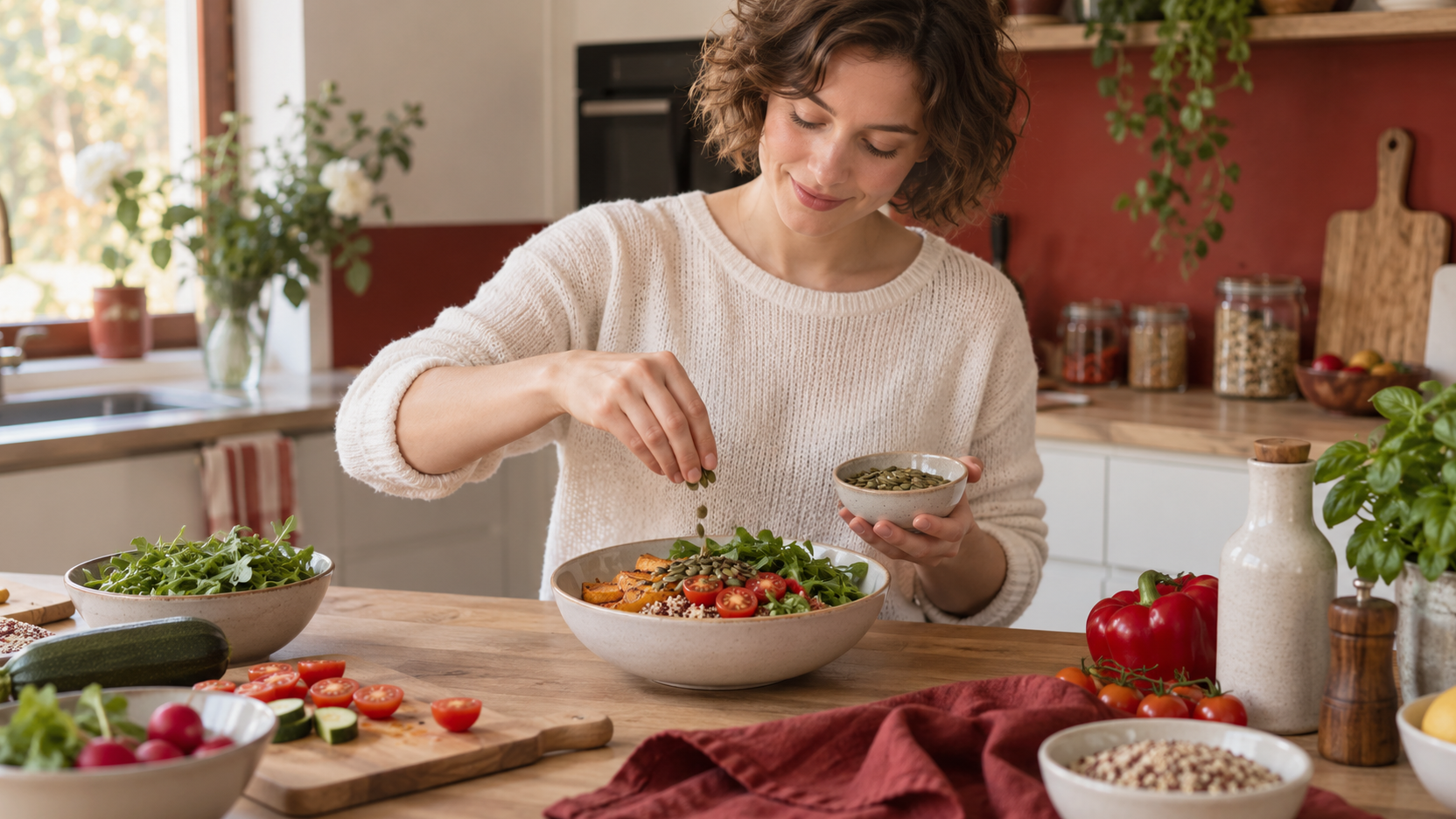
- Eat foods rich in prebiotics: garlic, leeks, asparagus, slightly unripe bananas, onions, chicory root.
- Favour foods naturally rich in probiotics: plain fermented yoghurt, kefir, kombucha, sauerkraut, kimchi.
- Prioritise omega-3s and natural antioxidants(salmon, sardines, walnuts, flaxseeds, blueberries, spinach), which have their place in a balanced diet.
Use targeted dietary supplements
- Tailored probiotic supplements: Choose supplements containing well-studied strains (Lactobacillus acidophilus, Lactobacillus rhamnosus, Bifidobacterium bifidum, etc.) and ask your doctor or pharmacist for advice.
- Hydrolysed collagen supplements: These support not only the skin, but also the intestinal lining, helping to maintain an effective barrier.
Manage stress: a cornerstone of gut and skin health

Chronic stress may affect your gut microbiome, potentially increasing inflammation and influencing skin aging. Techniques such as meditation, cardiac coherence breathing, or yoga can help you manage stress, which may also benefit your gut balance and the radiance of your complexion.
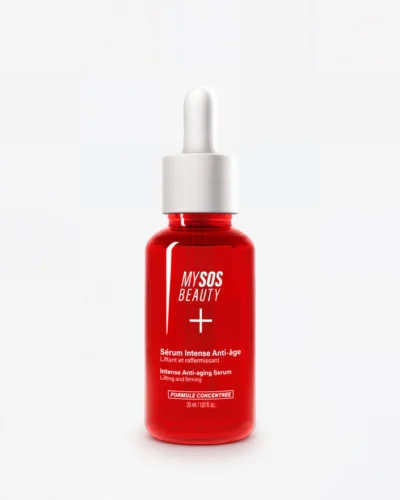
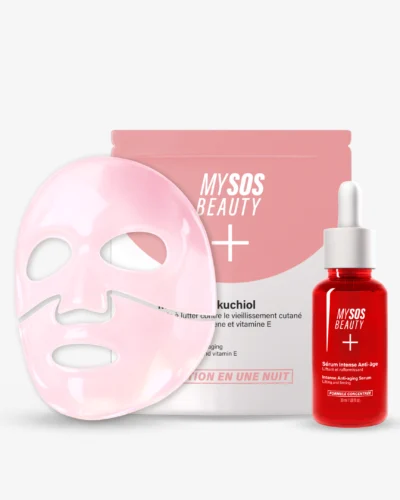
For smoother, firmer skin
- Intense hydration, soft touch
- Gentle alternative to retinol
- 99.4% naturally derived ingredients
Prioritise restorative sleep

Sleep can influence the gut microbiome. Insufficient or poor-quality sleep may affect intestinal bacterial diversity, which could contribute to increased inflammation and potentially influence skin aging. Aim for 7 to 8 hours of restorative sleep each night.
4. In practice: integrating the gut-skin axis into your daily routine
An integrated approach means combining these strategies into a consistent daily routine. For example:
- At breakfast, incorporate natural probiotics (kefir or yoghurt) paired with prebiotic fibres (slightly unripe banana, chia seeds).
- Throughout the day, eat plenty of green vegetables and oily fish, and limit refined sugars to keep your microbiome in balance.
- Build stress-reducing activities (yoga, meditation) into your daily schedule to support gut health.
- Consider complementing your routine with targeted supplements based on your personal needs (collagen, probiotics, prebiotics).
Conclusion: the secret to youthful skin starts in your gut! ✨
Skin aging is not solely determined by external factors (sun exposure, pollution) — it is also deeply connected to an inner balance rooted in our gut. Looking after your gut microbiome with balanced nutrition, stress-reduction techniques and appropriate supplements can help keep your skin looking younger and slow down the ageing process.
To go further, explore on My SOS Beauty our anti-aging and blemish-correcting skincare range — the perfect complement to your inner wellness journey.
Frequently asked questions
It refers to the communication between your digestive system and your skin, thought to be mediated by your gut microbiome – an ecosystem of billions of micro-organisms (bacteria, viruses, fungi). This link is still being studied. A well-balanced microbiome is associated with healthy skin; conversely, an imbalance, known as dysbiosis, could contribute to low-grade inflammation that may play a part in skin ageing.
Focus on foods rich in prebiotics, such as garlic, leeks, asparagus, onions, slightly unripe bananas or chicory root. Fermented foods provide natural probiotics: plain yoghurt, kefir, kombucha, sauerkraut and kimchi. Omega-3s and antioxidants also have their place in a balanced diet, for example salmon, sardines, walnuts, flaxseeds, blueberries and spinach. It’s also worth limiting refined sugars.
Prebiotics are fibres that feed the beneficial bacteria in your gut – for example inulin in garlic and leeks, or fructo-oligosaccharides (FOS) in onions and asparagus. Probiotics are micro-organisms found in fermented foods and in some supplements. Strains such as Lactobacillus rhamnosus and Bifidobacterium longum have been the subject of promising studies. Before taking any supplement, ask your doctor or pharmacist for advice.
This is one avenue being explored. Chronic stress can disrupt your gut microbiome, and insufficient or poor-quality sleep is associated with lower bacterial diversity. These imbalances could encourage inflammation that has knock-on effects on your skin. Meditation, cardiac coherence breathing or yoga can help you manage stress, and it’s worth aiming for 7 to 8 hours of restorative sleep each night.
If you have digestive problems or a skin concern that won’t go away, see your GP or a dermatologist. Only a health professional can make a diagnosis and point you in the right direction. Advice on diet, stress and sleep supports a balanced lifestyle, but it is no substitute for medical advice. Before taking a food supplement, also check with your doctor or pharmacist.
Related articles
- Digital Detox and Skin Health: How Screen Time Affects Skin Aging
- The 5 Anti-Aging Mistakes 90% of Women Make Without Knowing It
- High frequency: the treatment that boosts radiance, smooths wrinkles and helps fight blemishes
Useful categories: Anti-Aging.
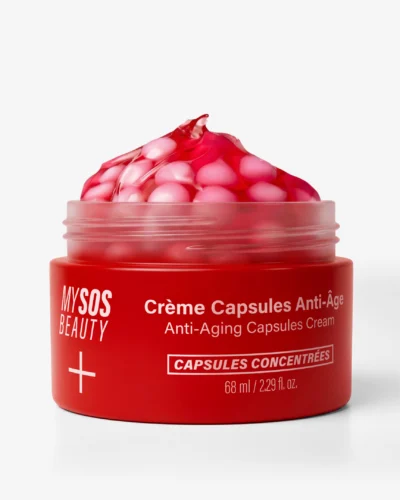
Skin looks smoother
- Concentrated encapsulated actives
- With Ectoine and Retinal
- 88.5% naturally-derived ingredients