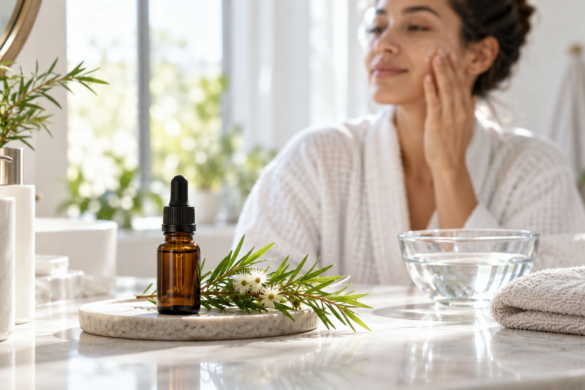
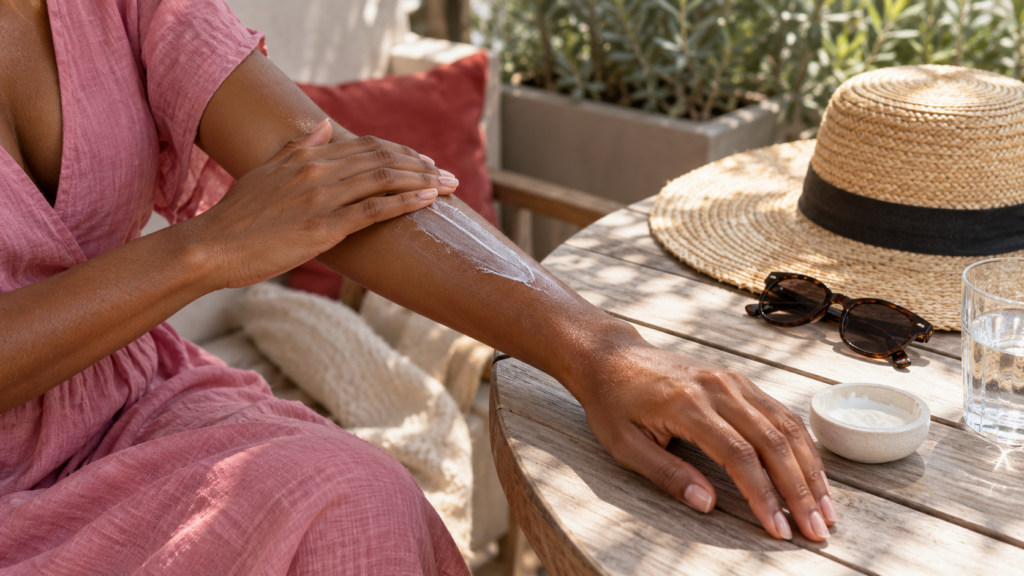
As summer approaches, many of us dream of a golden, luminous, perfectly bronzed complexion. However, exposing your skin to the sun without proper preparation can cause significant damage: premature ageing, deep wrinkles, pigmentation spots, dehydration, and even more serious lesions. Preparing your skin in advance — through diet, targeted skincare, and smart habits — is essential for an even, long-lasting tan.
Below is a comprehensive guide to preparing your skin for safe sun exposure.
Why is the sun a threat to your skin? 🌞
The sun emits two main types of ultraviolet radiation:
- UVA rays (95% of UV radiation):
- They penetrate deep into the inner layers of the skin (dermis).
- They damage collagen and elastin fibres, leading to wrinkles, loss of firmness, and pigmentation spots.
- UVB rays (5% of UV radiation):
- They remain on the surface (epidermis), causing redness, sunburn, and immediate burns.
- Over time, they increase the risk of skin cancers (carcinomas, melanoma).
Even on cloudy days, these rays can cause deep damage to the skin.
Diet: your number one ally for preparing your skin for the sun 🥕
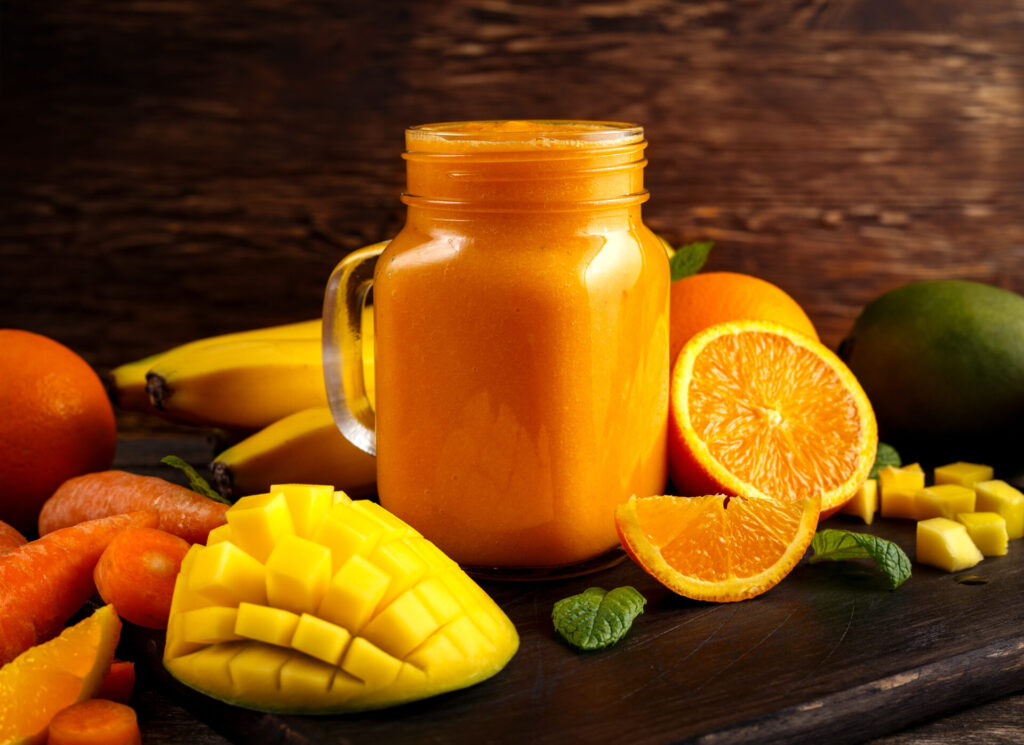
Diet can play a role in supporting the skin against the sun and encouraging an even, radiant tan.
1. Beta-carotene and vitamin A: naturally boosting melanin
Beta-carotene is often associated with the production of melanin, the natural pigment that colours the skin and offers mild UV protection.
Recommended foods:
- Carrot, sweet potato, pumpkin, mango, apricot, melon
- Spinach, lamb’s lettuce, kale, red peppers
Tip: Incorporate them into your daily meals — ideally from spring onwards — for optimal results from your very first sun exposure.
2. Vitamin C and vitamin E: anti-ageing shields against UV rays
These antioxidant vitamins may contribute to protecting the skin from free radicals generated by sun exposure, a factor associated with the early appearance of wrinkles and pigmentation spots.
Recommended foods:
- Vitamin C: citrus fruits, kiwis, strawberries, papaya, fresh parsley, peppers.
- Vitamin E: almonds, hazelnuts, olive oil, avocado, sunflower seeds.
Tip: Combine them daily for optimal protection.
3. Omega-3s: may help strengthen the skin barrier
These essential fatty acids help limit dryness and keep the skin supple, but they do not replace sun protection.
Recommended foods:
- Oily fish: salmon, sardines, mackerel
- Vegetable oils: flaxseed, rapeseed
- Seeds: chia, hemp
4. Zinc and selenium: antioxidant allies
These trace elements contribute to the protection of cells from oxidative stress.
Recommended foods:
- Seafood, shellfish, fish
- Brazil nuts, eggs, legumes (lentils, kidney beans)
5. Internal hydration: an absolute must
Drink at least 1.5 to 2 litres of water daily to keep your skin well hydrated, supple, and resilient in the sun.
Which skincare steps should you adopt before sun exposure? 🌿

1. Regular, gentle exfoliation
- Exfoliate lightly once or twice a week to remove dead skin cells and achieve a more even tan.
- Avoid harsh exfoliation right before sun exposure to preserve your skin barrier.
2. Intensive daily moisturising
Moisturise your skin daily with products enriched with hydrating and soothing actives:
- Hyaluronic acid
- Aloe vera
- Vegetable glycerin
Well-hydrated skin is more resilient against sun damage and holds a tan for longer.
3. Use antioxidant serums
Incorporate vitamin C-rich serums into your daily routine (ideally in the morning) as they may help strengthen the skin against free radicals generated by UV rays.
Common mistakes to avoid before and during sun exposure ⚠️
- Exposing yourself too suddenly to the sun: build up your exposure gradually to avoid burns, which increase the risk of skin cancer and accelerate ageing.
- Not reapplying your sunscreen: apply it every two hours and after every swim.
- Thinking a tan naturally protects your skin: even when tanned, your skin sustains deep damage if you don’t protect it with an appropriate SPF.
- Using an expired or low-factor sunscreen (below SPF 30): a major risk of burns and skin damage.
What are the effects of inadequate sun protection on your skin? 🚨
Insufficient sun protection can have visible consequences both immediately and in the long term:
- Short-term:
- Painful sunburn and peeling skin
- Redness, inflammation, irritation, allergic reactions
- Medium and long-term:
- Premature skin ageing (early wrinkles, brown spots, loss of elasticity)
- Persistent hyperpigmentation (spots that are difficult to treat)
- Increased risk of skin cancers (carcinomas, melanoma)
Taking care of your skin every day with My SOS Beauty 🌟
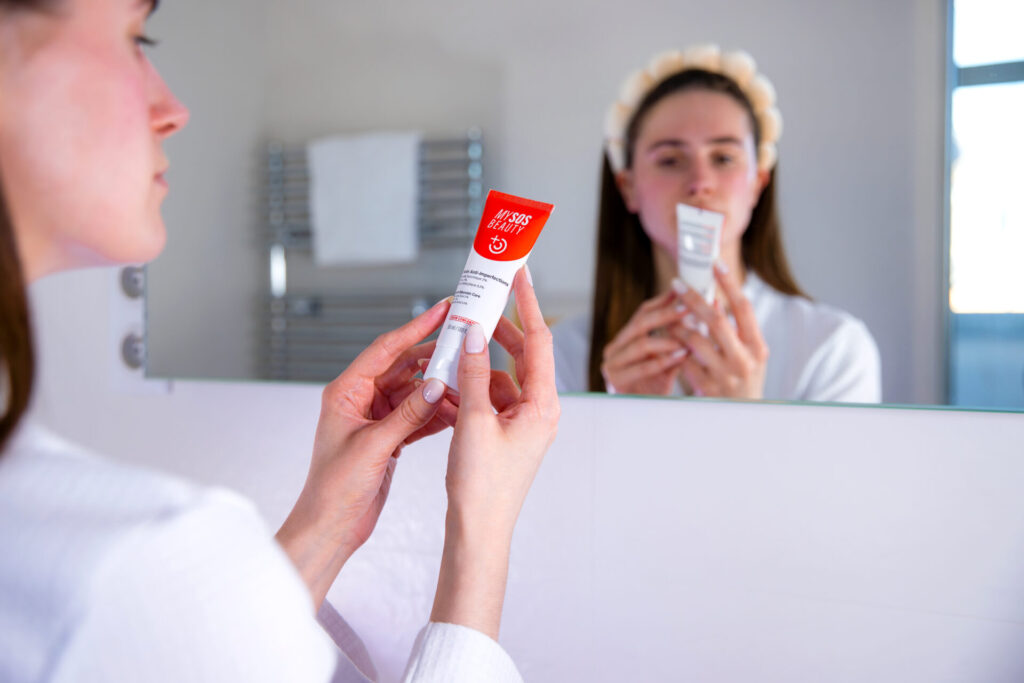
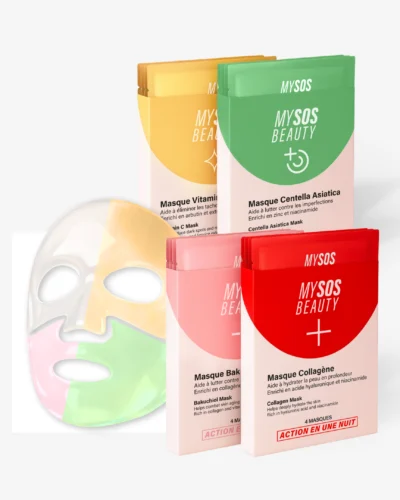
While preparing your skin for the sun is essential, caring for your skin doesn’t stop there. At My SOS Beauty, we have developed anti-blemish and anti-ageing ranges specifically designed to help address a variety of skin concerns, all year round.
To discover all our solutions and give your skin the care it deserves, visit our website My SOS Beauty.
Frequently asked questions
A balanced diet is part of a healthy lifestyle for your skin. Vitamins C and E, zinc and selenium contribute to the protection of cells from oxidative stress. Focus on colourful, beta-carotene-rich vegetables, fruit, oily fish and nuts, and drink enough water. Diet never replaces sun protection: apply a suitable sunscreen every time you are in the sun.
UVA rays make up the bulk of UV radiation and penetrate deep into the dermis, where they can degrade collagen and elastin, leading to wrinkles and pigment spots. UVB rays stay nearer the surface in the epidermis, causing redness, sunburn and immediate burns. Knowing both types helps you choose the right protection, as each contributes to different forms of skin damage and premature ageing.
Steer clear of sudden, prolonged sun exposure without protection, re-applying sunscreen infrequently, using expired or low-SPF products, and performing harsh exfoliation right before going outdoors. A tan does not provide adequate protection, so maintaining appropriate sunscreen use at all times is essential.
In conclusion: well-prepared skin is protected skin ✨
Properly preparing your skin for the sun requires a holistic approach: a balanced diet, intensive hydration, targeted skincare, and gradual exposure. Following these recommendations can help you attain a radiant, sun-kissed tone while minimising the risk of UV-induced skin damage.
Never forget that beautiful skin is, above all, healthy skin. Take care of it so you can fully enjoy the sun’s benefits without suffering the consequences! 🌸
Related articles
- The Importance of Daily Sun Protection: Essential for Everyone, at Every Age
- The Skin Microbiome: Why Is It Essential to Skin Health?
- The Importance of Hydration: Tips for Plump, Radiant Skin
 -44%LIMITED OFFER