You might have spotted tiny, rough bumps on your own skin – or on a family member’s – that tend to appear on the upper arms, thighs, buttocks or even the face. These little raised spots are a sign of keratosis pilaris, a harmless condition that many people experience but few fully understand.
In this guide we’ll look at how to recognise the signs, what typically triggers the condition and, most importantly, which gentle skincare steps can help smooth the texture over time.
What Is Keratosis Pilaris? 🔍
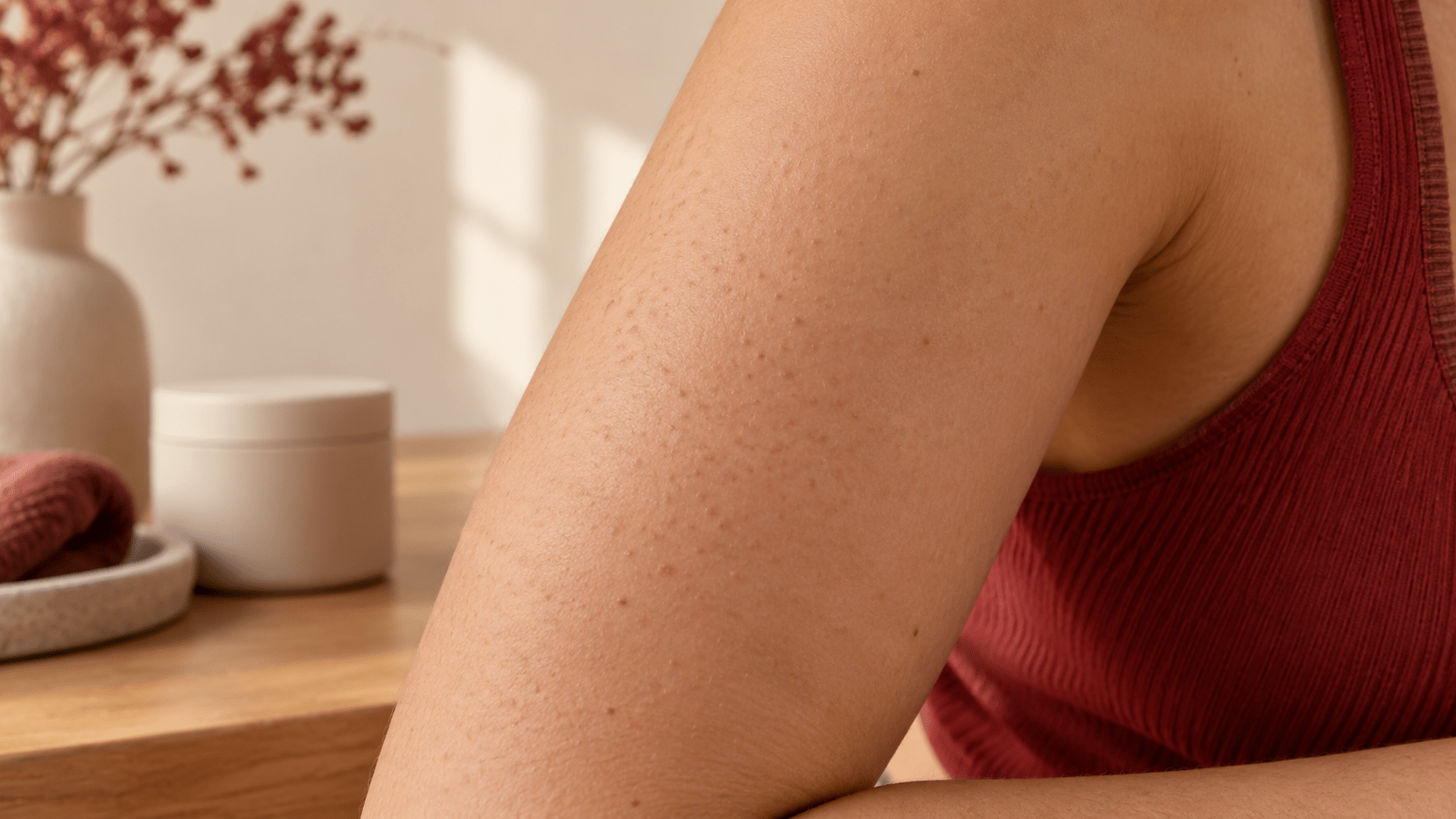
Keratosis pilaris (also known as follicular keratosis) is a benign skin condition characterized by small red, white, or flesh-colored bumps that appear primarily around hair follicles. It is sometimes nicknamed “chicken skin” or “rough skin.”
It typically presents as:
- Small, rough bumps, slightly raised to the touch.
- A grainy or uneven skin texture.
- Sometimes accompanied by associated redness or mild itching.
- Most commonly found on the outer upper arms, thighs, and buttocks, and sometimes on the face (particularly in children).
This condition affects approximately 40 to 50% of adults and up to 70 to 80% of teenagers, and is more prevalent in women than in men.
What Are the Real Causes of Keratosis Pilaris? 💡
Keratosis pilaris results from an excess of keratin (a protein naturally found in the skin, hair, and nails) that clogs hair follicles and causes these small bumps to form. However, several factors can contribute to this build-up:
1. Genetic and family history: Keratosis pilaris is very often hereditary. If one of your parents has it, you are more likely to develop it too.
2. Dry and atopic skin: Very dry, sensitive, or atopic skin (prone to eczema) is more susceptible to this condition, as insufficient hydration worsens keratin build-up.
3. Climate conditions: Winter and dry climates tend to trigger or worsen symptoms, as the skin becomes more easily dehydrated and irritated.
4. Hormonal imbalances: Puberty, pregnancy, or other hormonal fluctuations can influence excessive skin keratinization.
What Should You Absolutely Avoid? ⚠️
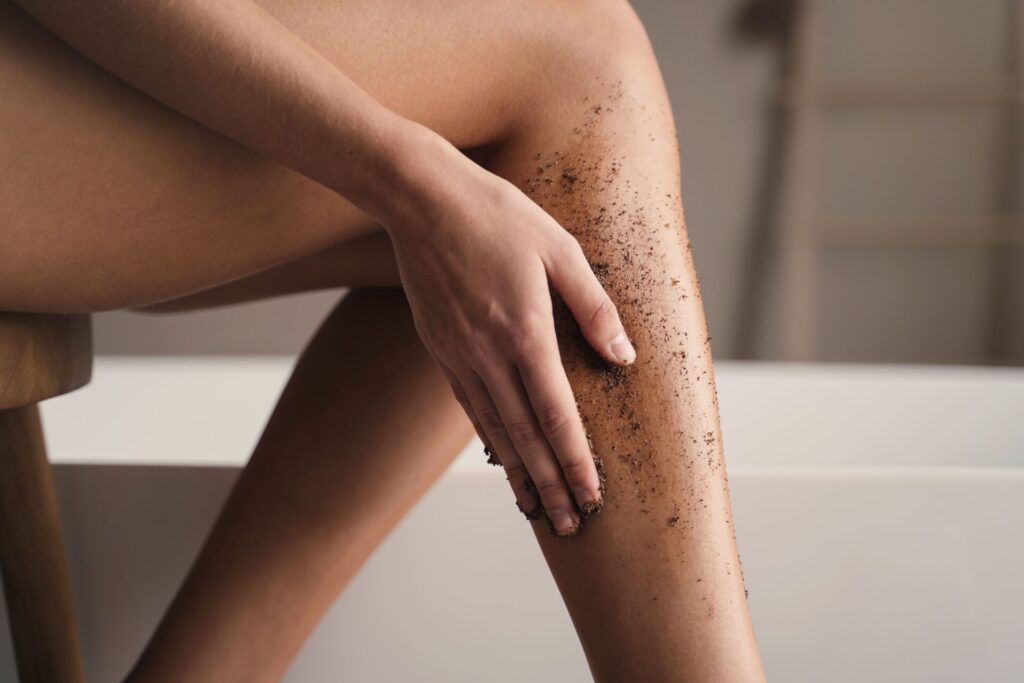
When dealing with this condition, certain habits can make keratosis pilaris worse:
- Avoid aggressive mechanical scrubbing: overly abrasive exfoliants increase redness and inflammation.
- Avoid drying and irritating soaps: they further weaken the skin barrier and worsen symptoms.
- Do not squeeze or scratch: this can lead to scarring and lasting pigmentation marks.
What Are the Most Effective Solutions for Keratosis Pilaris? ✅
While keratosis pilaris generally cannot be completely cured, several effective solutions exist to visibly reduce its symptoms and significantly improve the skin’s appearance.
1. Gentle Chemical Exfoliation (AHA & BHA) 🍋
- Chemical exfoliants such as lactic acid (AHA) or salicylic acid (BHA) are highly effective.
- They gently dissolve the dead cells accumulated in pores without aggressing the skin.
- Opt for moderate concentrations (5 to 10%) to avoid any irritation.
2. Intensive Daily Hydration 💦
- Consistent daily moisturizing is essential.
- Choose emollients rich in urea (5 to 10%), glycerin, or ceramides, which help lock in moisture and help preserve the lipid barrier.
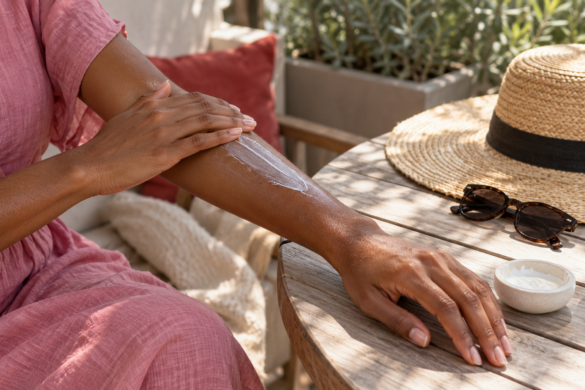
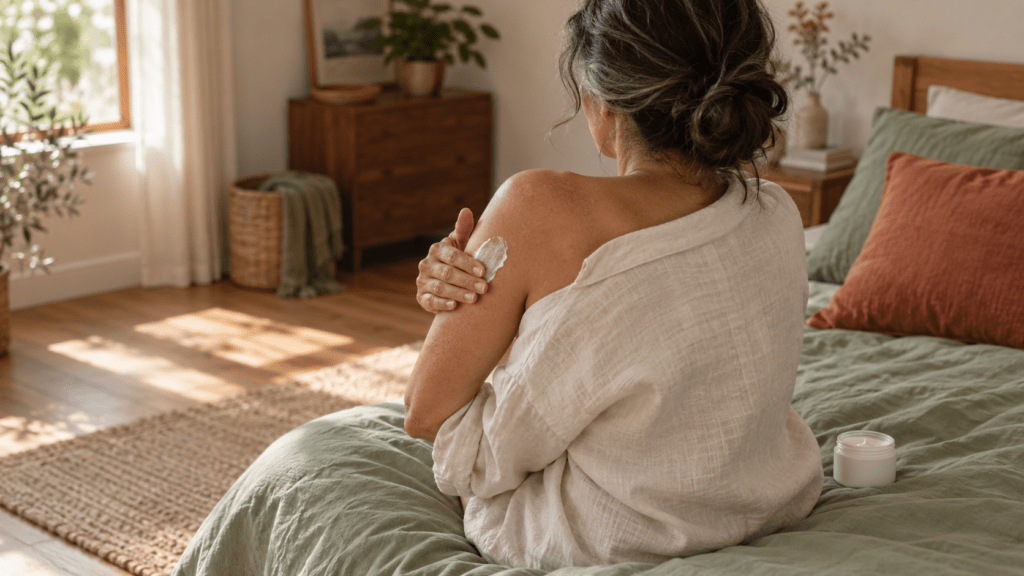
- Apply your moisturizer right after showering, while the skin is still slightly damp, to maximize absorption.
3. Retinoid-Based Treatments 🧴
- Retinol or vitamin A derivatives can help regulate keratinization.
- Introduced carefully and gradually, these actives can help improve skin texture over time.
4. A Targeted Dermatological Approach 👩🏻⚕️
- For severe or widespread keratosis pilaris, a dermatology consultation can be beneficial.
- Your dermatologist may recommend specific medical treatments or professional procedures, such as gentle peels, to accelerate results.
The Ideal Routine for Keratosis Pilaris: A Practical Example 🌸
Here is a simple, effective recommended routine to best manage keratosis pilaris:
- Gentle daily cleansing (sulfate-free products with a skin-appropriate pH).
- Gentle chemical exfoliation, 2 to 3 times per week, using lactic acid or salicylic acid-based products (cream or lotion).
- Deep daily moisturizing with an emollient cream enriched with urea, ceramides, or nourishing plant oils (jojoba oil, shea butter…).
- Regular sun protection on affected areas exposed to the sun (to prevent pigmentation marks caused by irritation).
Our Bonus Tips for Even Better Results 🌟

- Soft clothing: opt for gentle, non-irritating fabrics like soft cotton.
- So-called “anti-inflammatory” diet: incorporate omega-3s (oily fish, chia seeds), vitamin A (sweet potatoes, carrots), and antioxidants (berries, leafy greens) into your diet.
- Dietary supplements: certain omega-3 or probiotic supplements may help support overall skin health.
Frequently asked questions
Keratosis pilaris shows up as small, rough, sometimes red or flesh-coloured bumps centred around hair follicles, most often on the arms, thighs, buttocks or face. Unlike acne, there are no inflamed pustules or large comedones, and the bumps feel more like sandpaper than a pimple.
The condition stems from an excess of keratin that blocks hair follicles. It tends to run in families, and can be worsened by very dry or atopic skin, cold or low-humidity climates, and hormonal shifts such as those during puberty or pregnancy.
A gentle chemical exfoliation using AHA (like lactic acid) or BHA (such as salicylic acid) often works well. Choose a product with a moderate strength – around 5-10% – and apply two to three times a week to help dissolve dead cells while limiting the risk of irritating the skin.
Opt for a cream or lotion that contains urea (5-10%), glycerine or ceramides. Apply it straight after showering while the skin is still damp to lock in moisture and help rebuild the lipid barrier.
If the bumps cover a large area, are particularly stubborn, or don’t improve with gentle home care, it’s worth booking a dermatologist appointment. They can suggest medical-grade treatments or professional procedures such as mild peels.
Conclusion: Keratosis Pilaris — A Manageable Imperfection with the Right Approach ✨
Even though keratosis pilaris is common, you don’t have to simply live with it. With a targeted, gentle and regular skincare routine, you can gradually improve the look of your skin and feel more comfortable in your own skin. With a clear understanding of this condition and the right care, your skin can feel softer and look smoother.
To complement your daily skincare routine and address other specific concerns such as blemishes or signs of aging, explore all our tailored solutions at My SOS Beauty.
Related articles
- Centella Asiatica: the soothing ingredient revolutionising sensitive skin & blemish routines
- High frequency: the treatment that boosts radiance, smooths wrinkles and helps fight blemishes
- Bakuchiol: everything you need to know about the natural ingredient changing skincare
Useful categories: Blemishes.

Helps reduce the appearance of imperfections
- Soothes redness
- Prevents the appearance of new pimples
- 95.9% natural formula