If you’ve been loyal to the same skincare staples for months – or even years – and suddenly they seem to lose their sparkle, you’re not alone. A duller complexion, fewer improvements on blemishes or fine lines can feel baffling. It often isn’t that the products have gone bad, but that your skin’s needs have shifted. In this guide we’ll unpack why your skin can stop responding and show you practical ways to refresh your routine so it works for you again.
Skin adaptation to skincare: myth or reality? 🔍
Many people notice that after a long period of using the same products, results gradually become less visible. Contrary to popular belief, this isn’t quite the same as the tolerance seen with certain medications. It’s more of a multifactorial phenomenon that can be explained by:
- A strengthened skin barrier: certain treatments — particularly those rich in exfoliating or regulating actives — can help reinforce your skin barrier. Your skin may then seem more resilient and react less strongly to these products, as if it had reached a state of balance.
- Evolving skin needs: your skin changes with the seasons, age, environment, and even your hormonal or emotional state. A product that works brilliantly at one point in time may become less suited as your skin’s needs shift.
- Tolerance to potent actives: certain active ingredients (retinol, glycolic acid, high-concentration vitamin C) may deliver spectacular results at first, then appear to lose intensity. Your skin hasn’t necessarily “got used to” them — it has simply become more tolerant to those concentrations and now calls for some adjustment.
How to tell if your skin has “adapted”?💡
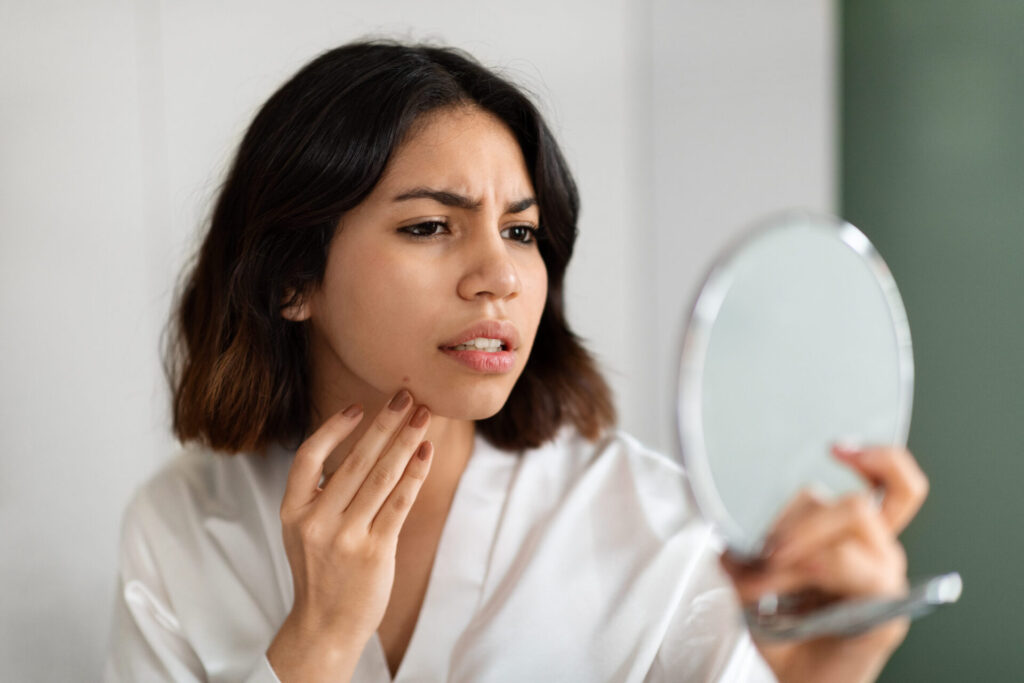
A few signs can help you detect that your current routine is no longer fully meeting your skin’s needs:
- An unusual lack of radiance despite a consistent skincare routine.
- Skin that feels drier or oilier than usual.
- A sudden reappearance of blemishes even though your routine hasn’t changed.
- A feeling of tightness, discomfort, or simply a lack of visible results.
If you notice one or more of these signs, it’s probably time to reassess your routine.
Best practices for restoring skin receptiveness 🌟
1. Reassess your beauty routine regularly
Your skin is not static — its needs are constantly changing. It’s advisable to review your beauty routine every three to six months, or with each change of season, to adapt it to newly identified needs (extra hydration in winter, lighter textures in summer, more or less intense exfoliation, and so on).
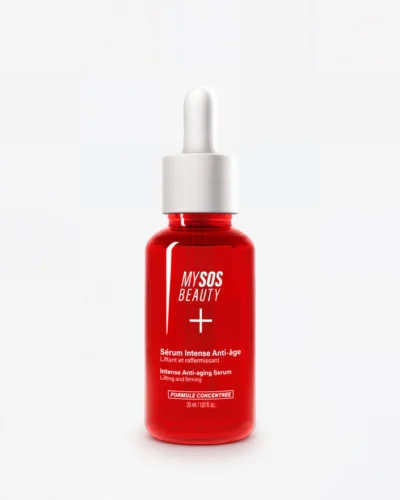
For smoother, firmer skin
- Intense hydration, soft touch
- Gentle alternative to retinol
- 99.4% naturally derived ingredients
2. Take a break from certain potent actives
When you’re working with potent actives such as retinol, chemical exfoliants or high-strength vitamin C, consider spacing their application or rotating them instead of using everything together. For instance, apply retinol every second night, or briefly lower the frequency of acid exfoliation so your skin can recover its usual responsiveness.
3. Introduce new actives gradually
Incorporating new ingredients or products can help stimulate the skin to respond again. For instance, occasionally switch to a different treatment — introducing a regenerating oil, a hydrating active such as hyaluronic acid, or a new texture — to prevent your skin from adapting too quickly.
4. Alternate your skincare with the seasons
Your skin doesn’t respond to a product in the same way depending on the climate. In winter, it needs a more protective and nourishing treatment, while in summer it will appreciate lighter textures and regulating actives. By regularly adapting your routine, you avoid a plateau in results.
5. Don’t overlook regular gentle exfoliation
If you feel your skin is no longer responding, a build-up of dead cells may be preventing actives from penetrating properly. A gentle exfoliation using mild acids (lactic acid, mandelic acid, or PHAs) once a week may help revive your skin’s receptiveness.
Mistakes to avoid at all costs ⚠️
- Changing products too often or too abruptly: your skin needs time to adjust to a new treatment — be patient and gentle with any changes you make.
- Layering too many similar products: alternate textures and actives to maintain an optimal skin response.
- Neglecting hydration: dehydrated skin doesn’t respond well to skincare. Make sure you maintain good daily hydration, whatever your skin type.
Frequently asked questions
When your skin barrier becomes stronger or your skin’s requirements change – due to season, age, hormones or stress – the same formulas can feel less effective. The skin may look less radiant even though you’re still using the same routine, simply because the product no longer matches its current needs.
Look out for a noticeable loss of radiance, unexpected dryness or excess shine, a flare-up of break-outs, or a persistent tight feeling without visible improvement. Experiencing one or more of these signals usually means your current regimen isn’t meeting your skin’s present demands.
In colder months, opt for richer, more protective moisturisers to help combat dryness. When it’s warm, switch to lighter textures and focus on regulating actives to avoid feeling weighed down. Updating your routine with each season may help prevent plateaus and keep your skin responsive.
It can help. Give potent ingredients a rest – for example, use retinol every other night or temporarily cut back on chemical exfoliants – so your skin can regain a normal sensitivity to skincare.
In conclusion ✨
The “adapted skin” phenomenon is neither irreversible nor cause for alarm. It’s simply a sign that it’s time to reassess your beauty routine. By staying attuned to your skin’s natural changes, regularly adapting your products, and introducing new textures and suitable actives, you’ll keep your skin receptive, radiant, and visibly healthier. Take care of it — and it will take care of you.
At My SOS Beauty, we offer treatments formulated with active ingredients that are easy to incorporate into your routine. Explore our anti-ageing ranges and blemish-fighting collections on our website to help restore balanced, glowing skin.
Related articles
- Skincare layering: in what order should you apply your products for maximum effectiveness?
- Makeup and acne: how to choose your products without making breakouts worse?
 -44%LIMITED OFFER