When it comes to hair care, most of us immediately think of nourishing, hydrating, or repairing ingredients. Yet one crucial factor often stays in the shadows: the pH of our shampoos and hair care products. This small detail — usually overlooked or left unmentioned — has a direct impact on the health of our hair and scalp.
So how does pH really affect the beauty and vitality of your hair? What happens when pH is off? And how do you choose products based on this essential parameter? Let’s uncover everything you’ve never been told about the importance of pH in hair care.
A quick reminder: what exactly is pH? 🔍
pH (potential of hydrogen) measures the acidity or alkalinity of a solution. The pH scale runs from 0 to 14:
- pH below 7: acidic environment
- pH of 7: neutral environment
- pH above 7: alkaline (or basic) environment
Your scalp and hair naturally have an acidic pH ranging between 4.5 and 5.5, close to the skin’s well-known “acid mantle.” This acidic balance is essential for preserving the integrity of the hair fiber and maintaining a healthy scalp.
Sommaire
Why does pH matter so much for your hair? 🌿
Choosing the right hair product isn’t just about picking nourishing or hydrating ingredients. A poorly matched pH can completely undermine the effectiveness of a treatment — and even weaken your hair. Here’s why:
1. Preserving the integrity of the hair fiber
Hair is covered in cuticles (scales) that open or close depending on the pH of the product used:
- Alkaline products (pH >7):
- Open the cuticles, leaving hair vulnerable, dull, brittle, and prone to frizz.
- Destabilise natural keratin, weakening the very structure of the hair.
- Slightly acidic products (pH 4.5 to 5.5):
- Seal the cuticles, locking moisture deep within the hair shaft.
- Leave hair visibly shinier, more supple, softer to the touch, and more resilient against external aggressors.
2. Supporting scalp health 🌱
The scalp needs an acidic pH to:
- Maintain its natural protective barrier, which is essential for preventing the growth of fungi or bacteria responsible for itching, dandruff, or irritation.
- Help prevent inflammation, redness, and imbalances such as seborrhoeic dermatitis or eczema.
What are the risks of using hair products with the wrong pH? ⚠️
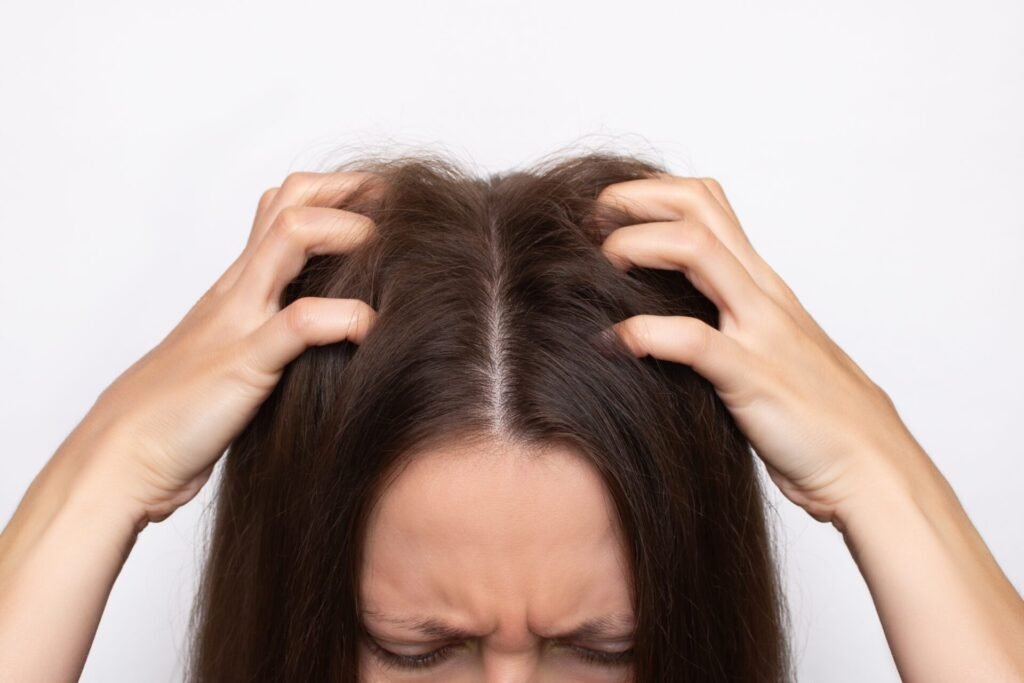
Regularly using products with a pH that’s too alkaline poses several significant risks to your hair health:
- Increased hair porosity: hair becomes dry, brittle, and difficult to detangle.
- Colour alteration (especially for colour-treated or bleached hair): colour fades quickly and loses its vibrancy.
- Recurring scalp issues: persistent irritation, dandruff, itching.
- A noticeable loss of shine and overall vitality of the hair.
How can you identify the pH of your hair products? 💡
Unfortunately, pH labelling on hair products is not mandatory. That said, here are a few tips to help you make better choices:
- Choose transparent brands that clearly indicate a “balanced” pH or one close to that of hair (between 4.5 and 5.5).
- Avoid overly stripping shampoos — often formulated for intensive cleansing (sometimes labelled as “clarifying” or “purifying” shampoos) — which tend to have an alkaline pH.
- Favour products that explicitly mention “gentle,” “scalp-friendly,” or “suitable for frequent use”, as these are generally closer to the ideal pH.
Which pH should you choose based on your hair needs? ✅
- For daily washing (frequent use): a gentle, acidic shampoo (pH 4.5 to 5.5) to best respect the natural balance of your scalp and hair.
- After colouring or chemical treatments (bleaching, perming, straightening): conditioners or masks with a slightly more acidic pH (between 3.5 and 4.5) to effectively seal the hair cuticles and preserve colour and softness.
- For occasional clarifying (once a month): you can occasionally use a slightly alkaline shampoo (around 7–8) to thoroughly remove product build-up, pollution, or mineral deposits. Always follow up with an acidic treatment to rebalance the pH and seal the cuticles.
Simple tips to naturally rebalance your hair’s pH 🚿
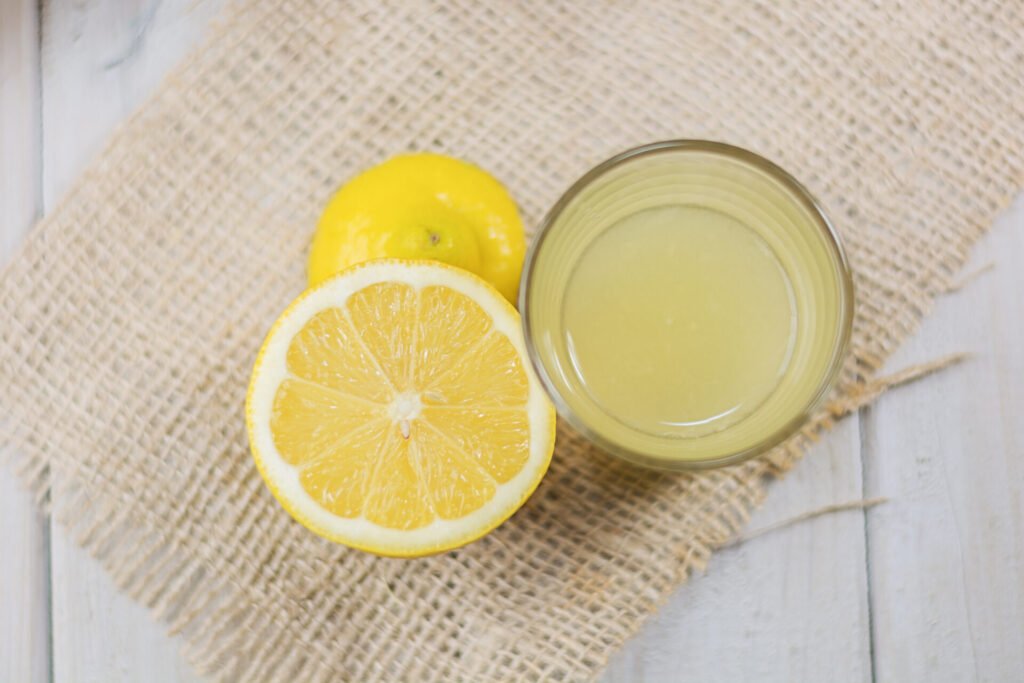
If you’ve used a product that’s too alkaline and your hair feels dull or rough, here are two easy natural remedies:
- Apple cider vinegar rinse: Mix 1 to 2 tablespoons of apple cider vinegar into 500 ml of cool water. This rinse instantly rebalances the pH, seals the cuticles, and restores softness and shine.
- Lemon water rinse: Squeeze half a lemon into 500 ml of cool water. Works on the same principle as apple cider vinegar, but is ideal for blonde hair (enhances luminosity).
⚠️ Important: These natural remedies should be used in moderation and always in diluted form.
- The apple cider vinegar rinse works particularly well for normal, oily, and dark hair, but should be used with caution on very light blonde or highly sensitive hair.
- The lemon water rinse is ideal for naturally blonde or highlighted hair, but may slightly lighten dark hair and can dry out very dry or fragile hair.
If in doubt, always do a patch test on a small section of hair first, or consult a professional for personalised advice.
In summary ✨
Choosing hair care products suited to your hair’s pH is essential for preserving its health, radiance, and natural softness. A balanced pH helps maintain the integrity of the hair fiber, prevents long-term damage, and maximises the effectiveness of your treatments.
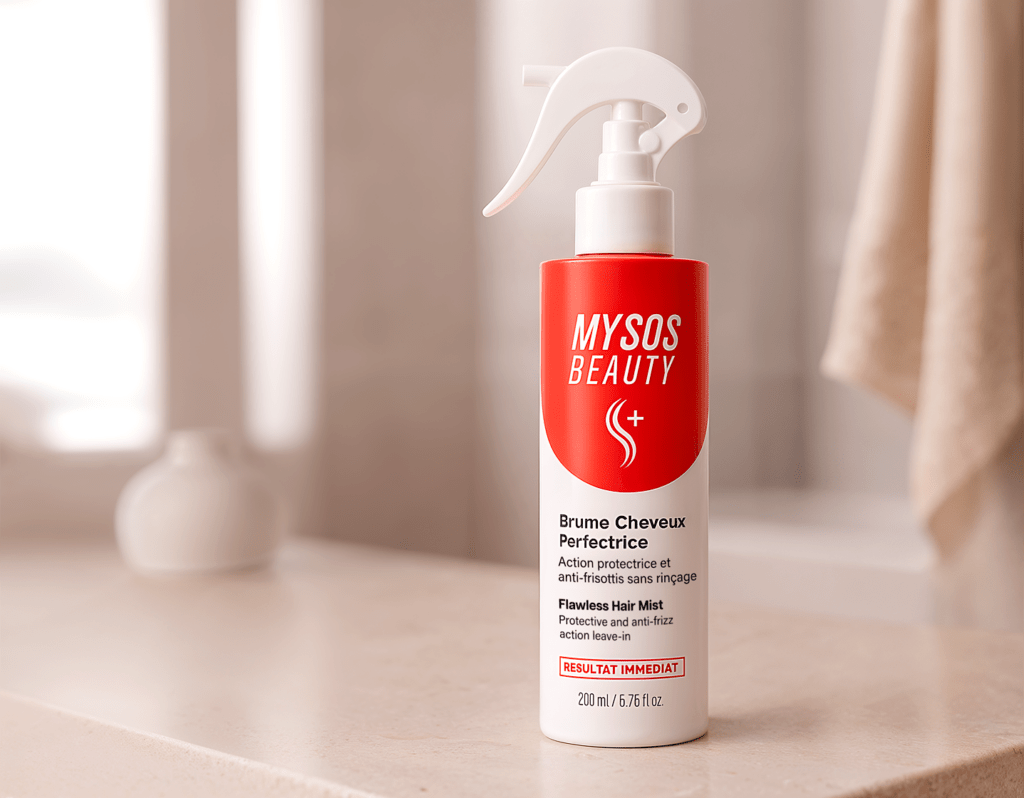
To perfectly complete your hair care routine and protect your hair every day, discover the Brume Cheveux Perfectrice by My SOS Beauty. In a single step, it tames frizz and transforms your hair — delivering softness, shine, and effective heat protection against styling tools. Find it now on our website !