Caring for your hair today means looking beyond split ends or dry tips. The scalp-skinification movement encourages you to apply the same skincare principles you use on your face straight to the scalp. An unbalanced or irritated scalp can send excess oil onto the forehead, hairline or neck, encouraging breakouts and discomfort. In the following sections we’ll show you how to spot an irritated scalp, build a routine that tackles blemishes at the root and avoid common habits that worsen the problem.
Why does the scalp directly affect your skin? 🌱
The scalp is a natural extension of the skin on your face. It has hair follicles, sebaceous glands, and is exposed daily to pollution, environmental aggressors, and styling products. Here’s why this directly influences your overall skin health:
- Sebum and impurity transfer: An oily or irritated scalp produces excess sebum that can migrate onto the face, causing breakouts along the hairline or on the forehead.
- Inflammation and microbiome imbalance: A disrupted microbiome leads to inflammation, itching, and the appearance of fungal or bacterial acne.
- Irritation from harsh products: Irritating shampoos, comedogenic or heavily fragranced styling products can trigger visible skin reactions on your face.
What are the signs that your scalp needs extra attention?🔍
An imbalanced scalp typically shows up as:
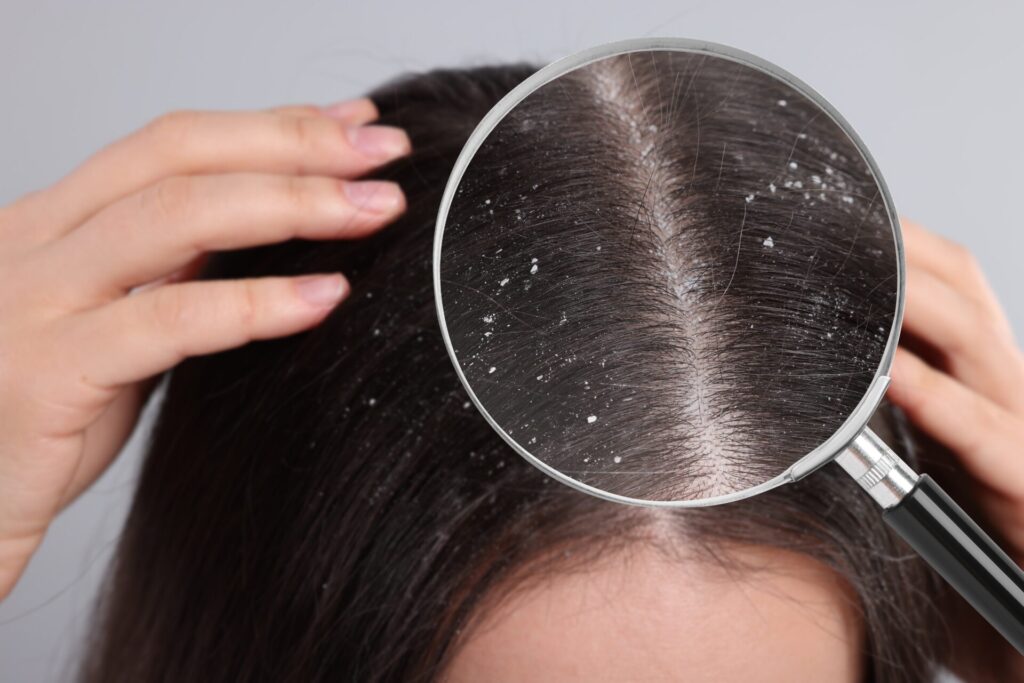
- Excess sebum, frequently oily roots
- Recurring breakouts or blemishes on the forehead, nape, or scalp
- Persistent oily or dry dandruff
- Ongoing itching, redness, or irritation
Key steps to build a blemish-fighting scalp routine 🎯
To tackle blemishes at their source and rebalance your scalp, here is a clear, easy-to-follow routine, step by step:
1. Scalp exfoliation: a non-negotiable step 🧼
Just like the skin on your face, a congested scalp encourages breakouts and inflammation.Regular exfoliation (no more than once a week) helps remove excess sebum and dead skin cells, preventing follicles from becoming blocked.
| Recommended actives | Format |
| Salicylic acid (BHA) | Clarifying exfoliating shampoo |
| Gentle fruit acids (AHA/PHA) | Enzymatic exfoliating treatment or gentle pre-shampoo |
2. Choosing the right shampoo to rebalance the scalp 🚿
Using a harsh or ill-suited shampoo every day worsens imbalances. Opt for a gentle shampoo tailored to your specific concerns.
| Concern | Recommended actives | Where to find them? |
| Oily scalp, frequent blemishes | Niacinamide, Zinc, Piroctone olamine, Tea tree | Targeted shampoos from pharmacies or specialist retailers |
| Sensitive, irritated scalp | Bisabolol, Panthenol (Vitamin B5), Aloe vera | Gentle or specifically soothing shampoos |
3. Applying a targeted serum or treatment lotion🧴
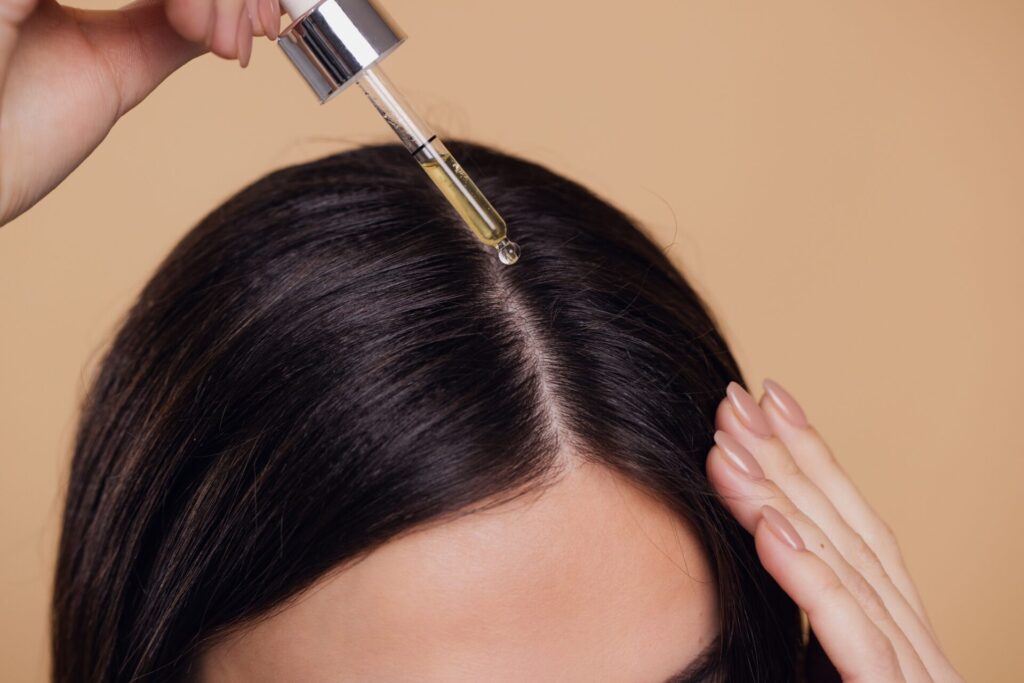
After shampooing, apply a leave-in lotion or serum directly to the scalp to prolong the benefits of your routine.
| Effective actives | Format |
| Hyaluronic acid, Centella asiatica, Probiotics | Leave-in serum or lotion (pipette applicator) to apply on damp or dry scalp |
4. Weekly hydration: the step you often forget 💦
Even an oily or blemish-prone scalp needs regular hydration (once a week).
| Recommended lightweight hydrating actives | Format |
| Vegetable glycerin, lightweight hyaluronic acid, floral water (lavender or chamomile) | Targeted masks for sensitive scalps, lightweight hydrating serums |
Habits to avoid for a blemish-free scalp:
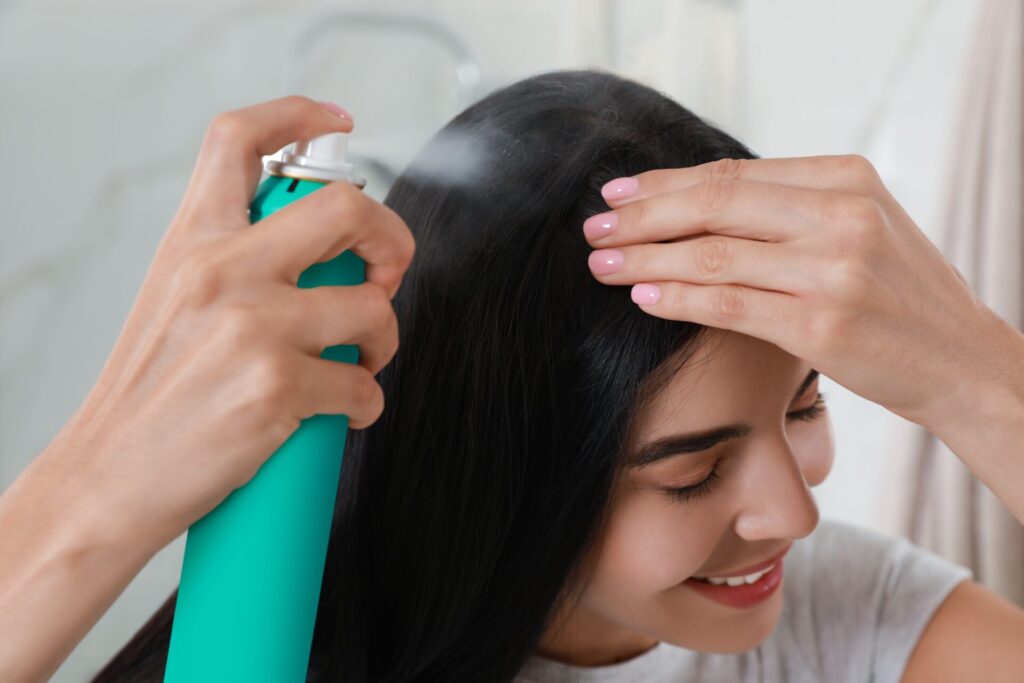
- Using heavily lathering shampoos(irritating SLS).
- Washing your hair with very hot water(worsens sebum production and irritation).
- Using dry shampoo every day(clogs follicles).
The My SOS Beauty approach: tackling facial blemishes with a complete routine 🌟
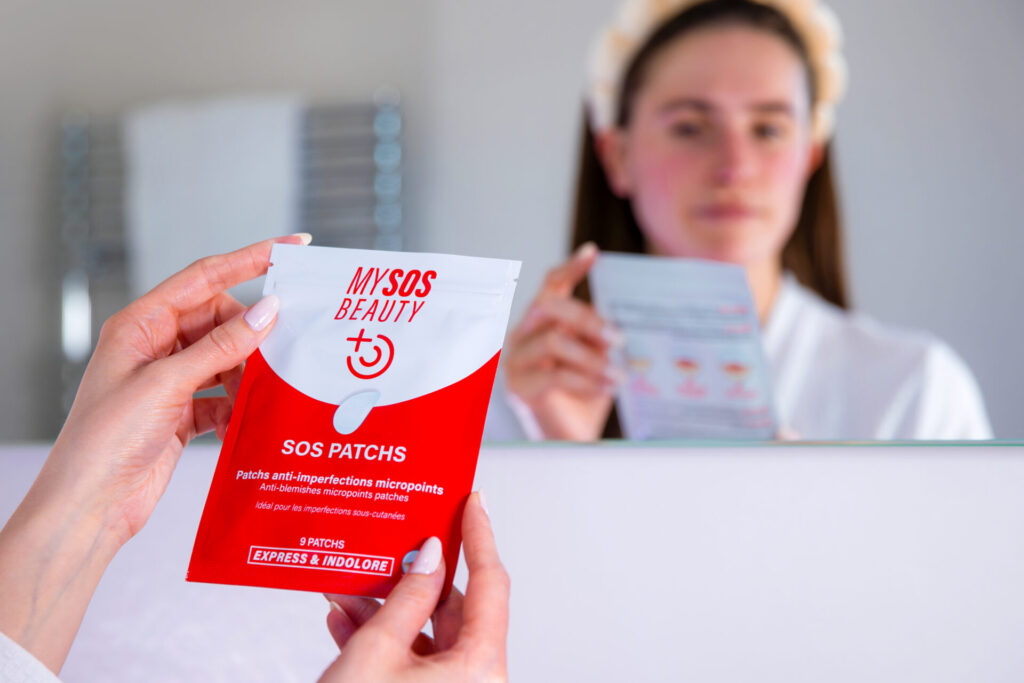
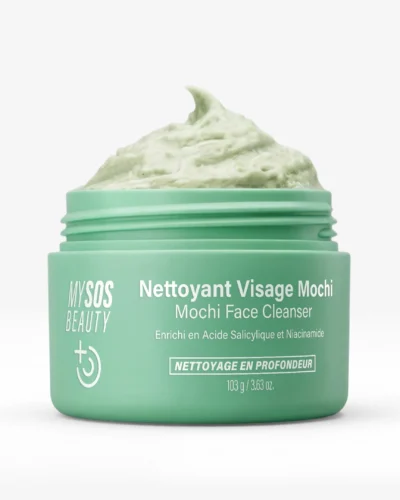
At My SOS Beauty, we firmly believe in a holistic approach to blemishes. Because scalp care directly influences the health of your skin, we offer a complete range of blemish-fighting solutions to address every potential cause.
Our targeted facial products (SOS Patches, active blemish treatment) can help you care for existing breakouts as part of your routine. Combined with a proper scalp care routine (as outlined above), they form a comprehensive routine that can contribute to visibly clearer skin.
Visit the My SOS Beauty website to see our full range of blemish-targeting products, designed to help your skin achieve a natural glow.
Frequently asked questions
When the scalp produces too much sebum, the excess can travel up to the hairline and forehead, clogging pores and prompting pimples. A disrupted scalp microbiome can also lead to inflammation and blemishes.
Look out for overly greasy roots, recurring pimples or spots on the forehead, neck or scalp, persistent dandruff (whether oily or dry), and ongoing itching, redness or irritation. These symptoms usually point to an out-of-balance scalp.
Choose a gentle, sulphate-free shampoo that’s formulated to rebalance the scalp. Look for products that address your specific issue – excess oil, irritation or dandruff – without harsh surfactants or heavy fragrances that could aggravate the skin.
Avoid shampoos that lather heavily with SLS, washing your hair in very hot water (which can boost oil production), and using dry shampoo every day, as these can clog follicles and increase irritation.
Conclusion: a balanced hair care routine for clearer skin ✨
Giving your scalp the same level of care you give your face is key to keeping breakouts at bay. With a straightforward routine, appropriate actives and sensible habits, you can support a balanced scalp and enjoy skin that looks clearer and more radiant.
Related articles
- Damaged skin barrier: why it worsens blemishes and how to repair it
- Menstrual cycle and breakouts: understanding and anticipating hormonal acne flare-ups
- Water retention and blemishes: what’s the link and how to fix it?
Useful categories: Hair & Eyes, Blemishes.

Helps reduce the appearance of imperfections
- Soothes redness
- Prevents the appearance of new pimples
- 95.9% natural formula
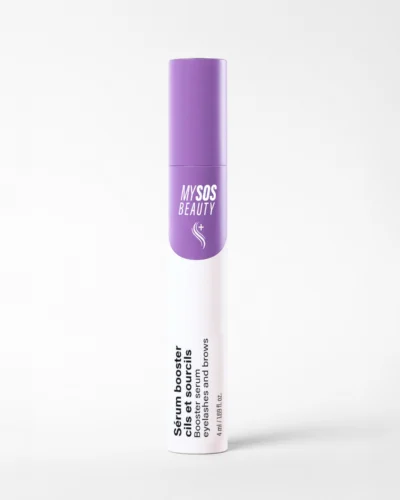
Strengthens lashes and brows
- Strengthens lashes and eyebrows
- Helps improve the appearance of density, thickness and length
- A daily