Sudden redness, persistent discomfort, flaking… These issues are common yet often misunderstood. Your skin may not be naturally “sensitive” — it may simply be “sensitized,” a temporary state triggered by certain habits or environmental conditions. Understanding this distinction and identifying the signs precisely allows you to act effectively and restore lasting balance to your skin.
Find out why your skin suddenly becomes uncomfortable, how to accurately identify sensitized skin, and what concrete steps to take for fast, lasting relief.
Sensitive skin vs. sensitized skin: an essential but overlooked distinction 🔍
The two are often confused, but this difference completely changes your approach to skincare:
- Sensitive skin (chronic):
It is genetic, permanent, and reacts strongly to minor stimuli (cold, heat, cosmetics…). You live with it and must continuously adapt your routine.
- Sensitized skin (temporary):
It is triggered by specific external or internal factors (climate, overly harsh products, prolonged stress). This is a transient state that can be corrected quickly with the right adjustments.
Understanding this distinction means you can respond precisely to your skin’s immediate needs.
What are the specific signs of sensitized skin?
Some classic symptoms often go unnoticed, yet clearly point to temporary sensitization:
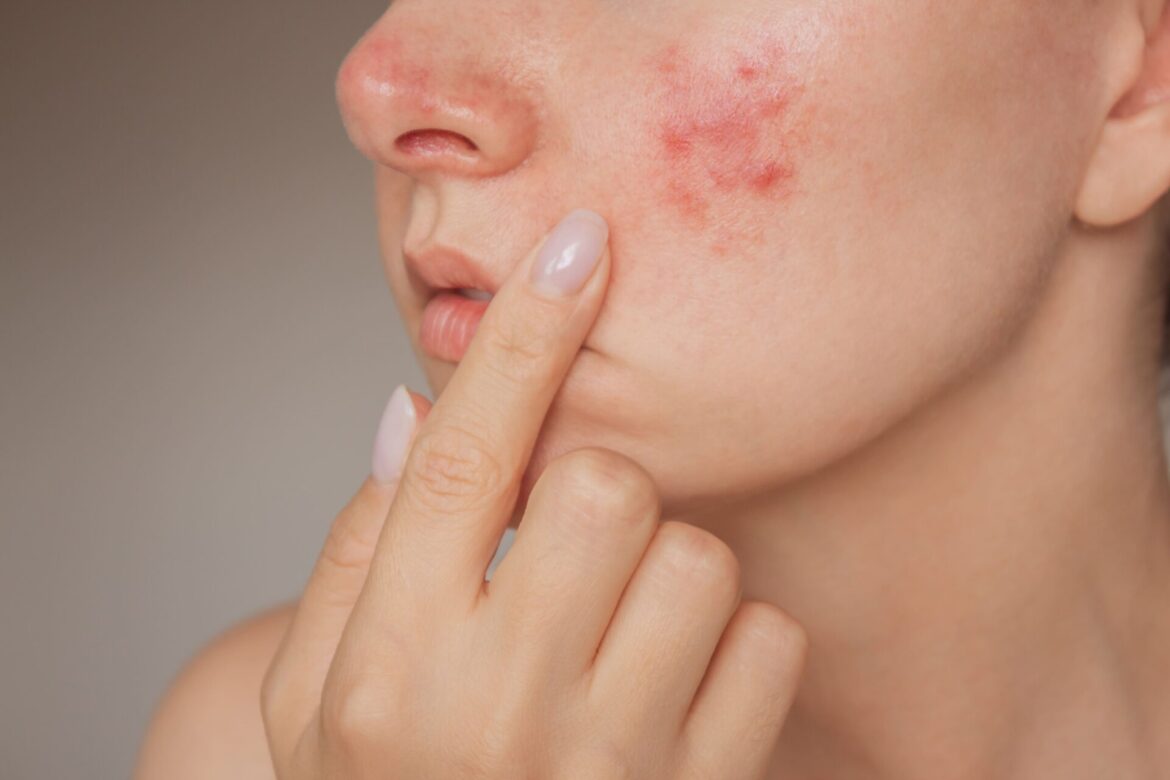
- Localized or widespread redness: Appearing after applying certain products or exposure to the elements (wind, sun, cold).
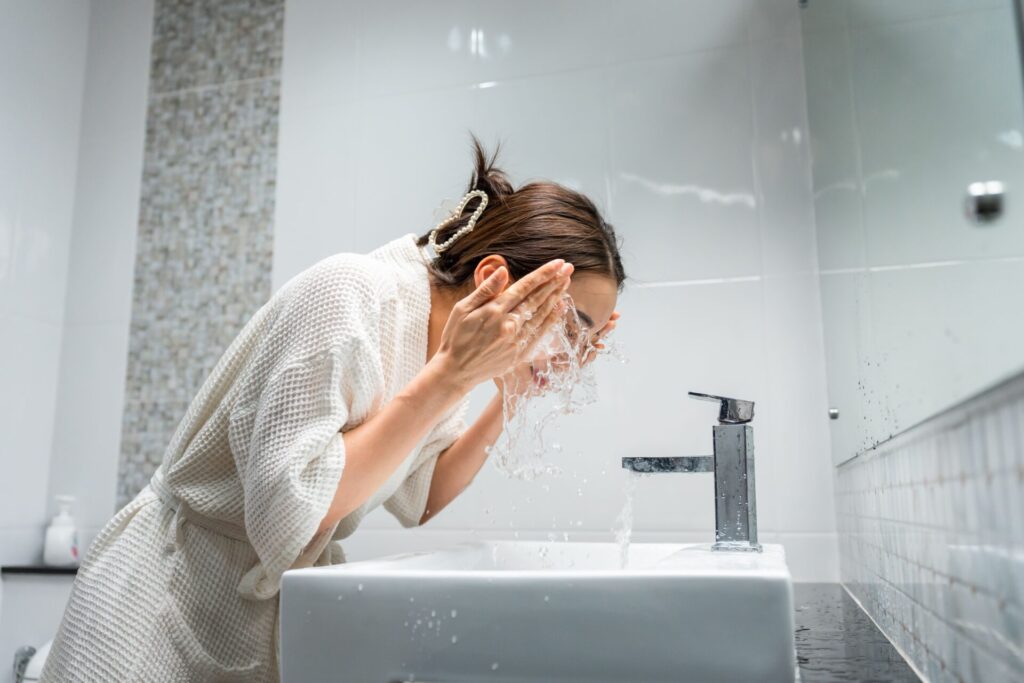
- Immediate tingling after cleansing: Your skin is reacting to your current cleanser, which is stripping its protective barrier.
- Temporary sensation of heat or burning: Often occurring after applying a product containing alcohol or irritating fragrances.
- Peeling or occasional flaking: A sign of a deeper disruption in skin hydration.
- Sudden small red bumps or rough patches: Signs of a mild allergic reaction or irritation to certain ingredients.
Spotting these subtle signs allows you to pinpoint the trigger and eliminate it quickly.
Why does your skin suddenly become sensitized?
Behind every episode of sensitized skin lies a specific trigger that is often overlooked:
- A skin barrier weakened by overly harsh products: Stripping cleansers, repeated exfoliation, or overdosed actives (highly concentrated retinol, too-frequent acids…).
- A disrupted skin flora (imbalanced microbiome): Overuse of harsh or antibacterial products, excessive cleansing, or prolonged exposure to environmental factors (pollution, air conditioning, temperature fluctuations) can all upset the skin’s natural balance.
- Chronic stress or anxiety episodes: Cortisol increases skin permeability, leaving your epidermis more vulnerable.
- Low-grade inflammation linked to diet: Too much sugar, excess alcohol, or ultra-processed foods can trigger silent inflammation that manifests visibly on the skin.
- Prolonged exposure to harsh climates without adequate protection: Cold wind, direct sun without SPF, or very dry air (heating/air conditioning) quickly lead to moisture loss and surface irritation.
By identifying the exact cause, you can address the issue at its source.
A comprehensive, innovative approach to lastingly soothe sensitized skin 💡
1. Stop problematic products immediately
- Eliminate any product containing alcohol, synthetic fragrance, essential oils, or harsh surfactants (Sodium Lauryl Sulfate, etc.).
2. Choose minimalist yet restorative skincare:
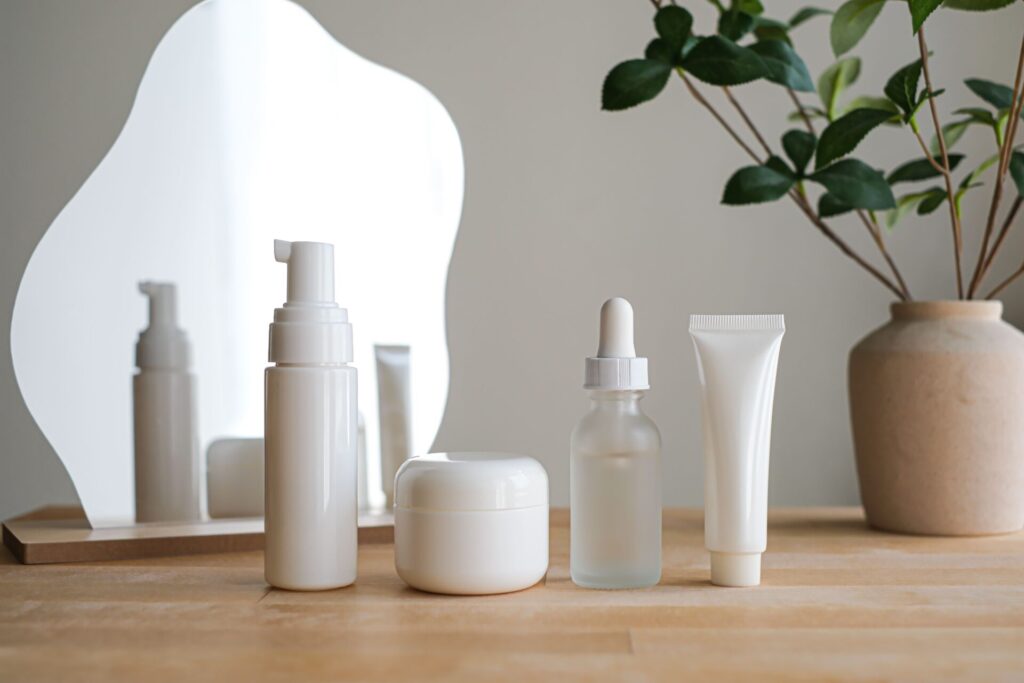
- Gentle, sulfate-free cleansers with ultra-mild surfactants (Coco glucoside, Decyl glucoside).
- Repairing serums enriched with ceramides, niacinamide, or provitamin B5 to restore the skin barrier.
- Protective moisturizers with biomimetic lipids (plant oils rich in essential fatty acids: jojoba, borage…).
3. Rebalancing the skin microbiome: the long-term approach
- Opt for skincare enriched with prebiotics to restore the skin’s natural bacterial balance.
- Limit aggressive anti-blemish products on areas not affected by breakouts.
4. Drastically reduce exposure to hot water
- Hot water increases transepidermal water loss (TEWL), accelerating dehydration.
5. Lesser-known but effective soothing gestures
- Chamomile or colloidal oat compresses: highly effective for calming occasional redness.
- Applying pure Aloe Vera gel locally for immediate relief from burning sensations.
My SOS Beauty: A comforting treatment for sensitized skin🌟
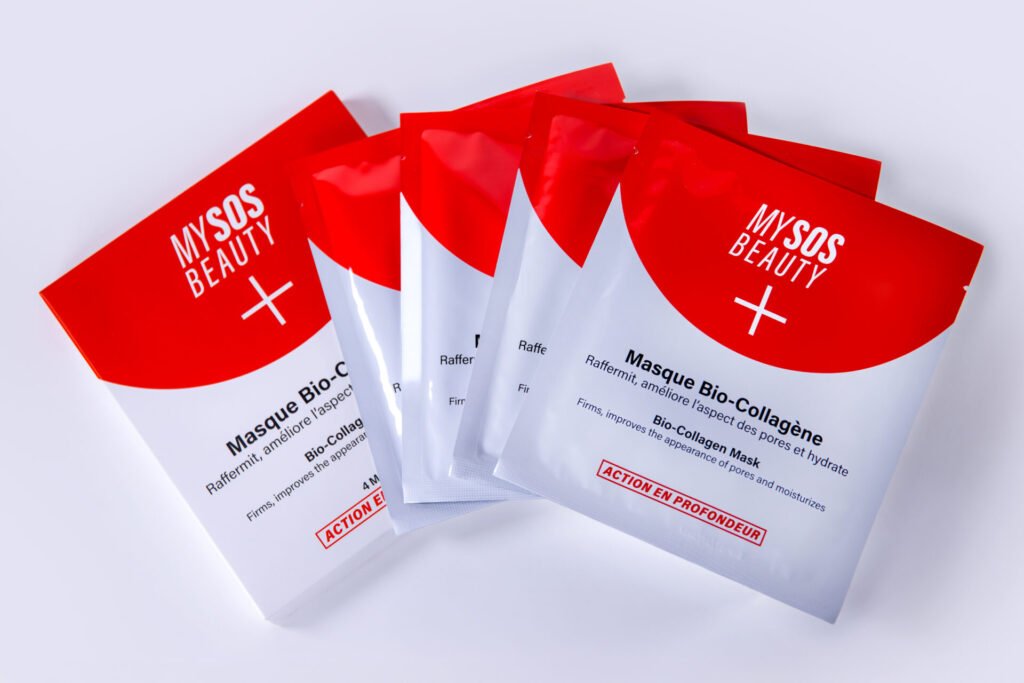
While My SOS Beauty is best known for its anti-aging and anti-blemish treatments, ourBio-Collagen Maskcan also offer a truly comforting experience for sensitized or temporarily uncomfortable skin.
Thanks to its gentle actives and pleasant texture, it helps restore hydration, improve the skin’s natural elasticity, and visibly reduce the signs of aging. Applied to perfectly cleansed skin, simply leave it on until fully absorbed (the mask turns transparent). For enhanced results, you can also leave it on overnight and wake up to plumper, more radiant skin.
To discover this mask and our full range of treatments, visitMy SOS Beauty.
In summary: restoring your skin’s comfort and radiance ✨
Your sensitized skin is sending you a clear message: it needs gentleness, respect, and care tailored precisely to its current needs. By taking a comprehensive approach — carefully selecting your products, restoring the microbiome, managing stress, and applying targeted soothing measures — you will achieve lasting relief quickly.
Going forward, stay attuned to the early signs: your skin will reward you by staying radiant, comfortable, and resilient day after day.