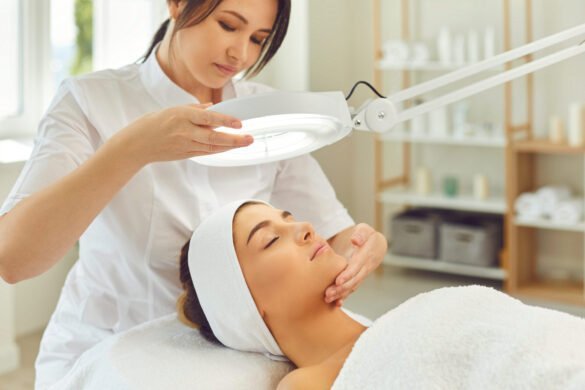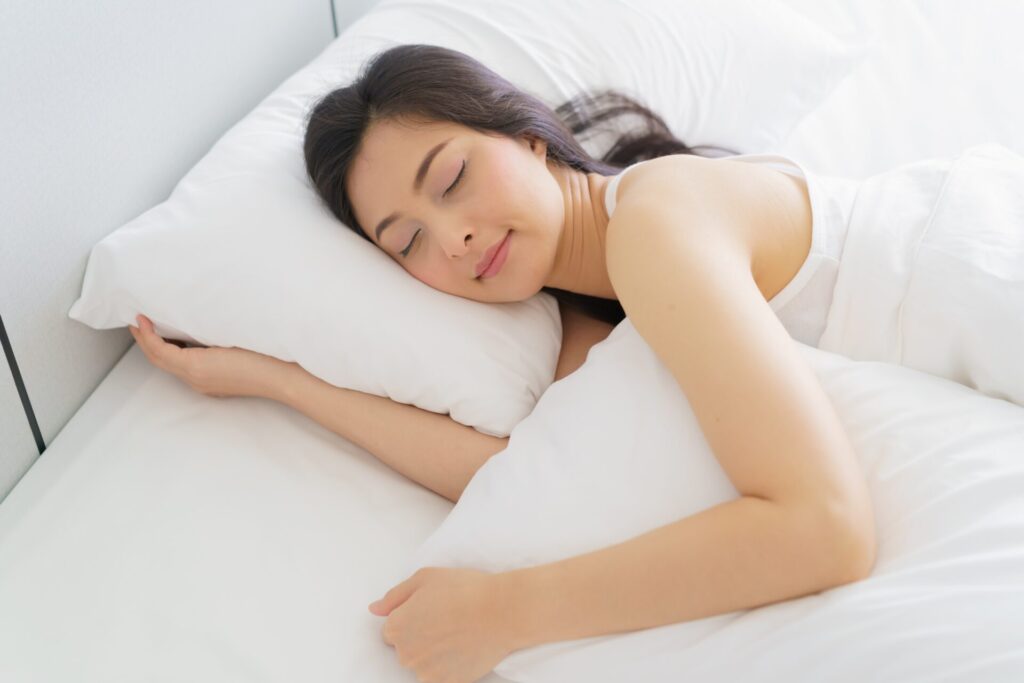
You’ve probably noticed it yourself: after a rough night, your face looks tired, dull, and the signs of ageing seem more pronounced. And it’s not just your imagination! Sleep plays a crucial role in the health and beauty of your skin. Yet in our often hectic daily routines, it’s easy to overlook this precious ally. Find out why getting enough sleep is essential for maintaining a radiant complexion, along with our best tips for achieving truly restorative rest and preserving your skin’s youthful glow.
Why Is Sleep Essential for Your Skin? 💤
- Night-Time Skin Renewal
Night-time is when your skin renews itself. In the deeper stages of sleep, cells turn over more rapidly. If you don’t get enough sleep, this cycle is disrupted, which can leave the skin looking duller, less firm and more prone to visible fine lines.
- Skin More Vulnerable to Inflammation
Insufficient sleep is associated with higher levels of cortisol, the stress hormone, which can make the skin more reactive. Skin prone to blemishes or redness may feel it more. Simply put, the more disrupted your sleep, the more likely your skin is to show blemishes and irritation.
- Dark Circles and Puffiness
Dark circles and under-eye bags are typically the first visible signs of chronic sleep deprivation. When the body doesn’t get enough rest, blood and lymphatic circulation slows down, causing fluid to accumulate beneath the delicate skin around the eyes. The result: puffy eyes and dark circles that are hard to conceal.
- Hydration Imbalance
During sleep your skin restores its natural moisture balance. Cutting the night short disrupts this process, so you may notice tightness, dryness or even flaking. Without sufficient rest, even the best moisturiser can struggle to deliver its full benefit.
Our Tips for Better Sleep and More Beautiful Skin 💡
Here are some practical steps you can start implementing today to improve your sleep quality and, in turn, protect the health and natural beauty of your skin:
- Stick to a Regular Sleep Schedule
- Try to go to bed and wake up at the same time every day — including weekends — to keep your circadian rhythm stable.
- Create a Sleep-Friendly Environment
- Sleep in a cool room (around 18–20°C), dark and quiet.
- Invest in comfortable bedding suited to your preferences.
- Avoid screens (phone, tablet, computer) for at least an hour before bed, as their blue light disrupts melatonin production — your sleep hormone.
- Watch What You Eat
- Limit caffeine intake after 4 pm.
- Avoid heavy, rich, or very sugary meals in the evening to make it easier to fall asleep.
- Build a Relaxing Pre-Bedtime Routine
- Establish a wind-down ritual: meditation, light reading, gentle yoga, or self-massage to help your body shift into rest mode.
- Try deep breathing or heart coherence exercises to reduce stress and encourage peaceful sleep.
- Stay Active During the Day
- Regular physical activity (brisk walking, yoga, dancing…) contributes to better overall sleep quality.
- That said, avoid intense exercise within 2 hours of bedtime, as it can overstimulate your body and make it harder to wind down.
Your Nighttime Beauty Ritual to Make the Most of Your Sleep 🌟
Your skin will benefit even more from restorative sleep when paired with the right skincare:
- Cleanse thoroughly: remove all traces of make-up and pollution with a gentle cleanser or cleansing oil.
- Moisturise generously: apply a night serum with ingredients such as hyaluronic acid, peptides, vitamin C or retinol, followed by a nourishing night cream suited to your skin type.
- Massage gently: use a few soft facial self-massage movements to boost circulation and relax your features.
Frequently asked questions
Deep sleep is when the skin renews itself. When nights are too short, skin can look less firm, duller and less plump, so fine lines tend to stand out more.
Short sleep is linked to higher levels of cortisol, the stress hormone, and skin may become more reactive: redness, blemishes or discomfort can look more pronounced. If you have acne, eczema, rosacea or psoriasis, ask a dermatologist for advice.
Insufficient rest slows blood flow and lymphatic drainage beneath the delicate eye area, allowing fluid to pool and blood to linger. The result is dark circles and puffiness – often the first clues that you’re not getting enough shut-eye.
While you sleep, the skin re-balances its moisture levels. Cutting the night short disrupts this natural process, leading to a tight, dry feeling and sometimes flaking. Even a high-quality moisturiser can struggle to work effectively when the skin hasn’t had time to re-hydrate overnight.
Stick to a regular bedtime and wake-up time, even on weekends. Keep the bedroom cool, dark and quiet. Switch off screens at least an hour before bed, avoid caffeine after mid-afternoon and opt for a light dinner. A calming pre-sleep routine – gentle reading, deep-breathing exercises or light stretching – can signal your body that it’s time to wind down.
Conclusion ✨
Sleep is far more than simple rest — it’s a natural beauty ally that gives your skin time to renew itself every night. By prioritising full, restorative nights, you help keep your complexion fresh and luminous day after day. To complement your regenerative nights and complete your beauty routine, explore our selection of anti-ageing and blemish-targeting skincare products, suitable for all skin types, on our website My SOS Beauty.
Related articles
- Does beauty sleep really exist? Everything you need to know about overnight skin regeneration
- The Importance of Makeup Removal: Why and How to Do It Right
- The Importance of Daily Sun Protection: Essential for Everyone, at Every Age
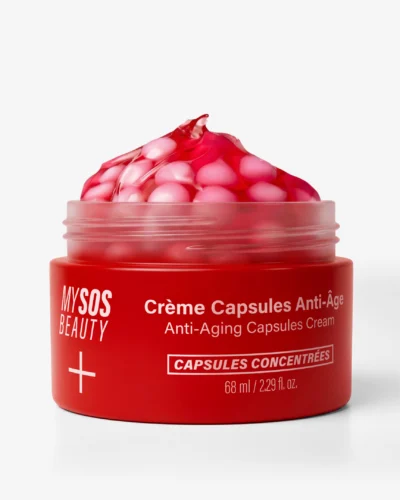
Skin looks smoother
- Concentrated encapsulated actives
- With Ectoine and Retinal
- 88.5% naturally-derived ingredients
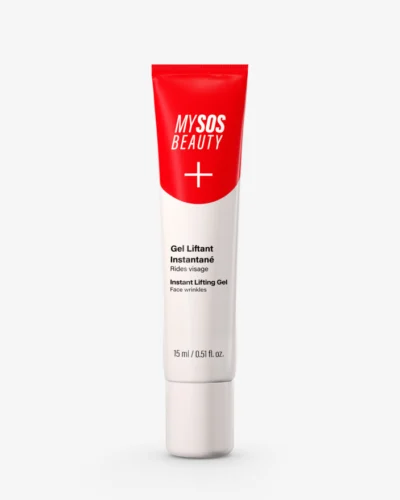 BEST SELLER
Eye contour
- A feeling of tighter skin around the eyes
- A gel that dries in a few minutes
- For light, combination to oily skin