
Skin glycation is a phenomenon often overlooked in anti-aging routines, yet it plays a decisive role in accelerating skin aging. This invisible but highly powerful process can cause significant deterioration in your skin’s quality, well before the first visible signs appear. Discover this phenomenon in depth, its precise impact on the structure of your epidermis, and most importantly, how to concretely combat its effects.
What Exactly Is Skin Glycation? 🔍
Glycation is a natural biochemical reaction — accelerated by our modern lifestyles — in which excess sugar molecules (glucose, fructose) bind irreversibly to vital proteins in the dermis, such as collagen and elastin.
This chemical process leads to the formation of Advanced Glycation End-products (AGEs), toxic compounds that progressively accumulate in the skin, causing deep and irreversible cutaneous damage.
Good to know :
AGEs do not come solely from dietary sugar — they also form from proteins and lipids altered during high-temperature cooking (caramelization, browning).
Detailed Mechanisms: How Glycation Destroys Your Skin’s Youth 🔬
1. Irreversible Damage to Collagen and Elastin Fibers
Glycated proteins become rigid, thickened, and lose their natural functionality. Collagen, which makes up nearly 70% of the dermis, loses its elastic properties and its ability to maintain firmness and bounce. The skin becomes less resilient, thinner, and more vulnerable to external aggressors.
Key insight :
Research shows that glycated fibers form rigid molecular clusters known as cross-links, which completely prevent their natural renewal.
2. Exponential Increase in Oxidative Stress
Glycation promotes a phenomenon known as carbonyl stress, linked to the excessive formation of sugar-derived reactive species. These highly aggressive compounds destabilize the skin’s oxidative balance, accelerating the appearance of deep wrinkles, pigmentation spots, and a rapid loss of radiance.
Further information :
Carbonyl stress is considered one of the most aggressive forms of oxidative stress, causing greater damage than conventional free radicals.
3. Direct Impairment of Skin Support Cells (Fibroblasts)
Glycation also impairs the functioning of fibroblasts — the cells essential to collagen regeneration. Damaged by AGEs, these cells see their activity significantly reduced, drastically diminishing your skin’s repair capacity.
What Are the Main Signs of Early Skin Glycation?
Visually identifying skin prone to glycation is possible through several characteristic signs:
- Waxy, yellowish appearance : nicknamed the glycemic complexion, this discoloration results from the accumulation of AGEs in the skin.
- Stiffening and vertical wrinkles on the cheeks : these characteristic wrinkles are caused by the accelerated loss of elasticity in the deep dermis.
- Premature loss of elasticity and sagging : particularly in delicate areas (eye contour, neck, lower cheeks).
- Uneven skin texture : thicker skin, a slightly rough appearance, or an overall loss of radiance.
What Factors Particularly Accelerate Glycation?
While glycation is a natural process, certain habits and behaviors can significantly amplify its intensity:
- Frequent consumption of foods with a high glycemic index (processed foods, fast-acting sugars, pastries, sodas).
- Regular use of high-temperature cooking methods: barbecue, grilling, frying.
- Chronic stress, releasing cortisol and inflammatory cytokines that indirectly promote glycation.
- Lack of restorative sleep, which disrupts hormonal and metabolic balance, leaving skin more vulnerable.
Advanced Solutions to Effectively Counter Skin Glycation 🎯
1. A Strategic Dietary Approach 🥑
- Prioritize foods rich in anti-glycation molecules such as carnosine (lean poultry, white fish) and resveratrol (grapes, red wine in very small amounts, berries).
- Incorporate powerful antioxidants into your diet, such as green tea, polyphenols (pomegranate, blueberries, raspberries), and anti-inflammatory foods (turmeric, ginger).
Key insight :
Recent clinical studies show that regular green tea consumption significantly reduces circulating AGE levels.
2. Carefully Selected Specialized Skincare 🧴
Cosmetic actives capable of slowing glycation are now better identified:
- Carnosine : a highly effective anti-glycation dipeptide that directly prevents AGE formation in the skin.
- Niacinamide (Vitamin B3) : protects the skin from carbonyl stress while reinforcing the skin’s barrier function.
- Liposoluble Vitamin C : effectively neutralizes AGEs, protecting skin proteins from rapid degradation.
Useful information :
Carnosine, little known to the general public, has demonstrated in scientific studies its ability to reduce glycation by up to 40% after several weeks of application.
3. Targeted Lifestyle Habits and Complementary Techniques 🧘🏻♀️
- Significantly limit your exposure to urban pollution, another factor that amplifies glycation and oxidative stress.
- Adopt recognized techniques to meaningfully reduce chronic inflammatory stress: yoga, mindfulness meditation, cardiac coherence breathing.
- Prioritize regular, restorative sleep: improve your bedtime routine and consider supplements such as magnesium to enhance the quality of deep sleep.
The My SOS Beauty Approach: Targeted Solutions to Visibly Reduce Signs of Aging 🌟
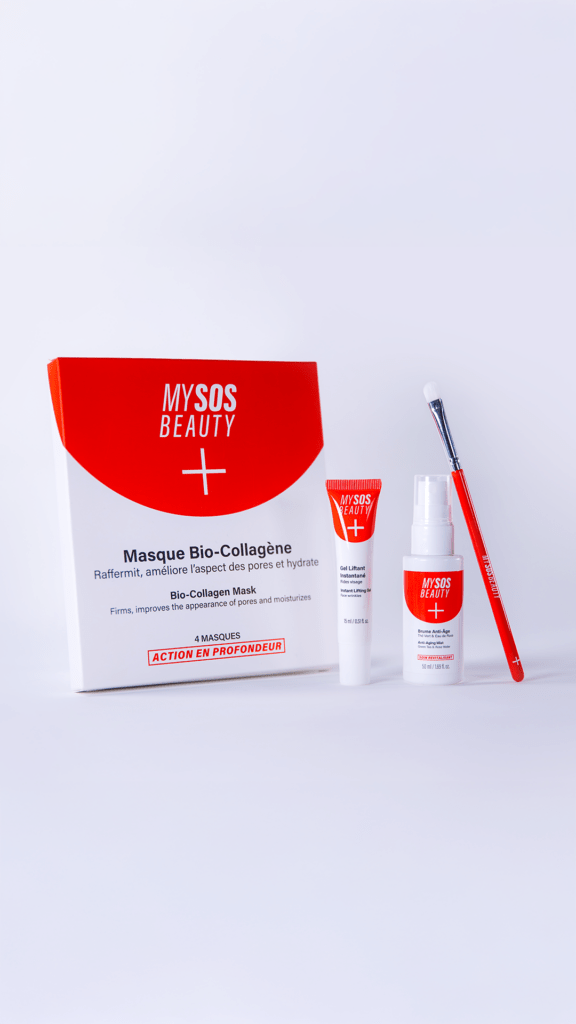
At My SOS Beauty, we have developed a complete anti-aging routine enriched with actives recognized for their benefits on visible signs of aging. Among these ingredients, you will find low-molecular-weight collagen, which penetrates deeply to support skin structure, as well as hyaluronic acid, renowned for its exceptional ability to hydrate, plump, and smooth the skin’s surface.
Explore all our anti-aging solutions on My SOS Beauty to preserve your skin’s elasticity, radiance, and youthfulness over the long term.
Conclusion: A New Dimension of Skincare to Embrace Right Now ✨
Skin glycation is a major and often underestimated driver of premature aging. By understanding its precise mechanisms and the targeted solutions available to combat it, you now have the keys to better protect your skin and extend its natural radiance. Acting against glycation means acting at a deep level for the lasting youthfulness of your skin. Start building the right habits today to preserve your skin’s beauty — from the inside out.