You take your makeup off every night, but do you know why it matters so much? Mixed with sebum, pollution and the grime of the day, makeup left on overnight can clog your pores.
Here you’ll find out why removing your makeup properly is essential and how to choose between a cleansing oil, balm, micellar water, milk or gel. We’ll also cover the right technique, from your eyes through to double cleansing, and the mistakes to avoid. Finally, you’ll learn how to tailor your routine to your skin type, whether it’s dry, sensitive, combination, oily or mature.
1. Why Is Makeup Removal So Important?
- Preventing Clogged Pores
Mixed with pollution, sebum and the grime of the day, makeup can build up into a film that sits on the surface of your skin. Without proper cleansing, pores become clogged, which encourages blackheads, blemishes or milia.
- Preventing Premature Aging
Sleeping in foundation or mascara increases oxidative stress: the skin struggles to breathe and regenerate, free radicals multiply, and collagen production slows down. Over time, this can accentuate fine lines and a loss of skin elasticity.
- Maintaining Radiance and Skin Balance
A thorough cleanse clears away built-up impurities, helping to keep your complexion clearer and brighter. It also preps your skin for the products that follow, such as serums and moisturisers.
2. How to Remove Your Makeup Properly
- Choosing the Right Product
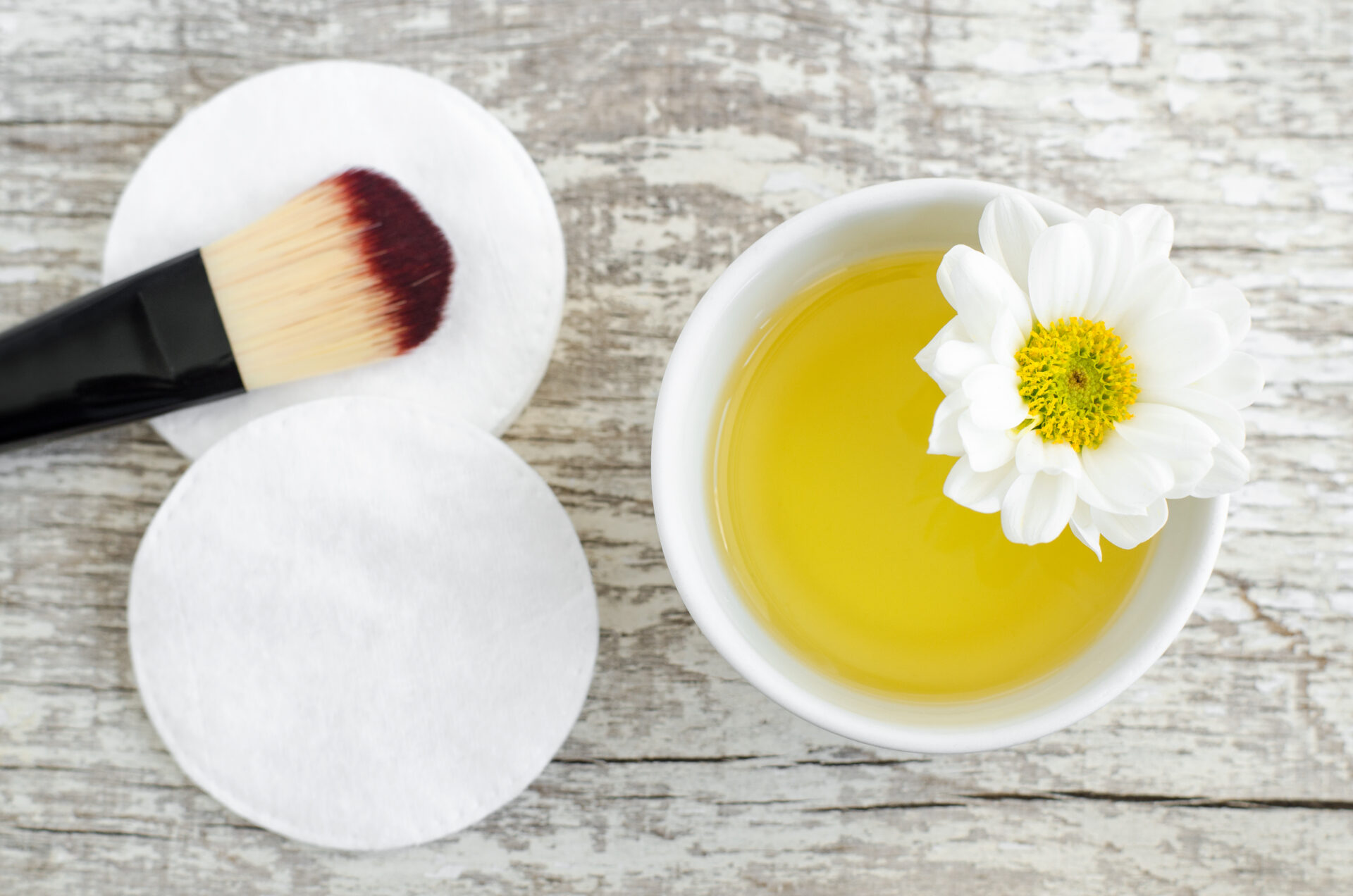
- Cleansing Oils or Balms: highly effective at dissolving waterproof formulas and long-wearing makeup. Ideal for dry or sensitive skin types.
- Micellar Waters: gentle and convenient, they lift away makeup and impurities. Be sure to rinse thoroughly if your skin tends to be reactive.
- Cleansing Milks or Creams: nourishing and comforting, they are well-suited to skin that feels tight or dry.
- Cleansing Gels / Foams: a favourite for combination to oily skin types, they remove excess sebum and leave a fresh, clean feeling.
Essential Steps
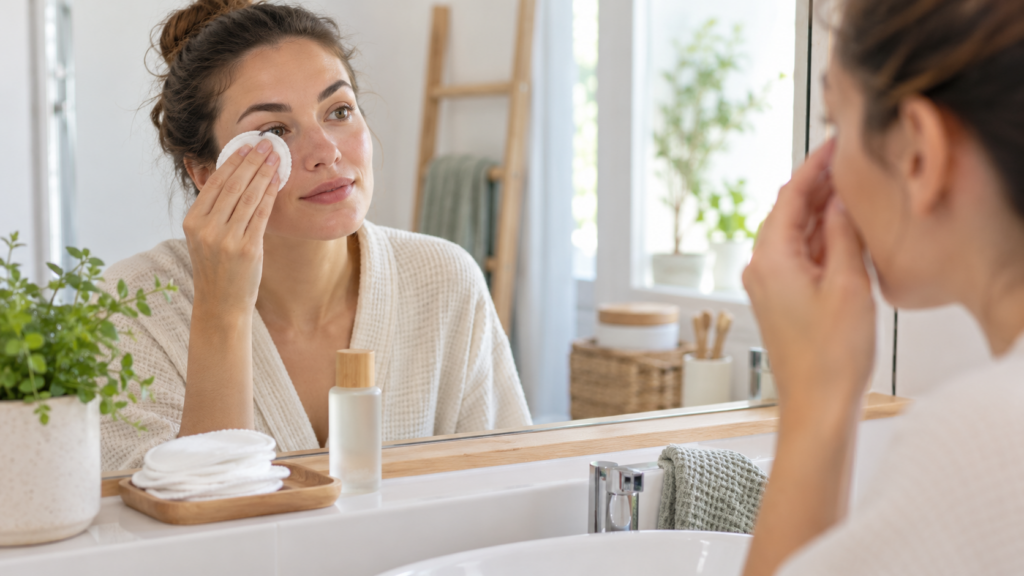
- Start with the eyes: mascaras and eyeliners are often the most stubborn to remove. Use a dedicated eye makeup remover or a cotton pad soaked in cleansing oil. Hold it gently against the eyelids for a few seconds to dissolve the makeup before wiping away carefully.
- Cleanse the face: apply your chosen product using circular motions, paying extra attention to the T-zone (forehead, nose, and chin), where makeup and sebum tend to accumulate most.
- Rinse or wipe away: depending on the formula (micellar water, oil, or milk), rinse thoroughly with lukewarm water or remove any residue with a clean cotton pad.
- Finish with a gentle cleanser (optional): double cleansing — a makeup remover followed by a gentle cleanser — helps to thoroughly remove impurities while preparing the skin for the next steps in your routine.
Mistakes to Avoid
- Rubbing too hard: this risks irritation and micro-damage, especially around the delicate eye area.
- Missing certain areas: the sides of the nose, the hairline, and the lip contour can all trap makeup residue.
- Rushing through the process: a hasty cleanse often leaves residue behind and can lead to skin discomfort come morning.
3. Tailoring Your Routine to Your Skin Type
- Dry or Sensitive Skin
Go for cleansing oils, balms or milks so you don’t put extra strain on the skin barrier. A quick rinse with lukewarm water, followed by a soothing toner, helps your skin stay comfortable.
- Combination to Oily Skin
Foaming or gel cleansers provide a fresh sensation and effectively remove excess sebum. For the initial cleanse, a lightweight cleansing oil or micellar water can work well, provided you rinse afterwards to avoid any residual film.
- Mature Skin
Cleansers enriched with nourishing actives (hyaluronic acid, peptides) can help the skin maintain its elasticity and prevent dehydration. Complete your routine with a suitable moisturizer to round off your evening ritual.
Frequently asked questions
It’s best avoided. Left on overnight, makeup mixes with sebum, pollution and the day’s grime, and it can clog your pores and encourage blackheads, blemishes or milia. Sleeping in foundation or mascara also makes it harder for your skin to regenerate overnight. Over time, this can accentuate fine lines and a loss of elasticity.
Use a dedicated eye makeup remover or a cotton pad soaked in cleansing oil. Oils and balms are good at dissolving waterproof and long-wearing formulas. Hold the pad against your eyelid for a few seconds to let the product work, then wipe away gently. Don’t rub hard: around the delicate eye area, this can cause irritation and micro-damage.
It’s recommended if your skin is reactive: rinse thoroughly with lukewarm water. Rinsing is also a good idea for combination to oily skin, so that no film is left behind. Otherwise, depending on the formula, you can simply remove any residue with a clean cotton pad.
Conclusion ✨

Makeup removal is far more than a simple formality: it is an essential step in preserving the beauty and health of your skin. Done properly, it prevents clogged pores, limits premature aging, and protects the skin from daily environmental aggressors. By choosing a product suited to your skin type and adopting the right technique, you give your complexion the cleanliness and comfort it needs to regenerate overnight.
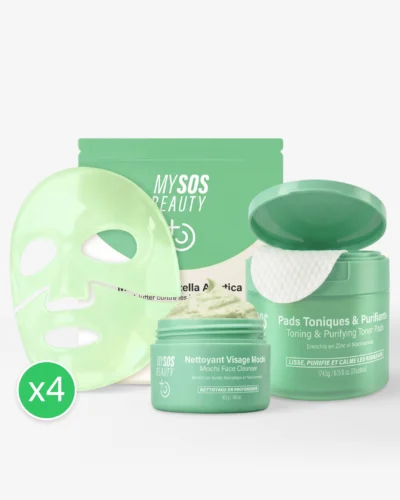
To take your routine further and discover a range of anti-aging and blemish-fighting products designed to reveal your skin’s full potential, feel free to visit My SOS Beauty. Reinvent your beauty ritual by giving your skin all the care and attention it deserves — starting with the perfect cleanse.
Related articles
- How to Reapply Sunscreen Without Ruining Your Makeup?
- Makeup and acne: how to choose your products without making breakouts worse?
- The Importance of Sleep for Skin Health: How Lack of Sleep Affects Your Appearance and How to Fix It
 -21%BEST OFFER