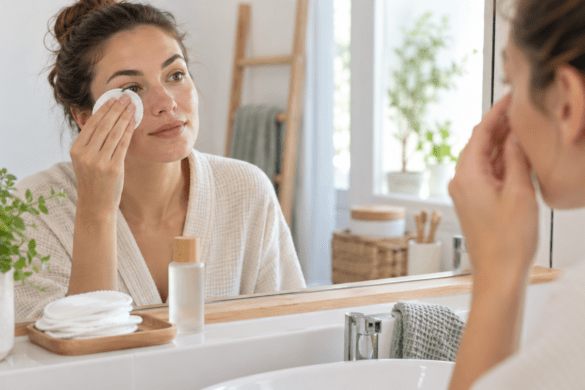
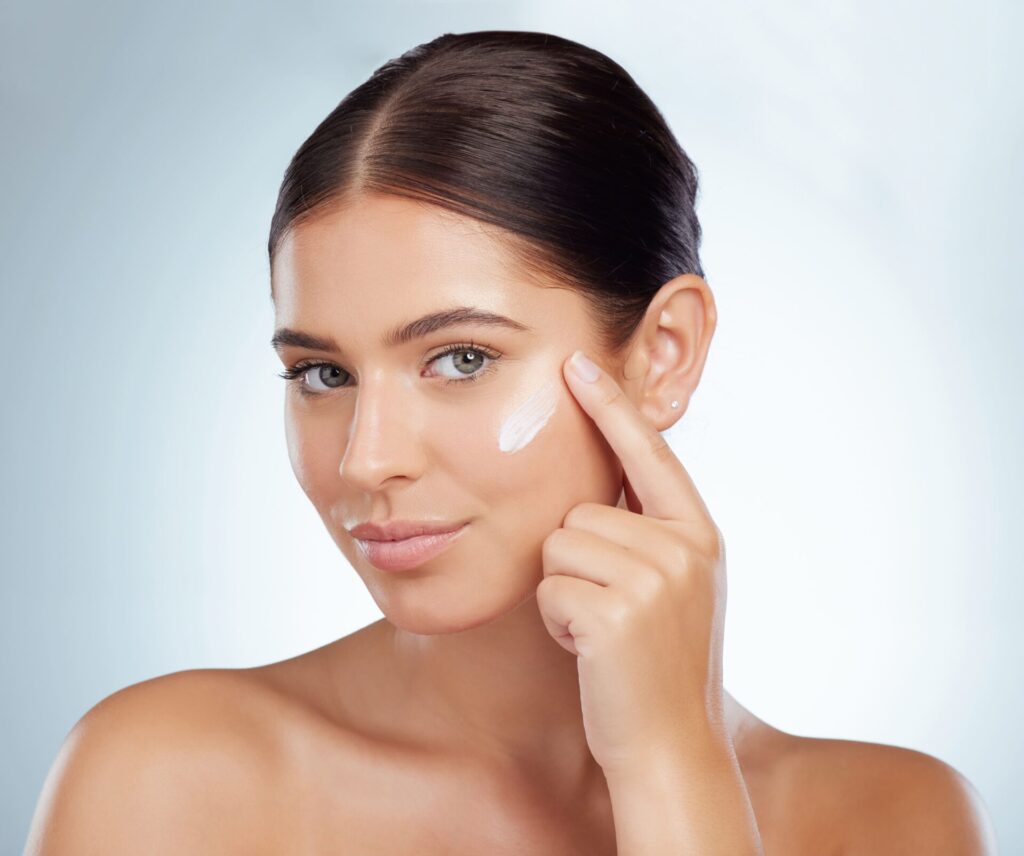
Skin pH is often mentioned on cosmetic products, but do you really know what it means — and why it’s so important for your skin’s health? Behind those two small letters lies a concept that’s essential to understand when choosing the right skincare. Let’s explore how skin pH works, why keeping it balanced matters, and how to make the right choices to preserve or restore that balance.
What is skin pH and how does it work?
pH is short for “power of hydrogen” and indicates how acidic or alkaline a substance is, on a scale from 0 (most acidic) to 14 (most alkaline).
- pH of 7: neutral (like pure water 💧)
- Below 7: acidic (lemon juice, vinegar 🍋)
- Above 7: alkaline (traditional soap 🧼)
Skin naturally has a slightly acidic pH, sitting around 5.5. This balance, known as the hydrolipidic film, is a natural protective barrier that helps the skin defend itself against external aggressors such as bacteria, pollution, and dehydration.
When this balance is disrupted, skin pH can lead to issues such as:
- Dryness and irritation
- Increased blemishes (acne, redness)
- Loss of radiance and premature ageing
What are the signs of a skin pH imbalance? 🔍
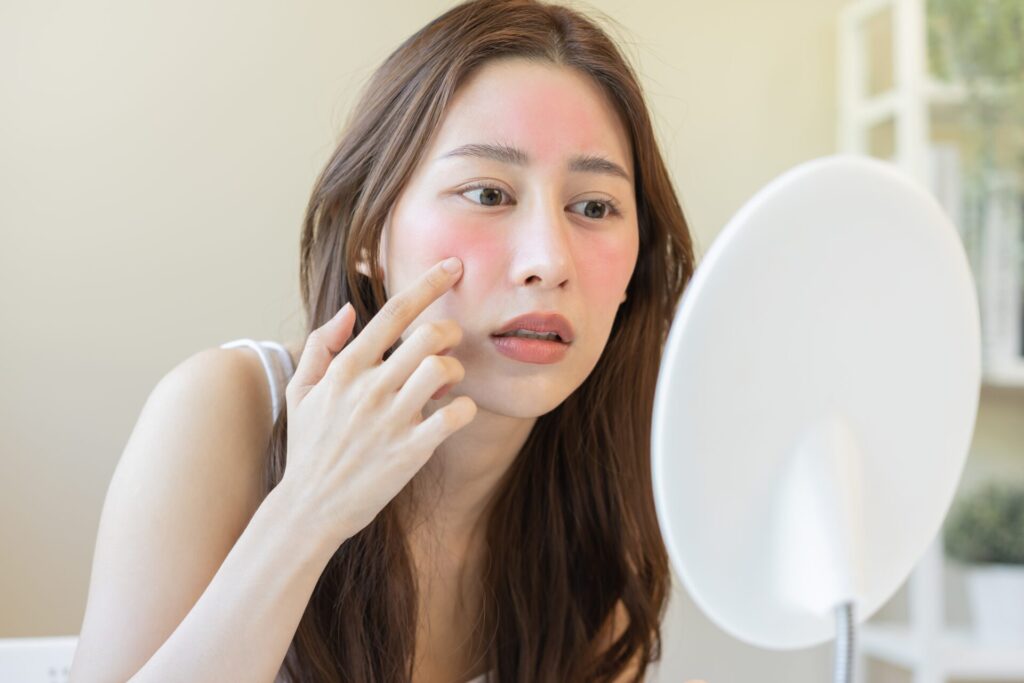
Spotting the signs of a pH imbalance early allows you to act effectively. Here’s how your skin sends the signal:
- A tight feeling after cleansing: a sign of an overly alkaline pH, often caused by harsh soaps.
- Sudden breakouts or blackheads: an imbalanced pH disrupts the skin microbiome, encouraging blemishes to appear.
- Recurring redness or increased sensitivity: a disrupted pH weakens the skin barrier, making your complexion more reactive.
- Dull skin and lack of radiance: a sign that the skin is struggling to renew itself, often due to an overly alkaline pH or insufficient hydration.
If any of these signs sound familiar, it may be time to rethink your beauty routine.
Why maintaining your skin’s pH balance is essential 🌿
- Keeping a strong protective barrier:
Your skin is constantly up against external aggressors — pollution, bacteria, climate. A balanced pH (around 5.5) is key to keeping that barrier strong. An imbalanced pH — whether too alkaline or too acidic — can lead to:
- Increased water loss (dehydrated, uncomfortable skin).
- Greater penetration of harmful bacteria, raising the risk of acne.
- Sensitised, irritated, or inflamed skin.
- Preserving a balanced microbiome:
The skin naturally hosts a microbiome made up of beneficial bacteria. When pH is stable, these good bacteria help protect the skin and keep it comfortable, with balanced sebum. If the pH shifts, the natural flora becomes disturbed, which can promote break-outs and ongoing inflammation.
- Optimising the effectiveness of your skincare:
Certain cosmetic actives require a specific pH to work at their best. For example:
- Exfoliating acids (AHA/BHA) work most effectively at a pH of around 3.5 to 4.
- Stabilised vitamin C performs best at a slightly acidic pH (3 to 4.5).
- Peptides and ceramides require a pH close to that of the skin (around 5.5) to support the skin barrier.
How to choose and apply your skincare based on your skin’s pH 🌟
1. Choose gentle cleansers suited to sensitive skin
Cleansing is the most important step. Avoid classic alkaline soaps, which strip away the skin’s protective film. Instead, opt for:
- Gentle cleansers with a physiological pH (around 5.5).
- Soothing cleansing gels enriched with hydrating or probiotic ingredients to support the skin barrier.
2. Never over-exfoliate your skin
Exfoliating too often can seriously disrupt skin pH. Here’s what to keep in mind:
- Use gentle chemical exfoliants (lactic acid, mandelic acid, or fruit enzymes) no more than 1 to 2 times per week.
- Stick to lighter concentrations (3 to 8%) to avoid any irritation.
3. Use rebalancing moisturisers
Your daily moisturiser can help restore the skin barrier. Look for:
- Formulas rich in hyaluronic acid (for deep hydration).
- Products containing ceramides, essential fatty acids, or niacinamide (can help strengthen the protective barrier).
4. Incorporate probiotic or prebiotic skincare
These innovative formulas can nourish the skin’s beneficial bacteria, may help rebalance the microbiome, and may help protect the skin barrier.
Ideally, apply them in the evening to allow them to work overnight.
A few simple daily habits to keep your skin in balance

Alongside a tailored skincare routine, here are a few essential tips for maintaining your skin’s pH:
- Avoid water that’s too hot or too cold when cleansing your face — lukewarm is best.
- Limit contact time with tap water, which is often alkaline: after washing your face, give it a quick rinse with thermal water or apply a gentle pH-balanced toner.
- Avoid harsh gestures: vigorously rubbing your skin with a towel disrupts its natural balance.
Frequently asked questions
Typical clues include a tight, uncomfortable feeling after washing, sudden break-outs or blackheads, recurring redness or heightened sensitivity, and a dull, lack-lustre appearance. These symptoms usually point to a weakened barrier and a disturbed skin microbiome caused by an overly alkaline or overly acidic surface.
Look for gentle cleansers that list a pH around 5.5 – this matches the skin’s natural level. Avoid traditional alkaline soaps that strip the protective film. Cleansing gels or milky washes enriched with hydrating or probiotic ingredients can further support the barrier while keeping the surface comfortably balanced.
Exfoliating acids such as AHA and BHA are most effective at a pH of roughly 3.5-4, while stabilised vitamin C performs best between pH 3 and 4.5. At these acidic levels the actives can penetrate the skin efficiently without causing excessive irritation, allowing them to deliver their intended benefits.
Wash your face with lukewarm water rather than very hot or cold water, and try to keep contact with tap water – which can be alkaline – brief. Follow up with a quick rinse of thermal water or a gentle pH-balanced toner, and pat your skin dry instead of rubbing vigorously with a towel.
Conclusion: an essential balance for radiant skin ✨
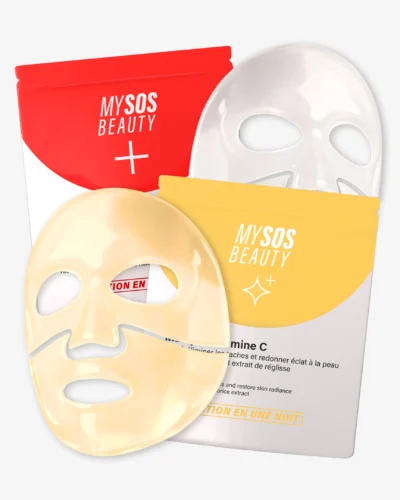
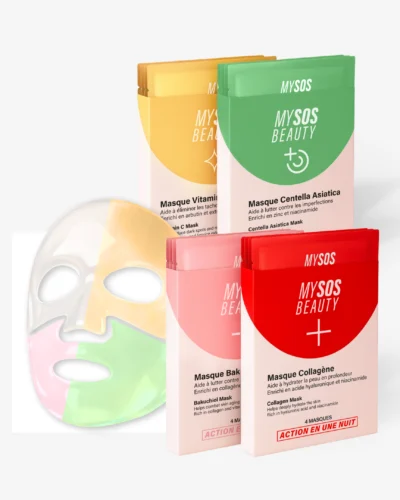
Understanding and respecting your skin’s pH is a key step in preserving its health, beauty, and long-term balance. By choosing the right products, you protect your skin from external aggressors and get the most out of your skincare routine. To discover blemish-fighting and anti-ageing formulas specially designed to meet your needs while respecting your skin’s delicate balance, head over to My SOS Beauty!
Treat your skin with care and let its natural radiance shine through. 🌸
Related articles
- Does beauty sleep really exist? Everything you need to know about overnight skin regeneration
- Understanding Active Ingredients: Which Ones Can You Really Combine?
- Why Does the Eye Contour Need Specific Care and How to Choose the Right One?
 -44%LIMITED OFFER