Smartphones, laptops, tablets and TVs: most of us spend several hours a day looking at screens. The article explores how screen time, including exposure to blue light, may affect the appearance of our skin.
You’ll find out what blue light is and learn about the potential links between screen time, skin aging, sleep and low-grade inflammation. We’ll also look at the benefits of taking regular breaks from screens and share simple tips for your daily routine.
Blue light: what exactly is it?
Blue light, also called HEV (high-energy visible) light, is part of the visible light spectrum. The sun gives it off naturally, but it also comes from artificial sources such as the LED screens we’re surrounded by every day. Unlike UV rays, which mainly affect the surface layers of the skin, blue light reaches deeper into the dermis — the layer that contains the collagen and elastin fibers that keep skin youthful and supple.
What’s the problem?
- This light may trigger increased oxidative stress, which can lead to an excess production of free radicals — unstable molecules thought to contribute to accelerated skin aging.
- It directly contributes to the appearance of premature wrinkles, loss of skin firmness, hyperpigmentation (dark spots) and a duller complexion.
What real effects does screen time have on the skin? 💻
- Accelerated premature aging
According to several recent dermatological studies, long periods of daily exposure to blue light can speed up the aging of skin cells. This is linked to the breakdown of collagen and slower cell renewal, which leaves skin thinner, less able to cope with external stressors and quicker to show wrinkles.
- Disruption of the circadian rhythm and sleep
Evening screen exposure can disrupt melatonin production, the hormone that regulates sleep cycles. Poor or insufficient sleep can impact the skin’s overnight regeneration — the period during which it renews, regenerates and naturally recovers. The result: a complexion that can look dull and tired, with pronounced dark circles and an overall loss of radiance.
- Increased skin inflammation
Spending too long in front of screens also puts the body under stress, which can keep a low level of inflammation simmering away. Over time, this ongoing inflammation can weaken the skin barrier, make existing skin conditions such as acne, eczema or psoriasis worse and speed up skin aging overall.
The benefits of a regular digital detox 🌿

Regularly reducing your screen time can help your skin restore its natural balance:
- Reduced oxidative damage: By limiting blue light exposure, you may help protect your collagen and slow the appearance of wrinkles and pigmentation spots.
- Potentially improved complexion: With less exposure to constant oxidative stress, your skin may gradually regain its natural radiance, a more even tone and a less fatigued appearance.
- Potentially better, more restorative sleep: By stopping screen use one to two hours before bedtime, you may encourage the natural secretion of melatonin, which can help support your skin’s overnight regeneration.
Practical tips to reduce the negative impact of screens on your skin
Here are some easy recommendations to incorporate into your daily routine:
- Cut down on evening screen use: Try to stop all screen exposure at least 1 hour before bed. Replace that time with relaxing activities such as reading or meditation.
- Use blue light filters: Most modern devices now feature a “Night Shift” or blue light filter mode. Remember to activate it in the evenings.
- Choose antioxidant skincare: Serums or creams formulated with vitamin C, vitamin E, polyphenols or niacinamide can help protect against the free radicals generated by blue light.
- Add antioxidants to your diet: Foods rich in antioxidants (berries, green tea, nuts, leafy greens…) help counteract the effects of oxidative stress.
- Take regular breaks: Short breaks (10 minutes every hour) to stand up, move around and step away from your screen help limit the overall impact on your body.
The My SOS Beauty approach: a range dedicated to mature skin 🌟
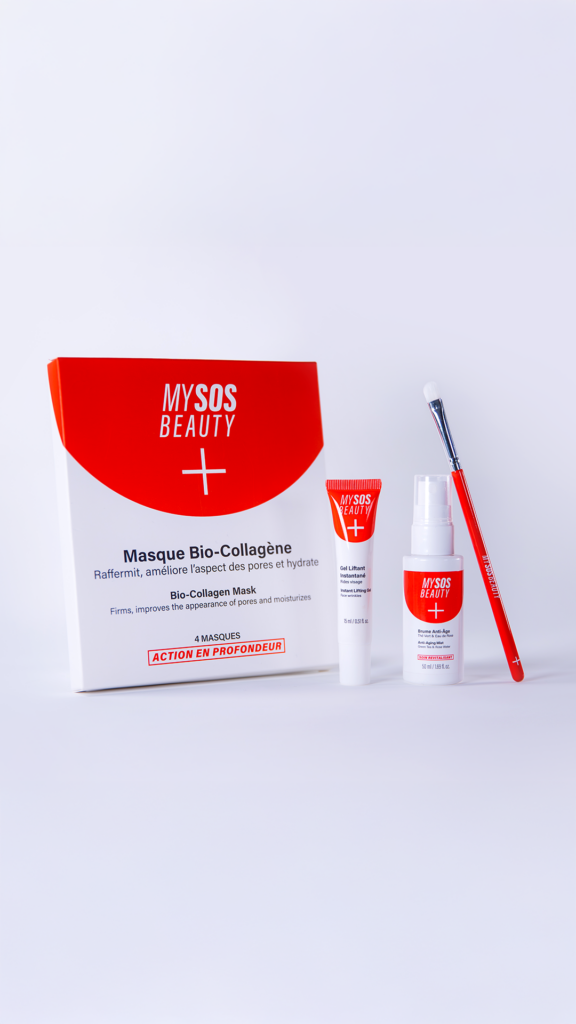
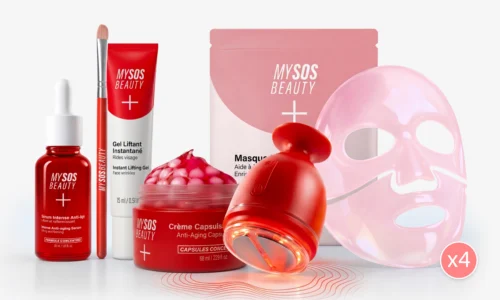
At My SOS Beauty, we know the challenges that mature skin faces. Our anti-aging skincare range is designed to tackle the signs of aging and bring back your skin’s natural radiance. Alongside the tips above, our products offer a well-rounded way to help soften the signs of aging, while giving your skin back its smoothness and firmness. Discover our complete anti-aging routine and start making it part of your daily life today.
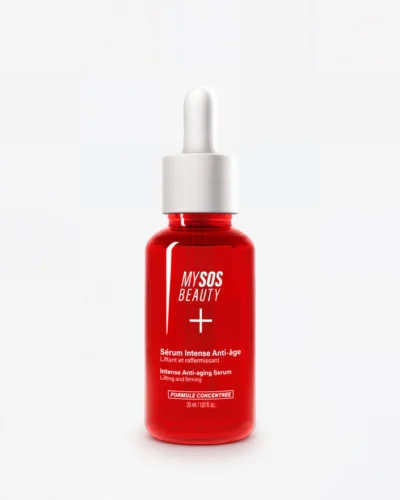
For smoother, firmer skin
- Intense hydration, soft touch
- Gentle alternative to retinol
- 99.4% naturally derived ingredients
Frequently asked questions
Blue light reaches down into the dermis, where the collagen and elastin fibers are found. It can trigger oxidative stress and an excess of free radicals. Prolonged daily exposure may therefore contribute to premature wrinkles, a loss of firmness, dark spots and a duller complexion.
Using screens in the evening can disrupt the production of melatonin, the hormone that regulates sleep. Night-time is key for skin renewal, so too little sleep or poor-quality sleep can leave it looking dull and tired, with noticeable dark circles and less radiance.
Try to switch off all screens at least an hour before bed, ideally one to two hours. This encourages your body’s natural production of melatonin and better-quality sleep. Use that time for something relaxing, such as reading or meditation. In the evening, remember to turn on the blue light filter on your devices too.
For skincare, serums or creams containing vitamin C, vitamin E, polyphenols or niacinamide can help fight free radicals. As for your diet, go for foods rich in antioxidants, such as berries, green tea, nuts and leafy greens, which may help counteract the effects of oxidative stress.
The stress of spending too much time on screens can keep a low level of inflammation going. This can weaken the skin barrier and may aggravate existing skin conditions such as acne, eczema or psoriasis. If this applies to you, see a dermatologist for advice tailored to your skin.
Conclusion ✨
By reducing your exposure to blue light from screens, you may help limit oxidative stress, improve your sleep and contribute to slowing down premature skin aging. Combined with healthy lifestyle habits and a tailored beauty routine, a digital detox can be one step towards helping preserve the youthfulness and natural beauty of your skin in the long run.
Take the time to disconnect regularly — your skin will thank you!
Related articles
- The gut-skin axis: how digestive health can affect skin aging
- The 5 Anti-Aging Mistakes 90% of Women Make Without Knowing It
- High frequency: the treatment that boosts radiance, smooths wrinkles and helps fight blemishes
Useful categories: Anti-Aging.
Skin looks smoother
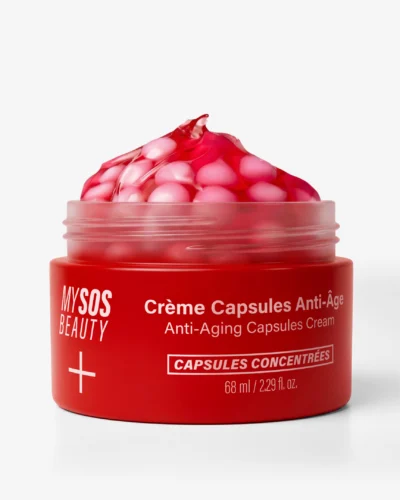
- Concentrated encapsulated actives
- With Ectoine and Retinal
- 88.5% naturally-derived ingredients