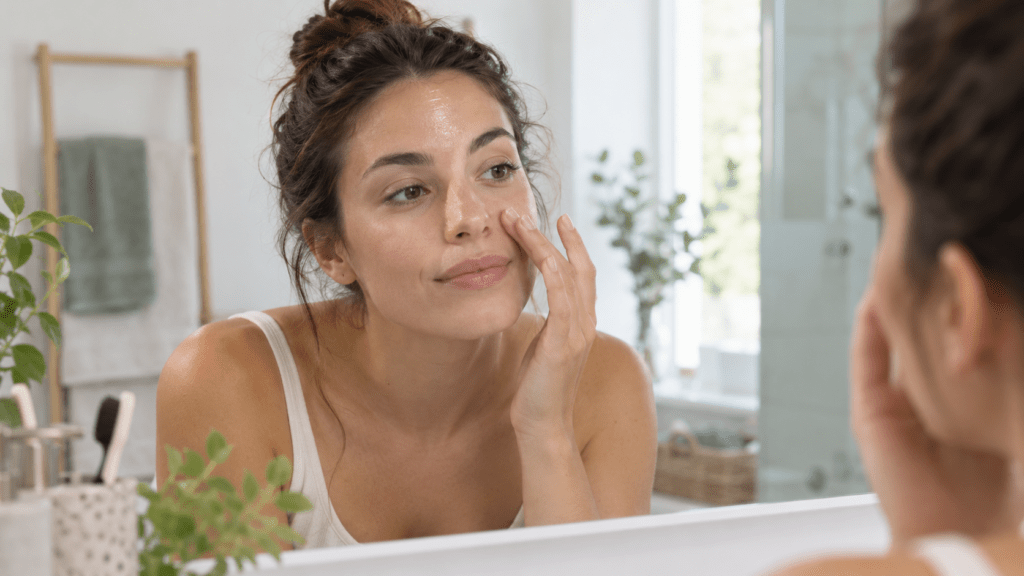
Sebum is a natural oil that keeps our skin supple and protected, but when it’s produced in excess it can cause unwanted shine, enlarged pores and frequent blemishes. Understanding why the skin can become over-active, learning how to spot oily or combination types, and knowing which steps to take can make a real difference. In this article we’ll explore the reasons behind excess sebum and share practical, everyday advice to help you achieve a clearer, more balanced complexion.
An enlarged pore can stay easy to see when no blackhead is sitting in the opening.
What is sebum, and why do we need it?
Sebum is a naturally occurring oily substance produced by the sebaceous glands, located just beneath the skin’s surface. Composed primarily of lipids, it plays a vital role:
- Natural hydration: It forms a protective film on the surface of the epidermis, preventing water from evaporating too quickly.
- Antimicrobial protection: It acts as a protective barrier against bacteria and environmental aggressors.
- Suppleness and elasticity: It keeps skin soft, supple, and youthful-looking.
In balanced amounts, sebum actively contributes to healthy skin. It is only when produced in excess that imbalances begin to appear.
Why does skin produce too much sebum?
Several factors can explain excess sebum production:
- Hormones: Hormonal fluctuations (puberty, menstrual cycle, pregnancy, menopause) stimulate the sebaceous glands, triggering temporary or lasting overproduction.
- Stress: Cortisol, the stress hormone, indirectly increases sebum production.
- Genetics: Some people are naturally predisposed to oily skin.
- Diet: A diet high in refined sugars, dairy products, or saturated fats can contribute to excess sebum.
- Unsuitable skincare: Using overly harsh or overly rich cosmetics can disrupt the skin’s natural balance and trigger a sebum rebound effect.
Clearly identifying these causes will help you target your skincare routine more effectively.
How to recognize excess sebum on your skin?
Skin prone to excess sebum typically shows:
- Persistent shine, especially in the T-zone (forehead, nose, chin).
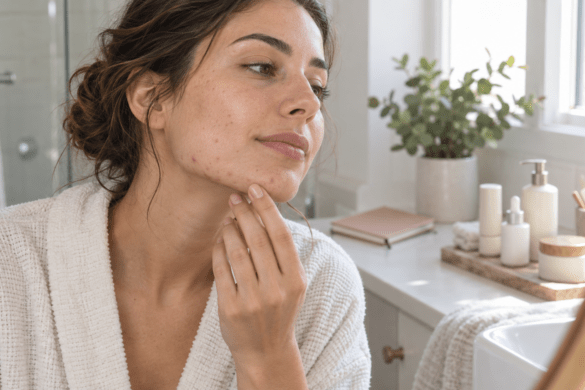
- Enlarged pores, often visible to the naked eye.
- Frequent blemishes, such as spots, blackheads, or milia.
- Makeup that doesn’t last throughout the day.
Recognizing these signs is the first step toward choosing a skincare routine that truly works for your skin.
How to help regulate sebum: Practical step-by-step tips
Step 1: A gentle yet effective daily cleanse 🧴
Avoid overly stripping products, as they can actually stimulate the sebaceous glands further. Opt for gentle cleansers formulated for combination to oily skin, which remove impurities, excess sebum, and pollution without compromising the skin barrier.
- Tip: cleanse both morning and night. In the evening you might try a double cleanse – a cleansing oil followed by a gentle gel cleanser – for a more thorough clean.
Step 2: Regular, moderate chemical exfoliation 🧖🏻♀️
Chemical exfoliants containing salicylic acid (BHA) or glycolic acid (AHA) help regulate sebum, unclog pores, and refine skin texture with a gentle touch.
- Tip: use the exfoliant once or twice a week to avoid overstimulating the skin.
Step 3: Hydrate without weighing skin down 💧
Contrary to popular belief, oily skin still needs hydration — without it, the skin compensates by producing even more sebum. Use a lightweight, non-comedogenic moisturizer to maintain optimal balance.
- Tip: choose moisturizers that contain hyaluronic acid, aloe vera or niacinamide – ingredients that hydrate while helping to keep sebum production in check.
Step 4: Use targeted blemish-fighting treatments 🎯
Targeted treatments are your best allies against excess sebum and breakouts. Look for ingredients such as salicylic acid, zinc, or niacinamide, which are commonly used for oily skin.
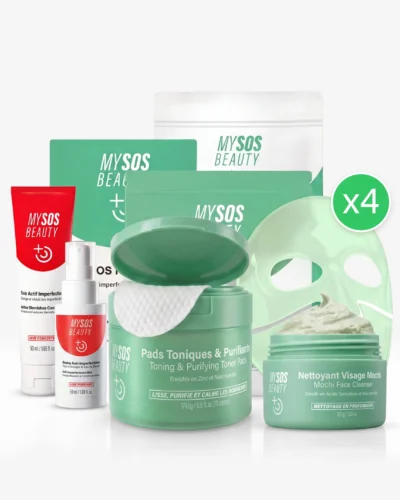
My SOS Beauty Solutions: A dedicated range to help combat blemishes 🌟
At My SOS Beauty, we have developed products specifically designed to address skin concerns, including blemishes linked to excess sebum:
- Soin Actif Anti-Imperfections: Powered by salicylic acid, this gel helps purify the skin, helps unclog pores, helps soothe the look of spots, and helps limit the appearance of new blemishes.
- Brume Anti-Imperfections: Convenient and soothing, it helps reduce shine throughout the day, refreshes the skin, and soothes it with its calming action.
- SOS Patchs Hydrocolloïdes: These patches work directly on blemishes by absorbing impurities. They also shield spots from external aggressors and reduce the temptation to touch them, which helps lower the risk of marks.
- Routine Complète Anti-Imperfections: An all-in-one solution for clearer, more balanced-looking skin.
Additional tips to help regulate sebum naturally 🌱
Alongside your daily skincare routine, here are a few habits worth adopting:
- Embrace a balanced diet: rich in vegetables, fruits, and oily fish (omega-3s), to help support balanced skin.
- Cut back on high-glycaemic foods: sweets, pastries, fizzy drinks… which indirectly contribute to excess sebum.
- Build a stress-management routine: meditation, yoga, or breathing exercises to better manage stress.
Frequently asked questions
Sebum is a natural oil produced by the sebaceous glands. It forms a protective film that helps keep water from evaporating too quickly, acts as a barrier against bacteria and environmental aggressors, and helps keep skin soft and supple. In balanced amounts, it helps keep skin balanced. Shine and blemishes tend to appear only when it’s produced in excess.
Yes, both can play a role. Cortisol, the stress hormone, may indirectly increase sebum production, and a diet high in refined sugars, dairy products or saturated fats can also contribute. Hormonal fluctuations, genetics and overly harsh or overly rich skincare products are other possible factors. Pinpointing your own triggers can help you target your routine more effectively.
Yes. Contrary to popular belief, oily skin still needs hydration. Without it, skin may compensate by producing even more sebum. Reach for a lightweight, non-comedogenic moisturizer. Formulas with hyaluronic acid, aloe vera or niacinamide are good options to hydrate without weighing skin down while helping it stay balanced.
A chemical exfoliant can be used once or twice a week to avoid overstimulating your skin. Formulas with salicylic acid (BHA) or glycolic acid (AHA) help unclog pores and gently refine skin texture. It’s also best to skip overly stripping cleansers, since they can push the sebaceous glands to produce even more sebum.
Consistency is key. Gentle cleansing morning and night, lightweight hydration and targeted skincare with ingredients such as salicylic acid, zinc or niacinamide may help reduce the look of blemishes. A balanced diet and better stress management can also contribute. If spots or microcysts persist, don’t hesitate to see a dermatologist.
In summary: For balanced skin, consistency is the secret ✨
Excess sebum is not inevitable. By understanding why your skin overproduces sebum, adopting a tailored routine, and using targeted products like those from My SOS Beauty, you can help restore a clearer, more balanced-looking complexion. To explore our skincare range dedicated to blemish-prone skin, visit My SOS Beauty. Your skin deserves a routine made just for it!
Related articles
- Post-acne care: How to help reduce the appearance of scars and marks left by blemishes
- Back and body acne: understanding the causes to find effective solutions
- Menstrual cycle and breakouts: understanding and anticipating hormonal acne flare-ups
Useful categories: Blemishes.
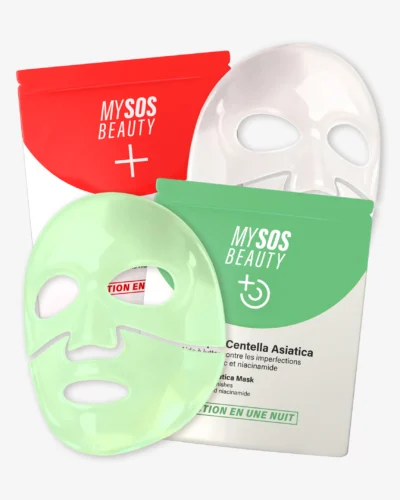

Helps reduce the appearance of imperfections
- Soothes redness
- Prevents the appearance of new pimples
- 95.9% natural formula