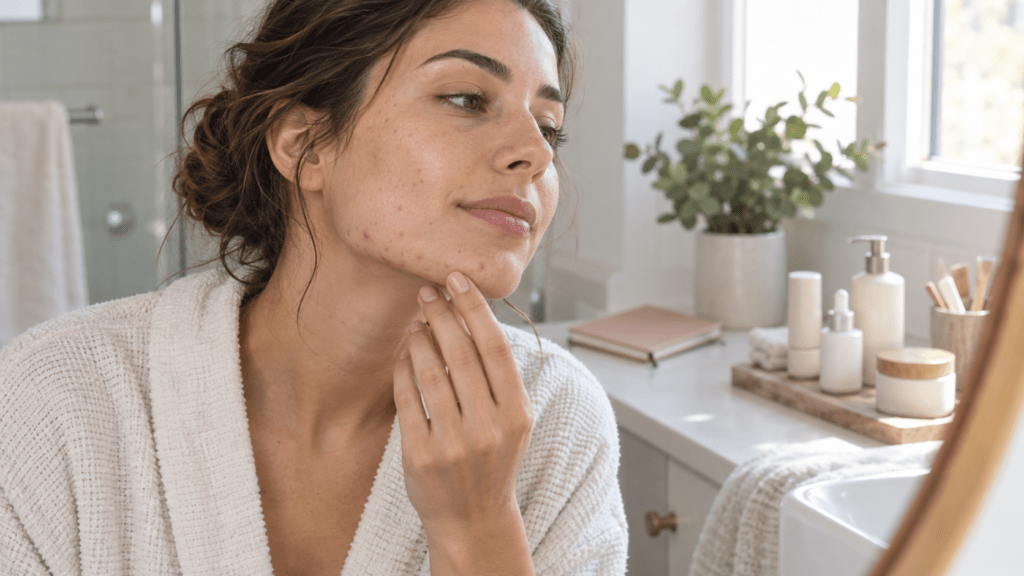
Hormonal acne isn’t just a teenage nuisance – it often shows up in adulthood, especially along the jawline, chin and lower cheeks. Fluctuations in estrogen, progesterone and androgens can drive excess oil and inflammation, meaning breakouts may flare up before your period, after giving birth or during menopause. In this article we’ll look at how these hormones affect sebum, how to spot hormonal acne and which tweaks to your skincare routine and lifestyle can help keep the blemishes under control.
1. How Hormones Influence Acne
The Role of Estrogen and Progesterone
Two main hormones drive the monthly cycle – estrogen, which peaks in the first half, and progesterone, which dominates the second half. Higher estrogen levels generally keep the skin clearer and more balanced, whereas the luteal rise in progesterone and other androgens such as testosterone and DHEA can boost oil production, leading to blocked pores and the development of blemishes.
Androgens: The Triggering Factor
Androgens play a central role in acne, as they stimulate the sebaceous glands. Excess sebum combined with skin bacteria and dead cells often leads to inflammatory acne of varying severity — papules, pustules, or even cysts. Hormonal shifts related to pregnancy, the postpartum period, or menopause can further amplify these mechanisms.
2. Identifying Hormonal Acne
Hormonal acne is often distinguished by:
- Localized breakouts: Primarily along the jawline, chin, or lower cheeks.
- Cystic or nodular blemishes, sometimes more painful, that recur at regular intervals.
- A clear temporal link to specific phases of the cycle (just before menstruation, for example) or to a particular hormonal context (pregnancy, menopause).
Since hormonal acne is directly linked to internal changes, managing it requires a strategy that considers the body’s overall state, as well as external influences like stress or diet.
3. Adapting Your Routine and Lifestyle to Hormonal Fluctuations
In the Lead-Up to Your Period
- Step up prevention: If you know your skin tends to break out in the week before your period, apply our active blemish-fighting treatment more consistently to your usual problem areas.
- Lightweight hydration: Opt for non-comedogenic formulas to avoid a rebound effect if your skin is already producing excess sebum.
After Childbirth (Postpartum)
- Be mindful of active ingredients: If you are breastfeeding, check the compatibility of certain ingredients (strong retinoids, etc.).
- Prioritize gentleness: A non-stripping cleanser, a mild anti-blemish gel, and a nourishing moisturizer to compensate for the skin’s heightened sensitivity.
Perimenopause / Menopause
- Combine anti-aging and anti-blemish care: Formulas containing retinol, peptides, and actives known to help regulate sebum (salicylic acid, zinc) can coexist in a routine aimed at both goals.
- Watch for dryness: The skin generally produces less sebum overall, yet localized peaks can still occur. A richer cream on dry areas paired with a targeted treatment on the T-zone offers a smart balance.
As a General Rule
- A gentle cleanser: Avoid stripping the skin, which can stress it and trigger a rebound effect.
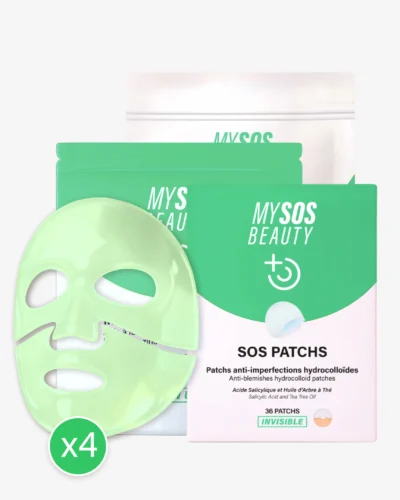
- A targeted treatment: A gel, serum, or patches to help calm a blemish before it becomes inflamed.
- A balanced lifestyle: A diet rich in omega-3s and antioxidants, along with stress management techniques (yoga, meditation), all contribute to hormonal balance.
4. My SOS Beauty: Targeted Skincare for Acne and Blemish-Prone Skin.
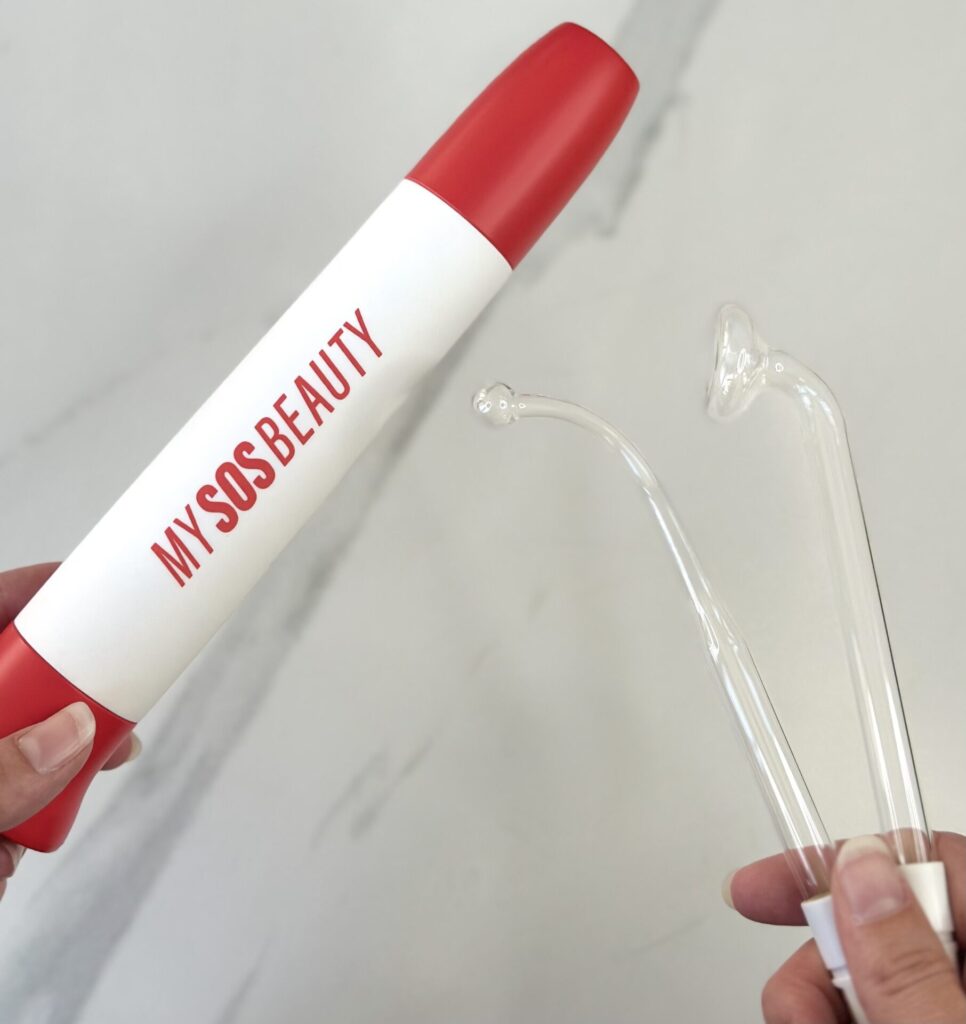
When caring for skin prone to hormonal acne, consider products that can help regulate sebum production, help soothe the look of inflammation, and support the skin barrier. On our site My SOS Beauty, you will find:
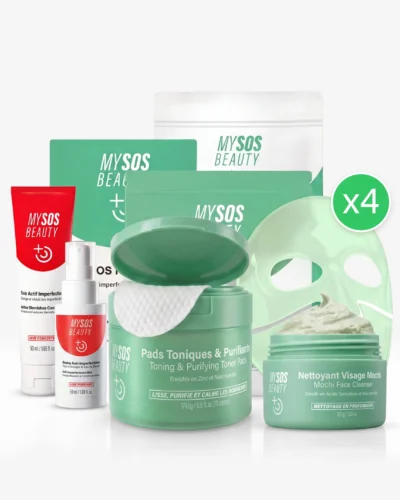
- The complete anti-blemish routine: Discover our anti-blemish routine — your ultimate ally for clearer-looking skin. This all-in-one solution brings together our hero products, specially formulated to help target existing blemishes while helping to limit their return. Give your skin the complete care it deserves and help reveal a naturally radiant, more even-looking complexion. Help keep blemishes at bay and say hello to glowing skin.
- The high-frequency device: A helpful ally in caring for skin prone to hormonal acne — this device can help stimulate blood circulation and encourage cell renewal. Used 2 to 3 times per week in sessions of up to 15 minutes, it can help enhance the effectiveness of the anti-blemish routine and support the skin’s overall vitality.
By combining these treatments with a balanced diet, proper hydration, and stress management techniques, you give yourself every advantage in keeping hormonal acne under control — even when your hormones have other ideas.

Helps reduce the appearance of imperfections
- Soothes redness
- Prevents the appearance of new pimples
- 95.9% natural formula
Frequently asked questions
Hormonal acne typically appears in a band across the lower face – most often on the jawline, chin and the lower part of the cheeks – where the pores tend to be more reactive to hormonal shifts.
During the luteal phase, progesterone and androgen levels rise, which can increase sebum output. The extra oil can block pores and encourage the formation of inflammatory lesions such as papules or pustules.
If you’re breastfeeding, it’s wise to check that potent actives – for example strong retinoids – are compatible with nursing. Opt for a gentle cleanser, a soft anti-blemish gel and a nourishing moisturiser to respect the skin’s heightened sensitivity.
Combine actives reputed to help reduce the appearance of signs of aging, such as retinol or peptides, with ingredients reputed to help regulate sebum, like salicylic acid or zinc. Keep an eye on overall dryness – use a richer cream on dry patches while targeting the T-zone with a lighter product reputed to help regulate sebum.
Conclusion ✨
Hormonal acne can feel frustrating and difficult to eliminate, as it is directly driven by internal mechanisms. However, by identifying the key moments (premenstrual, postpartum, perimenopause) and adopting a tailored routine — targeted treatments, a gentle cleanser, a high-frequency device — you can help reduce the impact of these flare-ups. Respecting the skin barrier, combined with a healthy lifestyle, can help support the appearance of clearer, more stable skin and greater confidence, even when hormones decide to play up.
Related articles
- Fungal Acne vs. Classic Acne: How to Tell Them Apart and Treat Them Effectively
- Post-acne care: How to help reduce the appearance of scars and marks left by blemishes
- Menstrual cycle and breakouts: understanding and anticipating hormonal acne flare-ups
Useful categories: Blemishes.
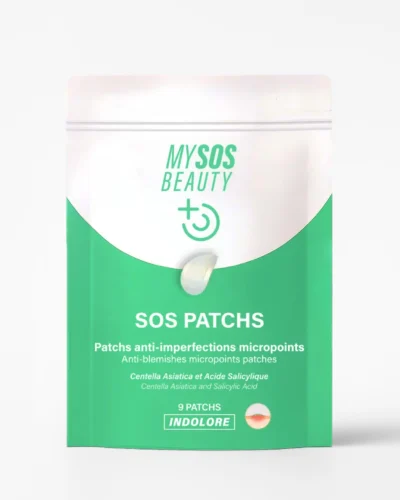
Targets subcutaneous pimples
- Actives delivered to the heart of the pimple
- Works in 6 to 8 hours
- Comfortable to wear