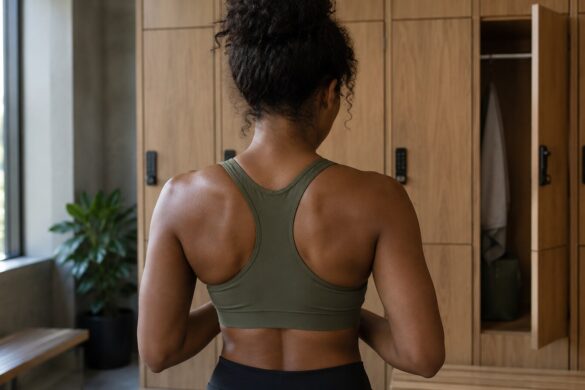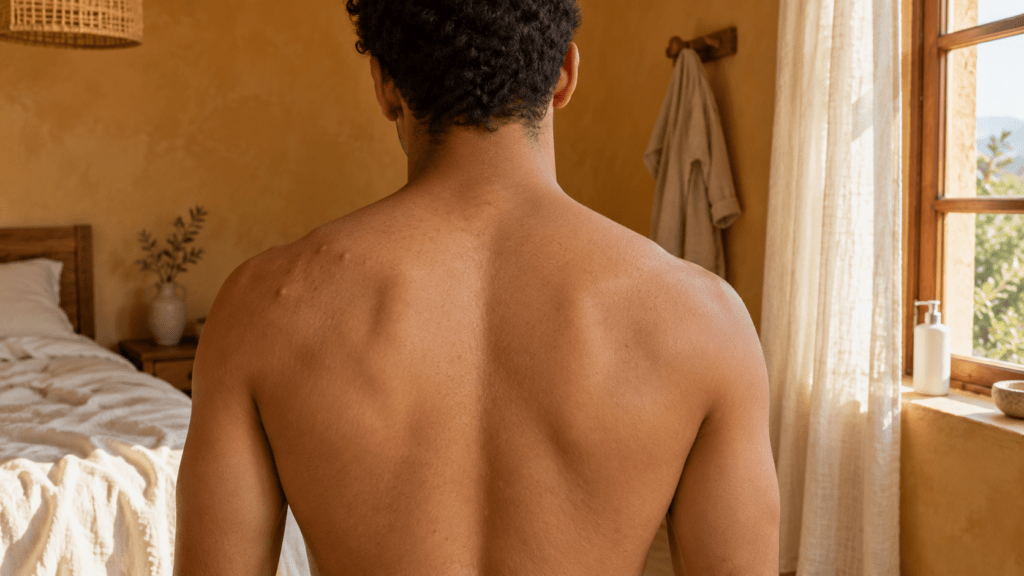
Acne isn’t limited to the face – it can also appear on the back, chest, shoulders or other parts of the body. In this article we’ll explain how the skin on these areas behaves, what can set off breakouts and which everyday adjustments can help keep them under control. We’ll cover the right skincare steps, lifestyle tweaks and the signs that it’s time to seek professional advice.
What exactly is body acne? 💡
Just like on the face, body acne is primarily caused by the clogging and inflammation of hair follicles due to excess sebum, dead skin cells, or bacteria (particularly Cutibacterium acnes, formerly known as Propionibacterium acnes).
However, because the skin on the back and chest is thicker and contains more sebaceous glands, acne in these areas can be more severe, with deeper blemishes that may sometimes leave scars.
There are generally three types:
- Blackheads and whiteheads: build-ups of sebum and dead skin cells.
- Inflammatory red spots: the skin’s response to a localised bacterial infection.
- Deep cysts and nodules: painful, subcutaneous lesions that take longer to heal and are more likely to leave marks.
The real causes of back and body acne 🔍
Several factors can trigger or worsen body acne, including:
1. Hormonal factors: Hormonal fluctuations play a major role, particularly during adolescence, periods of intense stress, or hormonal changes such as menstruation, pregnancy, or menopause. A rise in androgen hormones stimulates the sebaceous glands, encouraging breakouts.
2. Sweat and friction: Tight, synthetic, or poorly ventilated clothing promotes excessive sweating and traps bacteria, causing skin irritation — often referred to as “mechanical acne”. Regular exercise without proper post-workout skincare can also worsen breakouts.
3. Unsuitable skincare products: Heavily fragranced shower gels or overly rich body lotions can clog pores and create an environment where bacteria thrive.
4. Diet and lifestyle: Diets high in high-glycaemic foods (sugary snacks, processed meals, fast food) or excessive dairy consumption are sometimes linked to acne flare-ups.
5. Chronic stress: Prolonged stress increases cortisol production — a hormone that can disrupt overall hormonal balance and trigger excess sebum production.

Helps reduce the appearance of imperfections
- Soothes redness
- Prevents the appearance of new pimples
- 95.9% natural formula
How to tackle body acne: recommended methods
Step 1: Gentle but consistent cleansing 🚿
- Choose a mild, soap-free cleanser with a neutral or slightly acidic pH.
- Look for formulas containing gentle purifying actives such as salicylic acid, gluconolactone, or zinc.
- Cleanse your skin as soon as possible after sweating (exercise, heat).
Step 2: Regular but gentle exfoliation 🧽
- Opt for a light chemical exfoliant (glycolic acid, salicylic acid) used 1 to 2 times per week.
- Avoid abrasive scrubs, which can further sensitise the skin.
Step 3: Targeted spot care 🎯
- Products containing salicylic acid, azelaic acid, or benzoyl peroxide are often recommended for body acne; for moderate to severe cases, ask a dermatologist for advice.
- Apply these products directly to affected areas, typically in the evening.
Step 4: Prevention and appropriate moisturising 💧
- Moisturise with lightweight, non-greasy, non-comedogenic textures.
- Wear breathable clothing (cotton or natural fabrics), and change your bedding regularly.
Step 5: Minimising lifestyle triggers 🧘🏻♀️
- Adopt a balanced diet rich in fiber, omega-3s, fruits, and vegetables, which contributes to your skin’s overall balance.
- Manage stress as much as possible through gentle practices such as yoga, meditation, or relaxation techniques.
Extra tips: effective home remedies 🌿
- Tea tree essential oil bath: a few drops mixed into a gentle shower gel can help purify and soothe the skin.
- Warm compresses: for painful spots, apply a warm (not hot) compress for a few minutes to help soothe the inflamed area and help blemishes clear naturally.
When should you see a dermatologist? 🩺

Don’t hesitate to consult a healthcare professional if your body acne:
- Persists despite a consistent, appropriate skincare routine.
- Presents as painful cysts or nodules.
- Leaves significant scarring.
A dermatologist can recommend more targeted treatments tailored to your specific needs.
Frequently asked questions
Opt for a gentle, soap-free cleanser with a neutral or slightly acidic pH. Look for formulas that contain purifying actives such as salicylic acid, gluconolactone or zinc, and apply it as soon as possible after you’ve sweated to help keep pores clear.
Synthetic or very snug fabrics trap heat and moisture, creating a breeding ground for bacteria. The friction and excess sweat irritate the skin, encouraging the development of what’s often called “mechanical acne”.
You should book an appointment if breakouts continue despite a suitable skincare routine, if you develop painful cysts or nodules, or if the acne is leaving noticeable scarring. A dermatologist can suggest more targeted treatments.
After exercising, cleanse the skin promptly with a gentle product that includes salicylic acid. Change out of sweaty clothes and use a fresh towel, and choose breathable cotton or other natural fabrics to reduce re-accumulation of sweat.
Conclusion: body acne doesn’t have to be permanent ✨
While back and body acne can be frustrating, understanding its causes and adopting a sensible routine can make a big difference. Pairing appropriate skincare with a balanced lifestyle and steady habits can gradually improve the skin’s appearance and comfort. Remember to look after yourself.
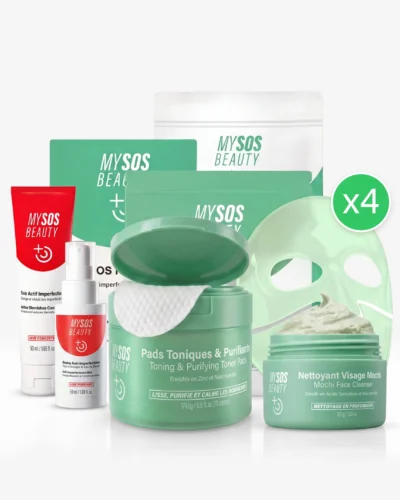
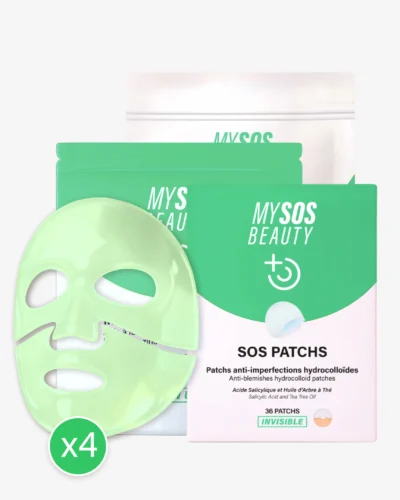
If your skin is also prone to facial blemishes, My SOS Beauty offers targeted anti-blemish treatments specially formulated to address these concerns. Explore all our solutions directly on our website!
Related articles
- The Hidden Causes of Acne: What You Might Not Have Known
- Makeup and acne: how to choose your products without making breakouts worse?
- Why Does Acne Sometimes Get Worse When You Start an Anti-Blemish Treatment?
Useful categories: Blemishes.
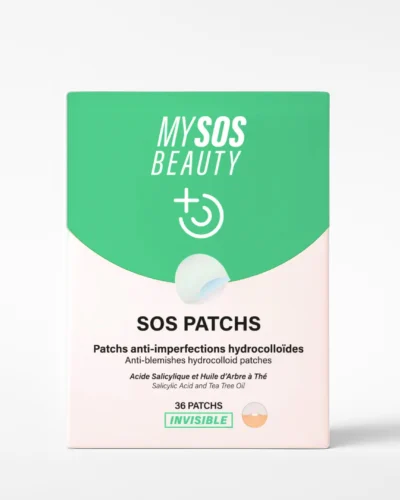
For whiteheads on the surface
- Draws out impurities from the pimple
- Works in 6 to 8 hours
- Leaves no marks