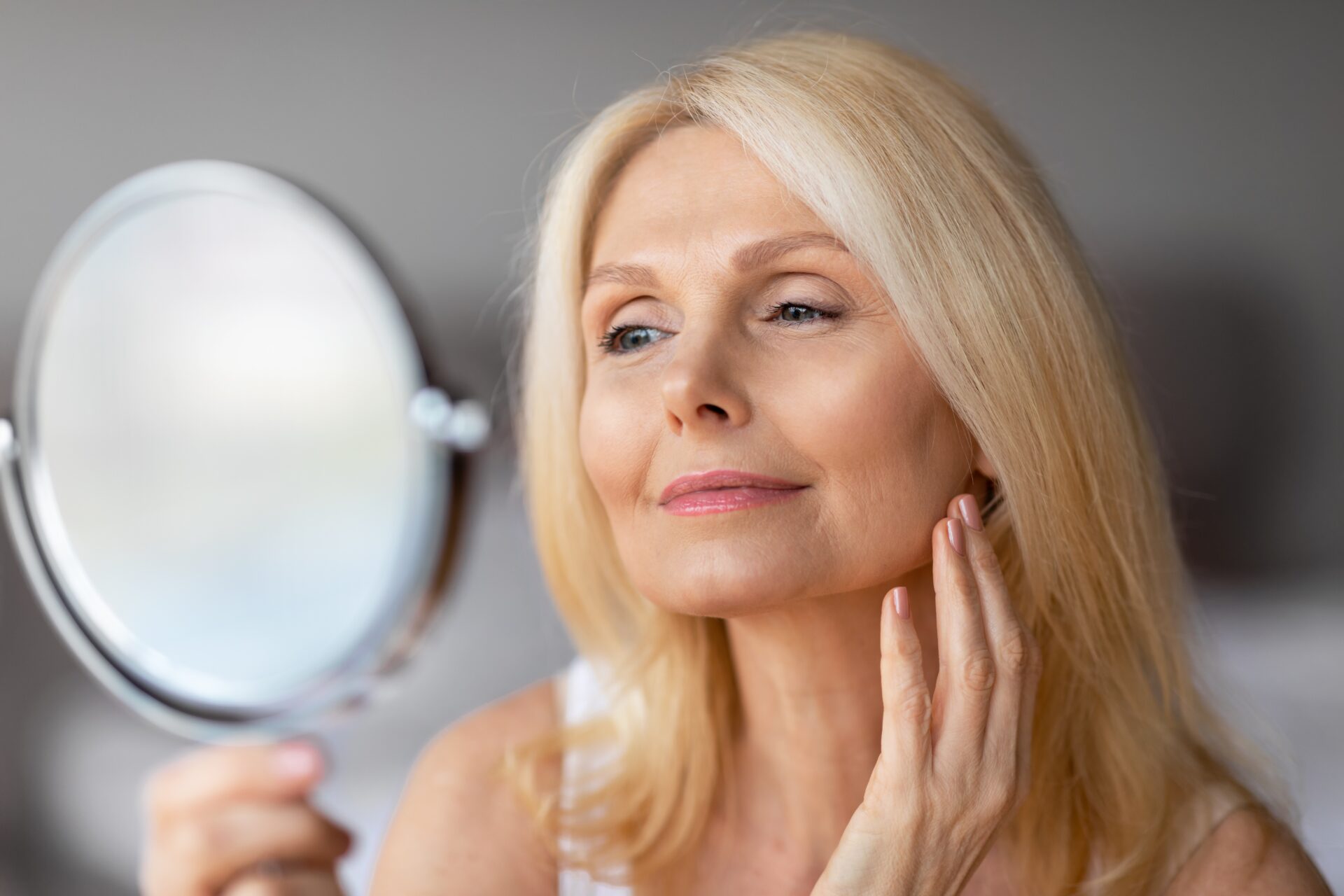
As we age, the skin naturally changes: wrinkles appear, elasticity decreases, and pigmentation spots form. Yet not all of these signs are simply down to the passing of time or our lifestyle habits. Genetics also plays a crucial role in how your skin ages. So, is skin aging an inevitable fate written in our genes — or can we actively influence the process? Here’s what the latest research has to say.
Understanding skin aging: a complex process 🔬
Skin aging results from the interaction between two main mechanisms:
- Intrinsic (chronological) aging, determined by your genetic makeup.
- Extrinsic aging, triggered by external factors such as sun exposure, smoking, pollution, and stress.
While extrinsic aging can be managed through our daily habits, intrinsic aging is partly dictated by our DNA.
How do genes influence skin aging? 🧬
Your DNA contains instructions that determine how your skin produces collagen and elastin, how it regenerates, and how it responds to external aggressors. Several genetic factors come into play:
- Collagen production and breakdown: Genes control the rate at which the skin produces and breaks down collagen — the essential protein responsible for firmness and elasticity. Some people, thanks to their genetic heritage, naturally produce more collagen and retain it for longer. As a result, they tend to show fewer visible signs of premature aging.
- Protection against free radicals: Certain genes directly influence your skin’s ability to neutralize free radicals — highly aggressive oxidizing molecules that damage the skin. Someone with a favorable genetic profile will be better protected against premature aging linked to oxidative stress.
- Cell renewal rate: The speed at which skin cells renew themselves is largely controlled by genetics. A faster renewal rate promotes smoother, more radiant, and younger-looking skin. Conversely, a slower rate leads to a build-up of dead cells, a loss of luminosity, and the earlier appearance of wrinkles.
- Pigmentation and sensitivity: Your genetics also determines your skin phototype — in other words, your sensitivity to the sun. Very fair skin is naturally more vulnerable to UV-induced aging (photoaging), while darker skin tones benefit from greater natural protection, delaying the appearance of visible aging signs.
The real share of genetics in aging: fate or simply predisposition?
According to recent studies, genetics accounts for only around 20 to 30% of visible skin aging. The remaining 70 to 80% is determined by environmental factors (sun exposure, diet, smoking, skincare products, sleep, and stress management).
This means that even if you are genetically predisposed to aging faster or developing certain imperfections (deep wrinkles, pigmentation spots, sagging…), your daily habits and skincare routine can genuinely and significantly influence the quality of your skin over the years.
How to effectively counteract genetic aging? 🔍

While we cannot change our DNA, we can largely compensate for its potential “weaknesses.” Here are some effective strategies to address genetics-related skin aging:
- Consistent sun protection (even without prolonged exposure): UV rays drastically accelerate collagen breakdown and intensify skin aging — especially if you are genetically sensitive.
- Choose a daily broad-spectrum sunscreen (SPF 30 to 50+), even on cloudy or cold days.
- A diet rich in antioxidants: Dietary antioxidants (vitamins A, C, E, polyphenols, carotenoids…) help neutralize free radicals and protect cells against the oxidative effects linked to your genetic profile.
- Prioritize colorful fruits and vegetables, green tea, oily fish rich in omega-3s, and fermented foods.
- Targeted use of proven anti-aging actives: Certain cosmetic actives (retinol, vitamin C, peptides, hyaluronic acid) naturally compensate for your skin’s genetic vulnerabilities by actively stimulating cell renewal, boosting collagen production, and shielding your skin from oxidative stress.
- Minimizing external aggressors: Smoking, air pollution, and chronic stress directly accelerate skin aging in those who are genetically predisposed.
- Adopt regular relaxation practices, reduce smoking (ideally eliminate it entirely), and choose anti-pollution skincare suited to your needs.
My SOS Beauty: targeted solutions to support your skin 🌟

Even if your genetics influences how your skin ages, you can take concrete action by choosing high-performance, tailored skincare. At My SOS Beauty, we offer a complete anti-aging routine, specifically designed to visibly prevent and reduce the signs of skin aging.
This complete routine can be ideally complemented by:
- The Collagen Mask: enriched with low-molecular-weight collagen, hyaluronic acid, and niacinamide, it deeply hydrates, improves skin elasticity, and helps visibly reduce the appearance of fine lines and wrinkles.
- The High Frequency device (Neon anti-aging attachment): thanks to its advanced technology, it stimulates cell renewal, improves blood circulation, and naturally boosts collagen production. Used regularly, it delivers lasting, visible anti-aging results.
Explore all our anti-aging products now at My SOS Beauty.
Conclusion: genetics is a factor, but you’re in control! ✨
Even though our genes play an important role in skin aging, they don’t single-handedly determine what your skin will look like in the future. By better understanding the influence of your genetic heritage, adopting a balanced lifestyle, and using targeted cosmetic treatments, you can genuinely slow down and minimize the visible effects of aging in a meaningful way.
Your skin is unique — and by taking care of it, you stay in control of preserving its radiance, youthfulness, and beauty, beyond what your genetic starting point may suggest.