When most people think of acne they picture blackheads, inflamed pimples or deep cysts – the classic forms most of us have dealt with. A less obvious but equally common variant exists: fungal acne, also known as Malassezia folliculitis. Because it mimics regular breakouts, it’s often misdiagnosed and standard acne treatments rarely help. In this article we’ll show you how to spot the tell-tale signs, which daily habits and skincare choices make a difference, and how a targeted diet can help keep fungal flare-ups under control.
What Is Fungal Acne? 🍄
Fungal acne – also called Malassezia folliculitis – results from an excess of the yeast Malassezia, a normal resident of our skin. When the environment is humid, warm or the skin’s microbiome is disrupted, the yeast can proliferate rapidly, leading to breakouts that look much like typical acne.
Unlike classic acne, which is caused by the bacterium Cutibacterium acnes, fungal acne is driven by a fungus and therefore requires a completely different treatment approach.
How to Clearly Tell Fungal Acne from Classic Acne Apart 🔍
Accurately identifying your type of acne is the first step toward effective care:
How to Adapt Your Skincare Routine to Your Acne Type
- The appearance of breakouts
Classic acne presents as blackheads, red inflamed pimples, and sometimes deep, painful cysts. It most commonly appears on the face, back, or chest.
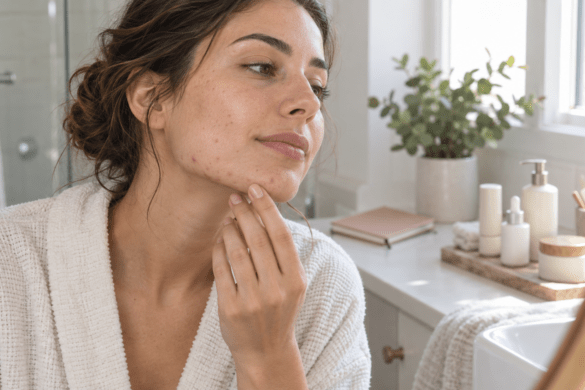
Fungal acne, on the other hand, typically shows up as clusters of small, uniform pustules — usually white or pinkish — that are rarely painful but often intensely itchy and irritating. It tends to appear on the forehead, chin, upper back, shoulders, or chest.
- Triggering factors
Classic acne is often linked to hormonal fluctuations (puberty, menstrual cycle), excess sebum production, genetics, stress, or a diet high in refined sugars.
Fungal acne, by contrast, is primarily triggered by environmental factors: hot and humid climates, excessive sweating, overly rich or oily skincare products, or tight synthetic clothing that traps moisture against the skin.
Quick Check: Could Your Acne Be Fungal? 🧪
Your acne may be fungal if:
- It flares up in summer, after exercise, or whenever you sweat heavily.
- Standard acne treatments (benzoyl peroxide, retinoids) have no effect — or actually make things worse.
- You regularly experience itching in the affected areas.
Helping to Manage Fungal Acne 🌿
Unlike classic acne, fungal acne may respond poorly to antibacterial treatments or rich, nourishing skincare. Here’s what may help you tackle it, ideally with advice from a dermatologist:
- Reach for antifungal products
Look for cleansers or shampoos containing ingredients such as ketoconazole, zinc pyrithione, or selenium sulfide, which are formulated to help curb fungal growth and support a balanced skin ecosystem.
- Avoid heavy, occlusive products
Steer clear of rich plant oils (coconut oil, shea butter, avocado oil) and thick creams, which directly feed the yeast. Instead, opt for lightweight textures: water-based serums, gels, or emulsions featuring hyaluronic acid, glycerin, or aloe vera.
- Build the right daily habits
To prevent recurrence, shower promptly after exercise, choose breathable fabrics like cotton or linen, and avoid leaving moisture on the skin for extended periods.
The Overlooked Role of Diet in Fungal Acne 🍽️
Diet has a direct impact on skin health and can play a key role in managing fungal acne. Here are the dietary habits worth adopting:
- Cut back on pro-inflammatory foods

Reduce your intake of foods that may encourage yeast growth and inflammation:
- Refined sugar, processed desserts, and sodas
- Alcohol — especially beer and white wine (high in yeasts and fermentable sugars)
- Excess dairy products (some can promote chronic inflammation)
- Embrace an antifungal diet
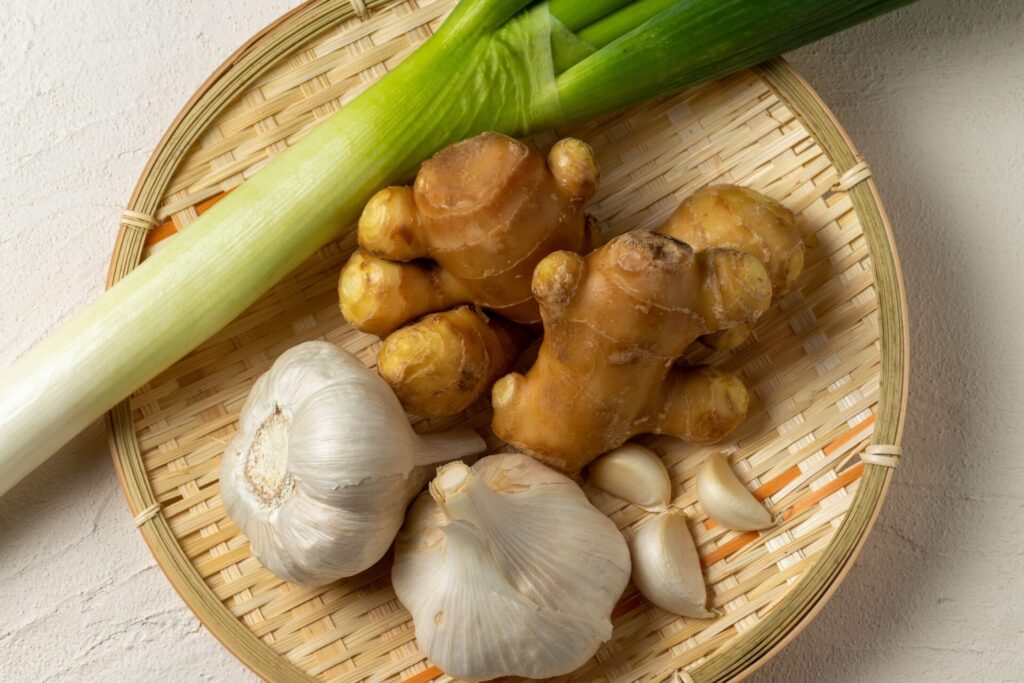
Focus on foods rich in probiotics, prebiotics, and natural antifungal compounds:
- Fermented foods: sauerkraut, kimchi, kefir, plain yogurt (to support a healthy gut flora)
- Prebiotic fibers: garlic, onion, asparagus, artichokes, flaxseeds
- Natural antifungals: coconut oil (taken internally, in moderation), fresh ginger, turmeric, cinnamon, apple cider vinegar.
This approach may help restore gut balance, which in turn can have a positive effect on your skin.
Frequently asked questions
Fungal acne usually appears as tiny white or pink-ish pustules that are not painful but can be very itchy. It tends to show up on the forehead, chin, upper back, shoulders or chest and often worsens in hot, humid weather, after exercise or heavy sweating.
Choose cleansers or shampoos that contain antifungal agents such as ketoconazole, zinc pyrithione or selenium sulphide. Opt for lightweight, water-based textures – serums, gels or emulsions with hyaluronic acid, glycerin or aloe – and steer clear of thick creams and heavy plant oils that may feed the yeast.
Conventional acne products target the bacterium Cutibacterium acnes, whereas fungal acne is driven by the yeast Malassezia. Antibacterial ingredients and rich, occlusive moisturisers therefore have little effect and can even encourage yeast growth, making the breakout persist.
A diet high in refined sugars, alcohol (especially beer and white wine) and excess dairy can promote yeast proliferation. Instead, focus on fermented foods like sauerkraut, kimchi and kefir, prebiotic fibres such as garlic, onion and asparagus, and antifungal spices like ginger, turmeric, cinnamon and a splash of apple cider vinegar.
Shower promptly after any sweaty activity, wear breathable fabrics such as cotton or linen, and avoid letting moisture sit on the skin. Limit the use of greasy or occlusive cosmetics, and keep your skincare routine light and non-comedogenic.
Conclusion: Understanding Your Acne Is Already Half the Battle ✨
Accurately pinpointing whether your breakouts are fungal or classic is the first step to appropriate care. Because it’s frequently mistaken for regular acne, fungal acne requires an antifungal strategy, the right choice of lightweight, non-occlusive formulations, and mindful dietary habits.
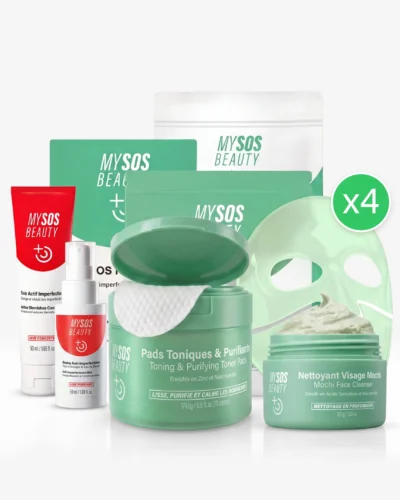
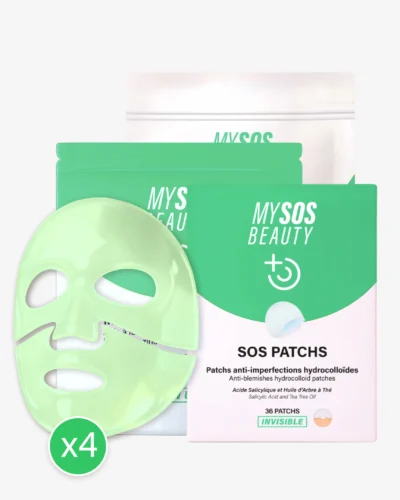
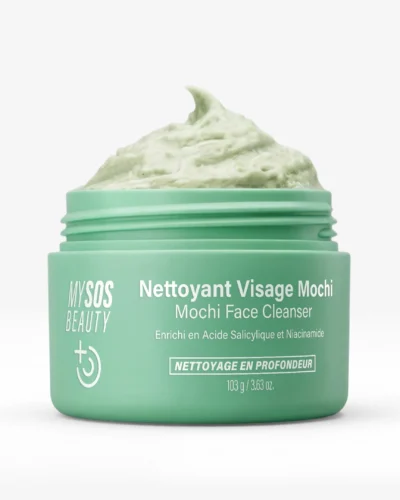
With these simple adjustments, a tailored skincare routine, and targeted products such as those from our My SOS Beauty anti-blemish range, you’ll be on your way to clearer, calmer, and more balanced skin for the long term. Explore the range now on our website!
Related articles
- Post-acne care: How to help reduce the appearance of scars and marks left by blemishes
- The must-have skincare ingredients to effectively fight acne
- Back and body acne: understanding the causes to find effective solutions
Useful categories: Blemishes.

Helps reduce the appearance of imperfections
- Soothes redness
- Prevents the appearance of new pimples
- 95.9% natural formula