
When we think of sun protection, we often picture beach holidays, summer swims, or outdoor activities under a blazing sun. Yet the need to shield skin from UV rays goes far beyond sandy shores. In every season, regardless of age or skin type, ultraviolet rays (UVA and UVB) continue to affect the health of the epidermis. In this article, we explore why sun protection is a key ritual for everyone — from newborns to seniors, from fair skin to deep skin tones.
1. UV Rays: A Year-Round Threat

UVA and UVB: What’s the Difference?
- UVA rays penetrate deep into the dermis. They are responsible for photo-ageing (wrinkles, pigmentation spots) and can contribute to the development of certain skin cancers over time.
- UVB rays, more intense, primarily affect the epidermis and quickly cause sunburn and surface damage. They can also alter the DNA of skin cells, increasing the risk of skin cancer (melanoma, carcinomas).
Despite varying intensity depending on the season or latitude, UVA rays remain active throughout the year — even on cloudy days — and can pass through glass. This is precisely why sun protection should not be reserved for sunny summer days alone.
2. Why Is Sun Protection Crucial at Every Age?
Infants and Young Children
- Immature skin: Thinner and less equipped to defend against external aggressors, a young child’s skin is particularly vulnerable to sunburn and UV-related damage.
- Maximum protection: It is generally recommended to avoid any direct sun exposure before the age of 3 and, when going outdoors, to opt for protective clothing (hat, sunglasses) and an appropriate sunscreen (high SPF, gentle formula).
Teenagers and Young Adults
- Preventing premature ageing: UV damage accumulates over the years; building good sun protection habits from adolescence helps limit the appearance of wrinkles and dark spots later in life.
- Reducing blemishes: Sun-induced inflammation can worsen existing acne or encourage the formation of post-inflammatory marks, particularly in teenagers and young adults.
Adults (25–50)
- Preserving youthful skin: Beyond reducing the risk of skin cancer, sunscreen also helps prevent photo-ageing (fine lines, loss of firmness, hyperpigmentation).
- Suitable for all skin tones: Even medium or deep skin tones, which are less prone to sunburn, are not exempt. UVA rays in particular penetrate deeply and cause invisible damage that surfaces over time.
Seniors (50 and over)
- Preventing pre-cancerous lesions: Mature skin is more susceptible to developing actinic keratoses or carcinomas after years of cumulative sun exposure.
- Supporting an anti-ageing routine: A daily UV barrier is an indispensable ally for maintaining firmer, more even-toned skin — especially at an age when cellular renewal naturally slows down.
3. Which SPF Should You Choose?
Sun protection factors (SPF) typically range from 15 to 50+. For everyday use:
- SPF 30 or 50: Recommended if you spend a significant amount of time outdoors or live in a sunny climate.
- Broad spectrum: Make sure your sunscreen protects against both UVA and UVB rays.
- The right formula: Today’s sunscreens come in tinted, non-comedogenic, and water-resistant versions to meet a wide range of specific needs.
4. The Risks of Unprotected Sun Exposure
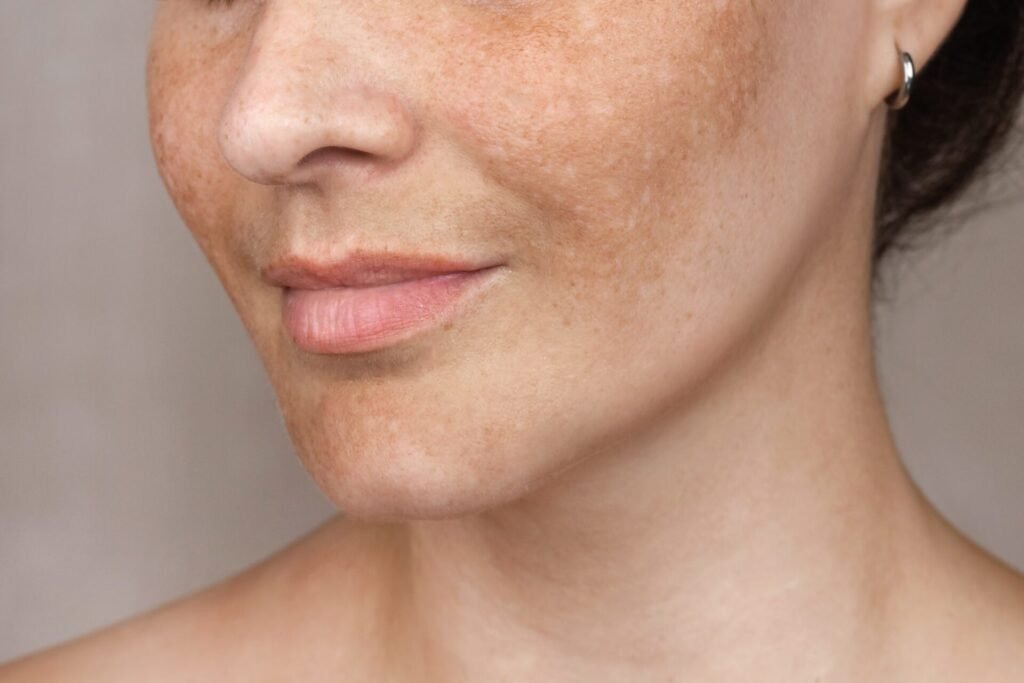
- Sunburn: Uncomfortable in the short term, sunburn weakens the skin barrier and can leave lasting marks.
- Photo-ageing: UVA rays break down collagen, leading to the early appearance of wrinkles and dark spots.
- Skin cancer risk: Whether melanoma (the most serious form) or carcinomas, every sunburn or prolonged unprotected exposure increases risk on a cumulative basis.
5. How to Apply and Reapply Sunscreen
- Amount: Applying too little significantly reduces the protection level stated by the manufacturer. On average, 1 to 2 teaspoons of product are needed for the face and neck.
- Reapplication: Every two hours, or after swimming or physical activity.
- Don’t forget sensitive areas: The eye contour, lips (with an SPF balm), ears, and neck are often overlooked.
- Choose a texture you enjoy: Gel, fluid cream, mist, mattifying formula… Selecting a sunscreen you genuinely like wearing makes it far easier to apply it consistently.
Conclusion ✨
Whatever your skin tone, skin condition (acne-prone, sensitive, mature) or age, applying sun protection is a fundamental gesture. It guards against immediate discomfort (sunburn, inflammation) and, above all, against long-term damage (skin cancers, premature wrinkles, pigmentation spots). UV rays never take a holiday: even through glass or on overcast days, their impact persists.
Making it a daily habit to use an appropriate SPF sunscreen, all year round, is an investment in the health and beauty of your skin. Prevention is always more effective than correction: it is far simpler to protect the skin than to repair damage that has already set in. Give your skin the protective shield it needs to move through every season with radiance, firmness, and comfort.
Finally, alongside sun protection, a targeted skincare routine is essential for maintaining healthy, glowing skin. Explore our anti-ageing and blemish-correcting products on our website to complete your skincare routine and reveal the full beauty of your skin.