
The right patch depends on what you can see and feel. If the pimple is white and has reached the skin’s surface, choose a hydrocolloid patch. If it is still sitting beneath the skin, a microneedle patch is the better fit.
Applying a patch to the nose takes a little care. Sebum, glasses, tissues and movement around the nostril can loosen the adhesive. Clean, dry skin, careful placement and leaving the pimple alone give the patch the best chance of staying put.
Check the pimple before choosing a patch
A whitehead has visible contents at the skin’s surface. Since it has already formed, a hydrocolloid patch can help absorb impurities from this type of blemish. It is not intended for a pimple that remains beneath the skin.
A subcutaneous pimple does not show a white spot on the surface. You may feel it before you can see it clearly. Microneedle patches are made for this situation. They contain 200 microneedles per patch and combine ingredients such as salicylic acid, niacinamide and Centella asiatica.
The pimple’s appearance is the main thing to look at. Even two blemishes on the same nose may call for different products if one is white and visible while the other remains beneath the skin. For a closer look at the difference, see the guide to choosing a patch according to the blemish.
Choose the patch for the situation
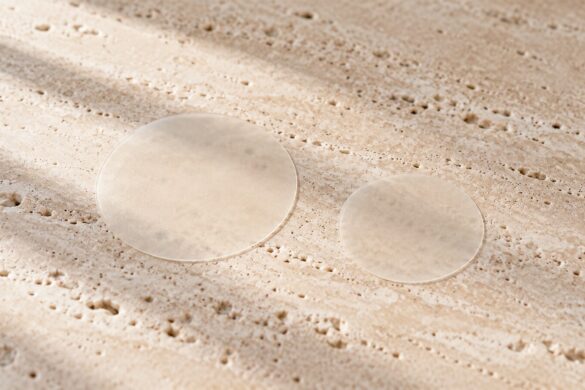
For a whitehead at the surface, choose Hydrocolloid Patches. The box contains 36 patches. The formula includes salicylic acid and tea tree oil, also known as Melaleuca alternifolia leaf oil. The instructions recommend leaving the patch on for 6 to 8 hours or overnight, then removing it when you wake up.
For a pimple beneath the skin, choose Microneedle Patches. The box contains 9 patches, with a stated application time of 6 to 8 hours. This product is intended for a subcutaneous pimple. It is not a replacement for a dermaroller or a treatment for the whole face.
There is no need to cover your entire nose for one blemish. Look at its position and appearance, then place the product directly over it.
Prepare the skin without irritating it
Clean the area and let it dry completely before applying the patch. The hydrocolloid patch instructions call for clean, dry skin. That matters even more on the nose, where sebum or friction from glasses can affect the adhesive.

For whiteheads on the surface
- Draws out impurities from the pimple
- Works in 6 to 8 hours
- Leaves no marks
Do not pierce the pimple to make application easier. A formed whitehead does not need to be opened, and pressing a subcutaneous pimple does not change which type it is. Repeated pressure can make the patch harder to apply and leave the area feeling more sensitive.
If you touch your nose before applying the patch, clean and dry the area again. Try not to handle the skin around the nostril repeatedly. Moving the patch can weaken its hold, especially in the crease.
How to apply a patch to the side of the nose
- Clean your nose and the skin around the pimple.
- Dry the area completely.
- Choose the product based on the pimple’s appearance.
- Place the patch directly over the blemish.
- Leave it on for 6 to 8 hours, following the product instructions.
Hydrocolloid patches are designed for overnight wear and can be removed when you wake up. Microneedle patches should also stay on for the stated 6 to 8 hours.
On the side of the nose, apply the patch without pulling the skin. Check that it does not fold into the crease and that it covers the blemish completely. Glasses may touch the adhesive edge, so if the frame presses on the area, apply the patch when you can limit that contact.
Damp skin, sebum and repeated friction can make the patch come away sooner. If it starts to lift, avoid repositioning it several times on the same spot. Remove it and use a fresh patch the next time you apply one.
Mistakes that can make application less comfortable
Pressing before checking the blemish
Pressing a pimple will not help you choose a patch. Start with what is visible. A formed white content calls for a hydrocolloid patch, while an imperfection beneath the skin calls for microneedles.
Applying the patch to damp skin
Moisture and sebum can interfere with adhesion. Clean the area, dry it carefully and skip skincare underneath the patch. Apply it directly to prepared skin.
Using one product over the whole area
These patches are meant for targeted blemishes. Microneedle patches are not a whole-face treatment, and there is no need to cover your nose or cheeks when treating one pimple.
Changing products without checking the pimple again
A hydrocolloid patch is not intended for a pimple beneath the skin. Microneedles are not designed to absorb impurities from a formed whitehead. If the pimple changes, look at it again before the next application, without piercing it.
Choose a practical time to apply the patch
Night-time makes it easier to follow the stated application times. For hydrocolloid patches, leave the product on for 6 to 8 hours or overnight, then remove it when you wake up. Microneedle patches are also worn for 6 to 8 hours.
You can apply a patch during the day too, but keep glasses, tissues and movement around the nostril in mind. The patch should stay over the targeted blemish. A fold or a glasses frame resting on the edge can affect comfort and adhesion.
The brand describes the hydrocolloid patches as hypoallergenic and recommends testing them on a small area. This gives you a chance to see how your skin reacts before applying one to your nose. If you feel discomfort, remove the patch and stop using it on the affected area.
FAQ: applying a patch to a nose pimple
Which patch should you use on a whitehead?
Choose a hydrocolloid patch. Clean and dry the area, then apply the patch without opening the pimple. Leave it on for 6 to 8 hours or overnight, according to the instructions.
What should you do about a pimple beneath the skin?
Choose a microneedle patch and do not pierce the area. Apply it to clean, dry skin and leave it on for the stated 6 to 8 hours.
What should you do if the patch comes away from the side of your nose?
Remove it if it folds or no longer stays in place. Before applying another one, clean and dry the area, avoid pulling the skin and check that your glasses or another source of friction is not touching the edge.
Sources
- Product page, hydrocolloid reference
- Product page, microneedle reference
- Internal guide to choosing according to the blemish
Two blog pages explore related steps: lactic or salicylic acid according to your skin texture, and toner pads, without rubbing the pimple.
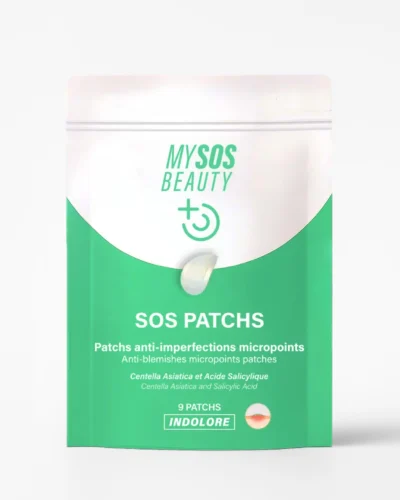
Targets subcutaneous pimples
- Actives delivered to the heart of the pimple
- Works in 6 to 8 hours
- Comfortable to wear
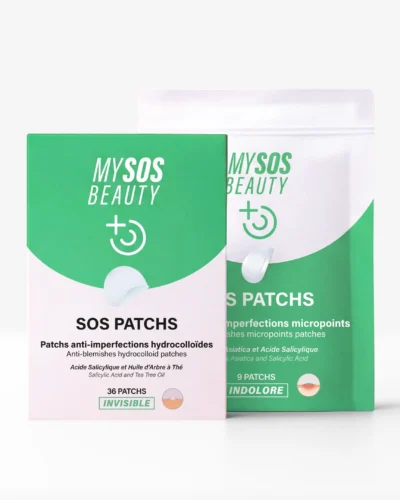 -24%BEST DEAL
Helps reduce the appearance of imperfections
- Soothes redness
- Prevents the appearance of new pimples
- 95.9% natural formula


Comments (0)