

With combination skin, some areas of your face are usually oilier than others. Your forehead, nose or chin may become shiny while your cheeks stay comfortable, less shiny or sometimes dry. A shiny nose after a hot day doesn’t tell you much on its own. Take a few days to notice how each area looks and feels.
Your cheeks don’t have to be dry
Combination skin doesn’t always mean an oily centre and very dry cheeks. Your cheeks may feel perfectly balanced, with little shine and no tightness. What matters is where oil tends to appear on an ordinary day, not whether you have dry patches.
Look at your forehead, nose and chin separately, then check each cheek. Give the skin around your mouth its own look, too. A small flaky patch there doesn’t define the skin type of your whole face.
Visible pores and spots can offer clues, but neither tells you your skin type. If you’re wondering why one area gets oilier, our guide to excess sebum takes a closer look.
Get to know your skin without overhauling your routine
Keep your usual skincare
While you’re observing your skin, avoid adding several new products at once. Stick with your usual skincare if your skin tolerates it well. There’s no need to stop moisturising to “see your real skin”: deliberately drying it out mainly tells you how it reacts without that care.
When cleansing, don’t aim for that stripped, squeaky-clean feeling. The American Academy of Dermatology recommends gentle cleansing with your fingertips and lukewarm water, without scrubbing.
Check your face at roughly the same times each day, in similar lighting. Note whether you’re wearing makeup or have just applied skincare. That glow may be a product’s finish rather than sebum. Keep wearing sunscreen; you don’t need to skip it to get a useful picture of your skin.
Notice how it feels, not just how it looks
A few notes in a notebook can help. Give each area its own line and jot down any shine, flaking or discomfort. You don’t need technical terms: “slightly oily”, “comfortable”, “tight” or “rough” will do.
| Area | What you can see | What you can feel |
|---|---|---|
| Forehead, nose, chin | Localised shine, oily film, product finish | Comfort, tightness, tingling |
| Each cheek | Matte or shiny appearance, flakes | Suppleness, feeling of dryness, discomfort |
| Around the mouth | Localised peeling or redness | Discomfort when smiling, burning sensation |
Include anything that might explain a change: heat, exercise, cold weather, a new cleanser or a product you don’t usually use. “Shiny nose after my commute, comfortable cheeks” is more helpful than “oily skin”. A photo can make changes in appearance easier to compare, but it won’t capture tightness.
What are your notes telling you?
If the centre of your face is regularly shiny and your cheeks are much less so, that suggests combination skin. Your cheeks can feel comfortable and still fit this pattern.
If your cheeks are shiny across much of their surface too, your skin is more likely to have an overall oily tendency. But if your whole face has felt tight since you changed your skincare, consider whether the routine is causing discomfort before deciding your skin type has changed.
Shine that mostly appears after exercise or in very hot weather needs a little more context. Compare it with what happens on ordinary days before drawing a conclusion.
An oily area can feel tight or uncomfortable as well. Our article on oily but dehydrated skin explains why these can happen together. Combination skin can also lack water.
If redness, tingling or peeling are bothering you most, don’t simply put them down to “dry cheeks”. Read about the signs of sensitised skin. Seek medical advice if the discomfort persists or is significant.
Before you buy new skincare
Try describing what each area needs: “oilier centre, comfortable cheeks” or “shiny centre, tight cheeks”. That gives you more to work with than a skin-type label alone. It may also save you from trying to mattify your whole face when only a few areas are shiny.
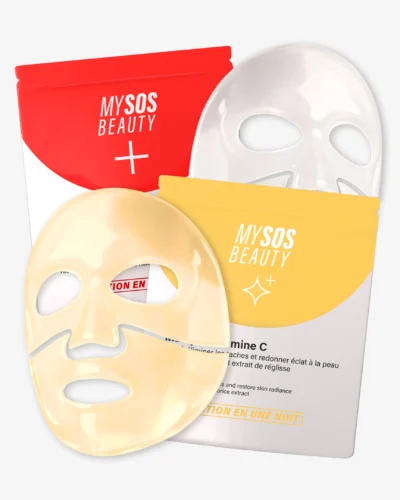
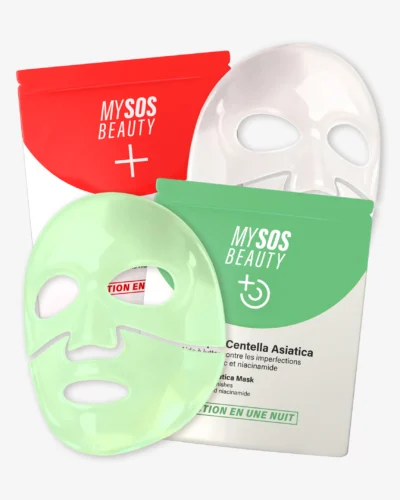
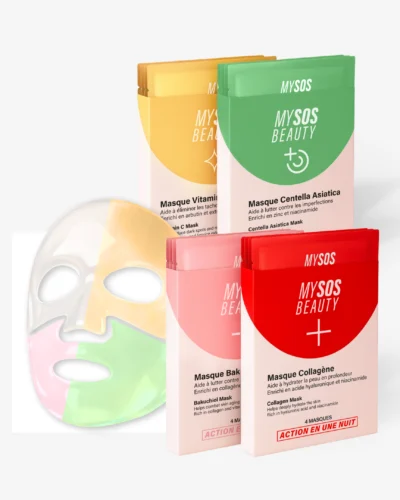
If your skin feels uncomfortable, give skin hydration some attention. A mask can complement your routine, though how your skin reacts to it won’t tell you your skin type.
One example is Pack de 4 Masques Bio-Collagène. Its manufacturer describes it as a treatment that intensely hydrates and smooths the appearance of the skin. The link takes you to the French product page, not a local offer.
The instructions are to apply the mask to clean skin, placing the lower section first, followed by the upper section. Leave it on overnight, or for at least 4 hours during the day, until it becomes completely transparent. Then remove it gently, without rinsing. The stated frequency is once a week.
A few common questions
Do my cheeks have to flake for my skin to be combination?
No. If your cheeks feel comfortable but are less oily than the centre of your face, that can be enough to suggest combination skin. Flaking isn’t required.
Can a tissue test tell me my skin type?
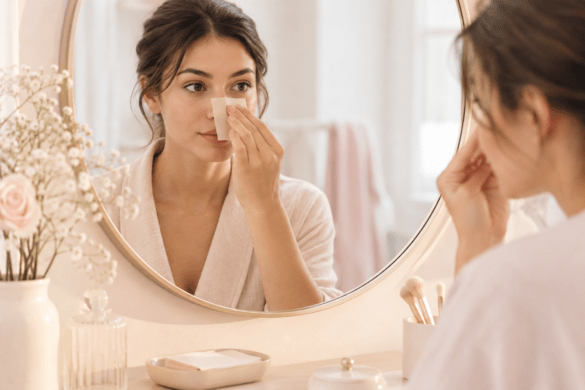
A tissue can pick up oily residue at that moment, but it can’t tell you whether the same areas are consistently oily. Skincare products can leave traces too. Use the result as one clue rather than a definite answer.
What if my observations change from day to day?
Give yourself time to notice what keeps happening under ordinary conditions. If you can’t see a stable pattern yet, describe what your skin needs now and keep observing before changing your skincare.
 -44%LIMITED OFFER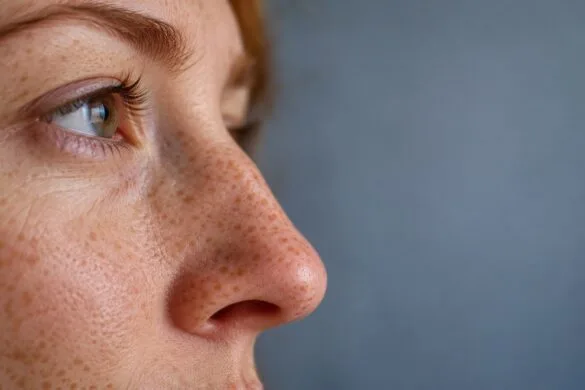

Comments (0)