

Yes, you can apply a hydrocolloid patch to a whitehead you have already popped, provided you clean and dry the area first. If it is still bleeding or the skin is very open, wait before applying it.
After touching or popping a formed whitehead, a patch can protect the area, absorb what remains on the surface and make it easier to keep your fingers away. Before applying one, take a close look at the skin.
Check the spot before applying the patch
Examine the area in good light. A patch may be suitable for a small spot that has been touched or popped if the skin is mostly closed and no longer bleeding. This type of product is designed for a whitehead that has formed on the surface.
If the area is actively bleeding or the skin is very open, wait before applying the patch.
It also matters whether the spot is on the surface or beneath the skin. The hydrocolloid patch discussed here is not intended for under-skin pimples. If you are unsure which situation applies, read this guide to choosing a patch according to the type of lesion.
Clean the area, then let it dry
After touching or popping the spot, clean the area and dry it carefully. Do not apply the patch while the skin is damp.
Wait until the area feels dry to the touch. The patch needs to stick to the skin around the spot, and water or residue can get in the way. You do not need several products or vigorous rubbing to prepare the area.
If you normally use skincare containing acids, do not apply it under the patch. To choose between lactic acid and salicylic acid, read this guide to the two acids.
Choose a product for a surface whitehead
The product intended for this situation is Hydrocolloid Patches. Its product information states that it is suitable for surface whiteheads. It contains salicylic acid and tea tree oil, also known as Melaleuca alternifolia leaf oil. The box contains 36 patches.
The patch absorbs impurities from a formed whitehead. After touching or popping the spot, it can absorb what remains on the surface and help keep your fingers away. It acts on the spot itself, not on a scar.
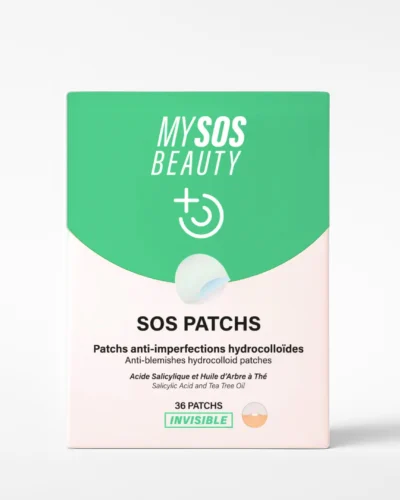
For whiteheads on the surface
- Draws out impurities from the pimple
- Works in 6 to 8 hours
- Leaves no marks
The brand describes it as hypoallergenic and recommends testing it on a small area first. Do this before using it for the first time, especially if your skin is prone to reactions. Check how your skin responds before applying the patch to the spot.
How to apply it after touching the spot
Once the area is clean and dry, apply the patch directly to the spot. Do not put skincare underneath it. A damp or product-covered surface can affect adhesion, and the product information calls for clean, dry skin.
Press gently so the patch sits correctly around the area. There is no need to keep moving it once it is in place. If you remove it soon after applying it, clean and dry the skin again before using a new patch.
Try not to touch the patch or lift it to check the spot. Leaving it alone is part of what makes it useful. Keep it on for the recommended amount of time.
How long should you leave it on?
The product information recommends leaving it on for 6 to 8 hours or overnight, then removing it when you wake up. If you apply it in the evening after touching or popping a whitehead, remove it in the morning.
Follow this timeframe rather than replacing it several times during the night. If the patch comes off quickly, check that the skin is clean and dry before applying it again.
To remove it, simply peel it off. Do not scratch the area or use your nails to remove anything that may remain on the spot. Then check the condition of the skin. The stated “leaves no mark” benefit refers to the patch, not to a possible scar.
When should you wait before applying it?
Wait before applying the patch if the area is actively bleeding or the skin is very open. The product is intended for a surface whitehead on clean, dry skin. It is not a substitute for appropriate care for a substantially open area of skin.
Do not choose this type of patch for a spot beneath the skin. The product information specifies that it is not intended for this situation. If the spot is closed or deep, identify what type of spot it is before choosing a patch.
If the area is still damp after cleansing, dry it first, even if it takes only a few moments.
Steps to avoid touching the area again
- Once the area is clean and dry and the patch is on, avoid checking the spot with your fingers.
- Use it only on a whitehead that has already formed on the surface, with no active bleeding or significant opening.
- Remove it when you wake up after leaving it on for 6 to 8 hours or overnight.
If you use other products on your face, keep them away from the area while the patch is on. When using toner pads, avoid rubbing the spot. See this guide to using toner pads for the application instructions.
FAQ: using a patch after touching a spot
Can you apply the patch straight after popping a spot?
Yes, if the spot was a surface whitehead, the area has been cleaned and dried, and it is not actively bleeding. If the skin is very open, do not apply the patch over it.
Should you apply skincare under the patch?
No. The product information calls for clean, dry skin, so apply the patch without adding anything that could leave the area damp or affect adhesion.
What should you do if the spot is beneath the skin?
The hydrocolloid patch discussed here is not intended for a spot beneath the skin. Before applying it, check that the spot is clearly white, visible on the surface and already formed.
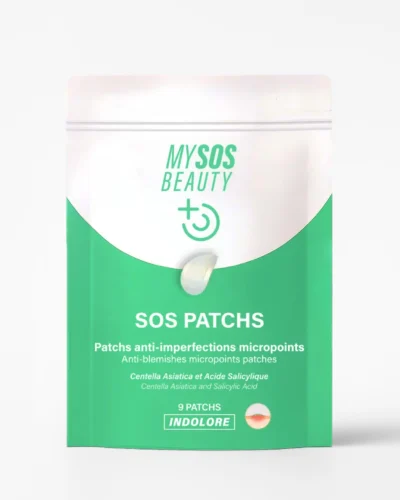
Targets subcutaneous pimples
- Actives delivered to the heart of the pimple
- Works in 6 to 8 hours
- Comfortable to wear
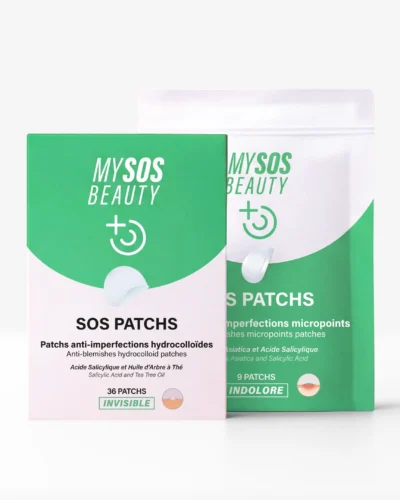 -24%BEST DEAL
Helps reduce the appearance of imperfections
- Soothes redness
- Prevents the appearance of new pimples
- 95.9% natural formula

Comments (0)