Painful, stubborn and often highly visible, under-skin pimples – also known as cystic or blind pimples – are among the most frustrating forms of acne. They require a different approach to the usual spot-treatments. In this guide we’ll explore why they develop, how to care for them day to day and, most importantly, how a suitable routine can help limit their recurrence.
By understanding the triggers and using the right products, you can minimise discomfort, reduce the risk of scarring and maintain a clearer complexion.
Under-skin pimples: what exactly are they?
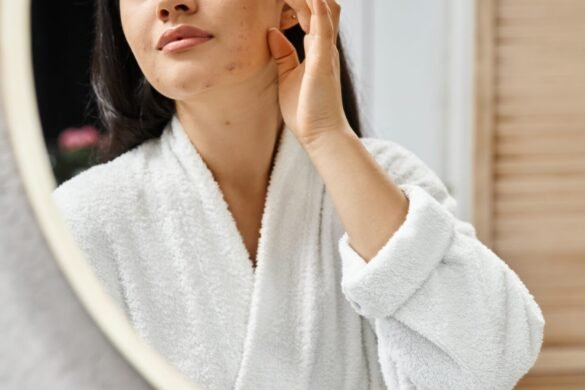
Under-skin pimples are inflammatory lesions that form deep beneath the skin’s surface. Unlike regular pimples, they have no visible tip — no white or yellow head — which makes them impossible to pop without causing further damage.
These blemishes typically result from inflammation around the hair follicle, triggered by:
- Excess sebum, often hormonal in origin;
- A build-up of dead skin cells and bacteria that deeply block the hair follicle;
- Intense internal inflammation, creating a red, painful cyst that may feel warm to the touch.
These blind pimples most commonly appear on the chin, jawline, or cheeks — areas typically associated with hormonal fluctuations.
Why do under-skin pimples appear?
Several factors contribute to their formation, including:
- Hormonal imbalances
- Hormonal fluctuations — from the menstrual cycle, pregnancy, menopause, or chronic stress — are the leading cause of under-skin pimples. Androgens in particular stimulate sebum production, increasing the risk of clogged pores.
- Chronic stress
- Stress can trigger inflammatory flare-ups by raising cortisol levels. This hormone directly promotes excess sebum production, fuelling the development of deep, painful pimples.
- Skincare routine mistakes
- Using products that are too rich, too harsh, or simply not suited to your skin type can disrupt your skin’s natural balance and worsen the formation of these internal blemishes.
- Lifestyle habits
- A diet high in refined sugars, dairy, or ultra-processed foods can aggravate internal inflammation, making under-skin pimples more likely to appear.
How to care for under-skin pimples day to day?
Because these pimples are deeply embedded in the skin, surface-level care may not be enough. Here are the best practices to help you care for them:
- Don’t pop or pick
- Avoid squeezing or pressing these pimples at all costs: doing so risks spreading the inflammation deeper and leaving permanent scarring or dark spots.
- Targeted spot treatments: micropoint patches
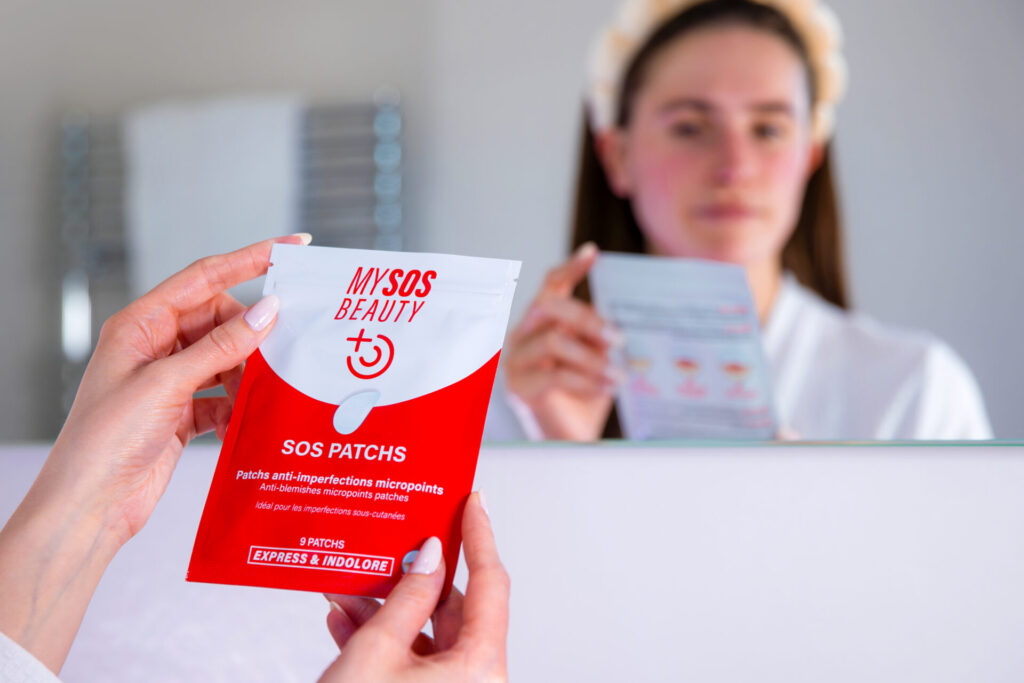
- Micropoint patches are a targeted solution that can help care for under-skin pimples at the very first sign.
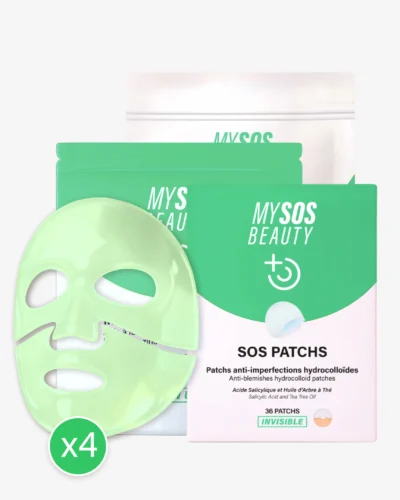
At My SOS Beauty, our SOS Micropoint Patches feature tiny, painless microneedles loaded with powerful active ingredients, including:
- Salicylic acid: helps unclog pores and may help soothe the appearance of inflammation.
- Tea tree essential oil: reputed to have antibacterial properties, it may help limit bacterial growth beneath the skin.
- Niacinamide: helps soothe the look of redness, may help soothe the appearance of inflammation, and may help reduce the appearance of post-blemish marks.
These patches deliver active ingredients directly beneath the skin’s surface, targeting the pimple at its source. They may help visibly reduce the appearance of its size and the feeling of discomfort over time.
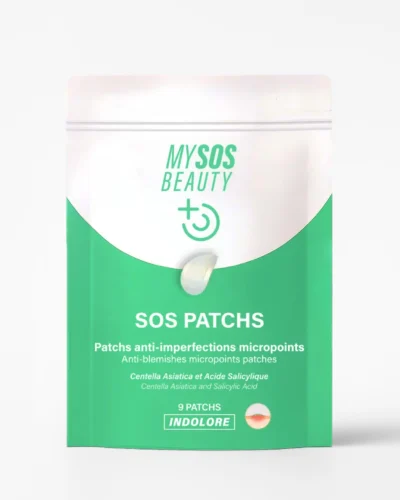
Targets subcutaneous pimples
- Actives delivered to the heart of the pimple
- Works in 6 to 8 hours
- Comfortable to wear
Pro tip: apply a SOS Micropoint Patch as soon as you feel an under-skin pimple forming, and leave it on for several hours or overnight for maximum effectiveness.
- Use targeted blemish-fighting skincare
- Incorporate products formulated with proven active ingredients into your daily routine to tackle deep-seated blemishes:
- Gentle cleansers with salicylic acid or zinc
- Niacinamide serums (may help soothe the appearance of inflammation and help regulate sebum production)
- Lightweight, non-comedogenic moisturisers
- Incorporate products formulated with proven active ingredients into your daily routine to tackle deep-seated blemishes:
- Gentle heat or cold to soothe inflammation
- Apply a warm (not hot) compress to the area for a few minutes each day to help soften the inflamed zone and care for the pimple. Conversely, if the pimple is very painful and swollen, a cold compress can help ease the discomfort.
How to prevent under-skin pimples from forming?

Prevention can be an approach to consider for these stubborn blemishes. Here are some keys that can help keep them at bay:
- Help regulate sebum production: build a blemish-fighting routine that helps balance the skin without stripping it.
- Regular gentle exfoliation: use mild acids (AHA/BHA) to prevent the build-up of dead skin cells deep within the pores.
- Limit aggravating factors: cut back on sugar, dairy, and ultra-processed foods.
- Manage stress: yoga, meditation, deep breathing — find what works for you to keep daily stress levels in check.
Reduce recurrence with a balanced diet
What you eat plays a significant role in managing under-skin pimples. Make room in your daily diet for:
- Foods reputed for their anti-inflammatory properties (turmeric, ginger, oily fish).
- Natural fibre and prebiotics (leafy greens, fresh fruit) to support gut health and skin balance.
- Stay well hydrated: drinking enough water is part of a balanced daily routine and may help the skin look fresh.
Frequently asked questions
It’s an inflammatory lesion that forms deep beneath the skin’s surface. Unlike a regular pimple, it has no visible white or yellow head. It’s often red and painful, and can sometimes feel warm to the touch. Under-skin pimples tend to appear on the chin, jawline or cheeks, areas typically associated with hormonal fluctuations.
No, it’s best not to. With no visible head, this type of pimple can’t be popped without causing further damage to the skin. Squeezing or picking at the area risks spreading the inflammation deeper and leaving scarring or dark spots. Instead, stick to gentle habits and skincare suited to your skin type.
Several factors can play a part. Hormonal fluctuations linked to the menstrual cycle, pregnancy or menopause stimulate sebum production. Chronic stress can also contribute through cortisol. Products that are too rich, too harsh or not suited to your skin, as well as a diet high in refined sugars, dairy or ultra-processed foods, may also be involved.
Both can help, depending on the situation. A warm (never hot) compress applied for a few minutes each day may help soften the inflamed area. If the pimple is very swollen and painful, a cold compress may instead help ease the discomfort. Either way, avoid squeezing or picking at the area.
Speak to a healthcare professional if your pimples are deep, painful or persistent, or if they keep coming back. Skincare is no substitute for professional advice: it can support your routine but can’t guarantee results. In the meantime, avoid squeezing or picking at the area so you don’t make the inflammation worse.
Conclusion: act fast, act smart, for visibly clearer skin ✨
Under-skin pimples don’t have to be a fact of life. By understanding their root causes, you can put the right steps in place to help keep them under control. With targeted care like the SOS Micropoint Patches by My SOS Beauty, combined with a tailored blemish-fighting routine, you can help limit breakouts and maintain clear, calm, even-looking skin over the long term.
Explore our full range of blemish-fighting skincare at My SOS Beauty, and help keep stubborn pimples at bay day after day!
Related articles
- Fungal Acne vs. Classic Acne: How to Tell Them Apart and Treat Them Effectively
- Post-blemish scars and marks: How to fade them and prevent their appearance
- Post-acne care: How to help reduce the appearance of scars and marks left by blemishes
Useful categories: Blemishes.

Helps reduce the appearance of imperfections
- Soothes redness
- Prevents the appearance of new pimples
- 95.9% natural formula