A spot that always crops up on your forehead, breakouts that settle along your chin, stubborn blackheads on your nose… If your blemishes keep coming back in the same places despite your skincare, face mapping might offer a clue. Rooted in traditional Chinese medicine, this practice links each area of the face to a particular organ or imbalance in the body.
In this article, we go through the face zone by zone: forehead, T-zone, cheeks, chin, temples and eye area. For each one, we look at the possible triggers and practical changes you can make to your skincare routine and lifestyle. This approach is no substitute for advice from a dermatologist.
What exactly is face mapping? 🔍
Face mapping is an ancient practice originating in China, based on the idea that each area of the face is closely connected to a specific internal organ or imbalance within the body.
According to this theory, localised blemishes may reflect specific internal or external disruptions. Of course, this is not a substitute for dermatological advice — rather, it offers a valuable perspective for better understanding the signals your skin sends you every day.
A detailed face map: what each zone is really telling you
Let’s go through your face area by area and look at what might be behind those recurring blemishes. This map should help you get a clearer idea of what’s going on with your skin, so you can adapt your habits accordingly.
1. The forehead: digestion, stress and sleep
Why the forehead?
In face mapping, the forehead is linked to your digestive system, liver and stress levels. If the skin here is often congested, it may point to internal imbalances or lifestyle habits that aren’t doing you any favours.
Key triggers:
- Poor diet: Excessive consumption of fatty foods, refined sugars, processed and ultra-processed products can upset digestion and may be reflected in your skin.
- Sluggish digestion: In face mapping, a slow digestive system is associated with blemishes on the forehead.
- Chronic stress and anxiety: Elevated cortisol levels (the stress hormone) increase sebum production and promote inflammation.
- Sleep disruption: Insufficient sleep interferes with overnight cell renewal, creating the ideal conditions for breakouts.
Practical steps to take:
- Eat foods rich in fibre and probiotics (leafy greens, fresh fruit, plain yoghurt, kefir).
- Cut back on fast-release sugars, processed meats and excess caffeine.
- Incorporate meditation or relaxation techniques into your daily routine to manage stress more effectively.
- Prioritise consistent, restorative sleep (7–9 hours per night).
2. The T-zone (nose and between the brows): liver and excess sebum
Why the T-zone?
This area has a high concentration of sebaceous glands, which is why it tends to get oily and is prone to blackheads. In face mapping, it’s also associated with the liver.
Before you treat every dark dot on an oily nose as a clogged pore, learn to tell sebaceous filaments versus blackheads apart so you stop over-scrubbing the same spot.
Key triggers:
- Overly rich diet: Excess alcohol and a diet high in saturated fats, sugars and processed foods can be reflected in your skin.
- Pollution and smoking: Significantly increase the amount of impurities that accumulate in the pores.
- Internal dehydration: Inadequate hydration makes sebum thicker, leading to persistent blackheads.
Practical steps to take:
- Regularly include foods in your diet, such as lemon, artichoke, leafy greens and chicory.
- Build a skincare routine around gentle purifying actives (salicylic acid, niacinamide, zinc).
- Drink enough water daily (1.5 to 2 litres) to help thin sebum.
3. The cheeks: external hygiene and, according to face mapping, respiratory health
Why the cheeks?
The cheeks are directly exposed to external aggressors and frequently come into contact with everyday objects. Chinese medicine also associates the cheeks with the respiratory system.
Key triggers:
- Contaminated objects: Mobile phones, earphones, glasses or poorly cleaned makeup brushes transfer bacteria and impurities directly onto the skin.
- Air pollution: Fine particles assault the skin daily, causing inflammation and irritation.
- Irritating cosmetic products: Heavy or comedogenic textures can easily clog the pores on the cheeks.
- Respiratory allergies: According to face mapping, asthma or allergic reactions could increase skin inflammation on the cheeks.
Practical steps to take:
- Clean objects that come into contact with your face regularly.
- Change your pillowcases frequently (every 3 to 5 days).
- Choose non-comedogenic skincare products that are gentle and offer protection against pollution.
- Purify your living space regularly and air out your home daily to reduce indoor allergens.
4. The chin and jawline: hormones and endocrine imbalances
Why the chin and jawline?
This area is particularly sensitive to hormonal fluctuations. Blemishes here often reflect changes linked to the menstrual cycle or endocrine imbalances.

Helps reduce the appearance of imperfections
- Soothes redness
- Prevents the appearance of new pimples
- 95.9% natural formula
Key triggers:
- The menstrual cycle: A natural rise in androgens (male hormones) towards the end of the cycle increases sebum production and triggers localised inflammation.
- Hormonal imbalances: Polycystic ovary syndrome (PCOS), chronic stress or an unsuitable contraceptive method can all exacerbate these flare-ups.
- Rich diet: Excess sugar and dairy products are particularly associated with acne breakouts in this area.
Practical steps to take:
- Incorporate omega-3s into your diet (oily fish, walnuts, flaxseeds) as part of a balanced diet.
- Use targeted balancing skincare (salicylic acid, azelaic acid, niacinamide).
- Consult a specialist if you experience severe or persistent hormonal disruptions.
5. The temples and eye contour: associated with kidney function and internal hydration in face mapping
Why the temples and eye area?
According to face mapping, these delicate, fine-skinned zones reflect the body’s internal hydration levels and kidney function. Blemishes in this area may be a sign of fatigue or dehydration.
Key triggers:
- Chronic dehydration: Insufficient water intake can contribute to premature ageing of this sensitive area.
- Excess salt, caffeine or alcohol: In face mapping, an excess of these is thought to show on the skin in this area.
- Accumulated fatigue: Poor overnight recovery can worsen dark circles, puffiness and localised inflammation.
Practical steps to take:
- Increase your intake of water and unsweetened drinks (green tea, herbal infusions).
- Reduce excess salt, alcohol and caffeine, especially later in the day.
- Incorporate targeted hydrating skincare (an eye cream with hyaluronic acid) and use cold compresses to help depuff this fragile area.
Face mapping: practical tips for adapting your skincare routine 🧴
- Choose your products based on the specific needs of each zone: Purifying formulas for the T-zone, lightweight hydration for the cheeks, balancing care for the chin.
- Maintain a rigorous hygiene routine: Daily cleansing suited to your skin type, regular pillowcase changes, and frequent washing of hands and objects that touch your skin.
- Listen to your body and adjust your lifestyle: A balanced diet, active stress management, restorative sleep and good internal hydration can all make a real difference.
My SOS Beauty solutions to complete your routine 🌟
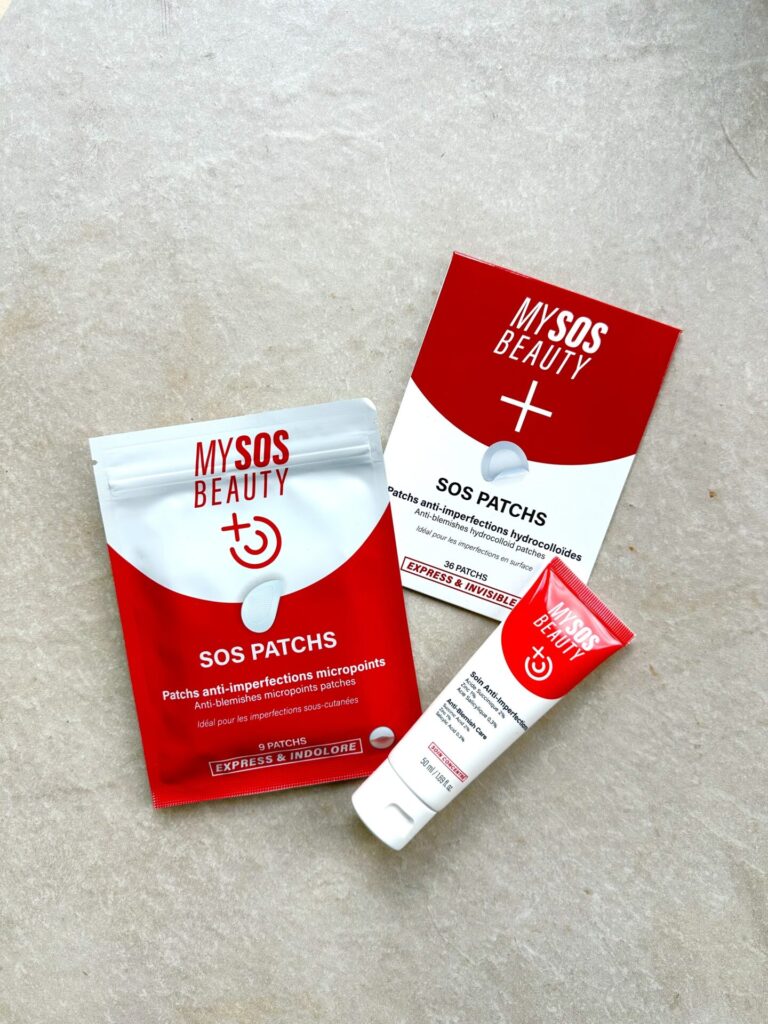
At My SOS Beauty, we’ve developed targeted products to support blemish-prone skin:
- Soin Actif Anti-Imperfections: Formulated with salicylic acid, zinc and succinic acid, it helps soothe the skin and limit the appearance of blemishes.
- SOS Patchs Micropoints: Equipped with micro-needles infused with salicylic acid, tea tree and niacinamide, they help reduce the appearance of under-the-skin blemishes.
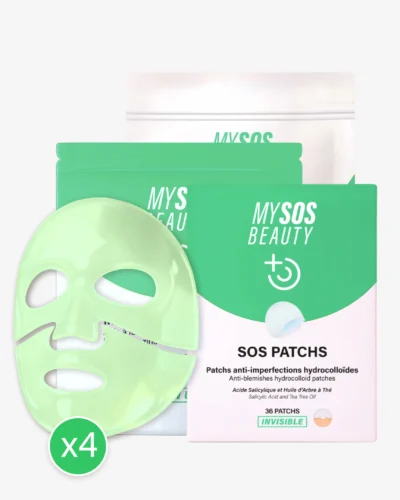
- SOS Patchs Hydrocolloïdes: Designed for blemishes already at the surface, these patches absorb impurities, protect the blemish and limit the temptation to touch or pick at spots — helping to minimise the risk of post-blemish marks.
Explore all our blemish solutions on the My SOS Beauty website to complete your face mapping routine.
Frequently asked questions
According to face mapping, a practice rooted in traditional Chinese medicine, each area of the face may be linked to a particular imbalance. Everyday factors can also play a part, including diet, stress, sleep, objects that touch your skin and hormonal fluctuations. Make a note of where your blemishes keep cropping up, then look at your habits to spot possible triggers.
The chin and jawline are particularly sensitive to hormonal fluctuations. Blemishes in this area may be linked to the menstrual cycle, chronic stress, an unsuitable contraceptive method or an imbalance such as polycystic ovary syndrome (PCOS). Excess sugar and dairy products are also often mentioned. If these breakouts are severe or persistent, speak to a healthcare professional.
Face mapping is a traditional practice, not a diagnostic tool. It offers one way of reading the signals your skin sends you, but it isn’t established fact and it’s no substitute for advice from a dermatologist. It’s best used as a starting point for looking at your habits and adjusting your skincare routine.
See a dermatologist if your blemishes are severe or persist despite a suitable skincare routine and a balanced lifestyle. You should also book an appointment if you suspect a hormonal imbalance. Face mapping can help you identify possible triggers, but only a healthcare professional can make a diagnosis.
Regularly clean anything that comes into contact with your face, such as your mobile phone, glasses or makeup brushes, and change your pillowcases frequently. Choose non-comedogenic skincare suited to the needs of each zone. On the lifestyle side, focus on a balanced diet, good hydration, consistent sleep and active stress management. These small changes may help limit blemishes.
In summary: understand to care for it better ✨
Face mapping is a traditional practice that can offer clues about what may be behind recurring blemishes and help you adapt your routine accordingly. By paying close attention to the signals your skin sends, you can take better care of it, improve your lifestyle habits and gradually reveal a clearer, more balanced and radiant complexion.
Remember: results come with consistency, patience and a holistic approach — beautiful skin on the outside always starts with balance on the inside. 🌸
Related articles
- Back and body acne: understanding the causes to find effective solutions
- Acne and Sweat: How to Keep Clear Skin Despite Working Out?
- Menstrual cycle and breakouts: understanding and anticipating hormonal acne flare-ups
Useful categories: Blemishes.