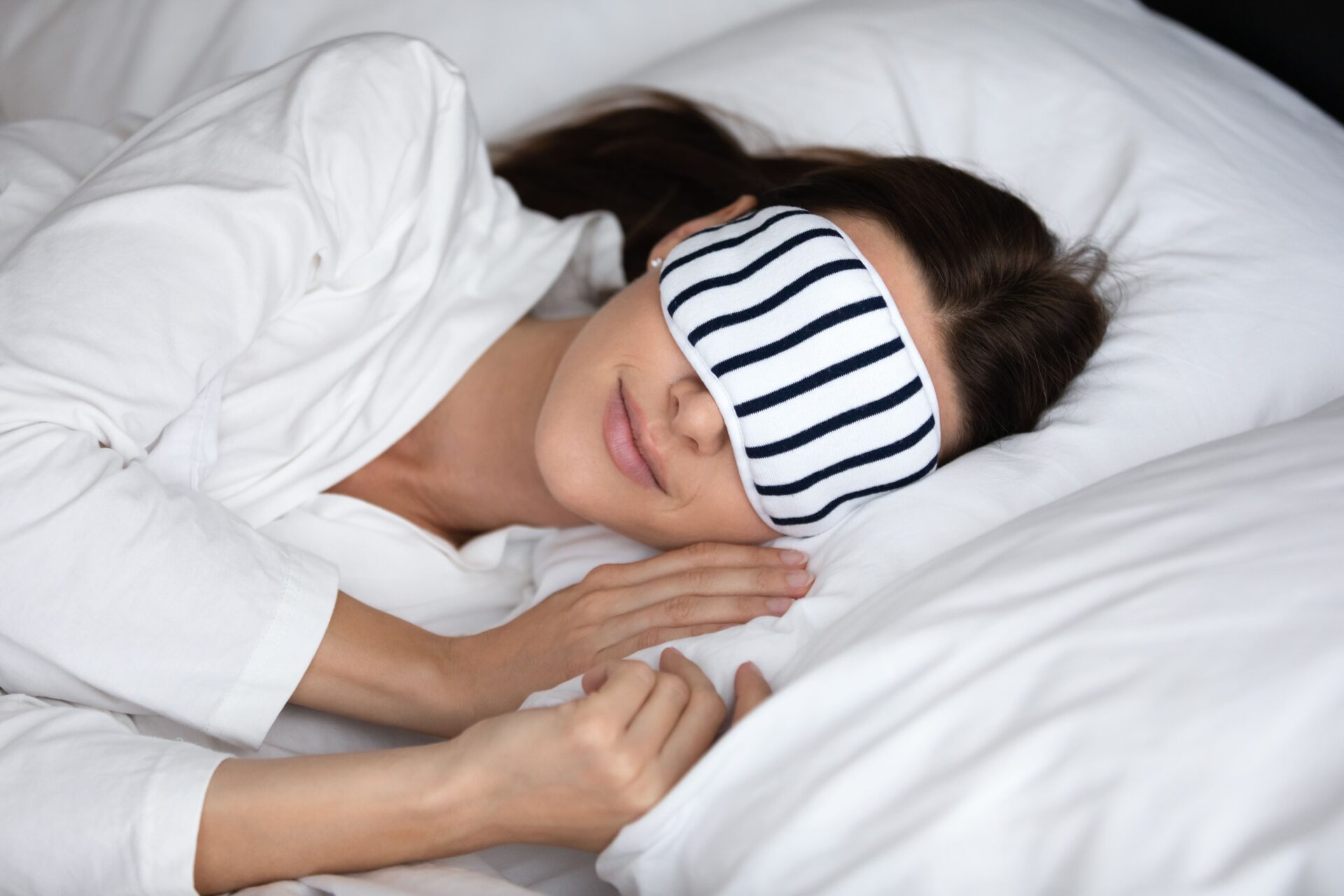
“You look tired — get some rest!” Sound familiar? There’s a reason people say it: sleep genuinely affects the way your skin looks and feels. But what actually happens overnight that makes us so strongly associate rest with beauty? In this article, we explore how your nightly hours of sleep help regenerate your skin, why they’re so essential, and how to make the most of your beauty sleep for a radiant complexion every morning.
Why do we talk about “beauty sleep”? 🌸
Throughout the day, your skin is exposed to a constant stream of external aggressors: pollution, stress, UV rays, temperature changes, makeup… These factors generate intense oxidative stress, which is responsible for premature ageing, blemishes, and a dull complexion.
At night, however, your skin gets a precious window of recovery and deep regeneration. During this quiet period, your body enters an active phase of cellular repair, allowing the skin to restore and renew itself far more effectively.
In practical terms, your skin uses the night to:
✅ Renew epidermal cells
✅ Repair damage caused by daily aggressors
✅ Produce collagen and elastin, essential for firmness and elasticity
✅ Eliminate toxins that have built up during the day
Beauty sleep is no marketing myth — it’s a genuine physiological reality, and a cornerstone of healthy, radiant skin.
What actually happens to your skin overnight? 🔍
Several key physiological processes work together overnight to regenerate and improve your skin:
1. Peak cellular regeneration: Between 11 pm and 3 am, the rate of cellular regeneration reaches its peak. During this phase, epidermal cell division accelerates, allowing your skin to efficiently replace damaged or dead cells.
2. Rise in skin temperature: Your skin temperature rises slightly during sleep, which enhances the absorption of active ingredients in your nighttime skincare products. This makes it the ideal time to apply your most concentrated treatments — anti-ageing serums, regenerating creams, and overnight masks.
3. Natural rehydration: At night, the skin loses a significant amount of water through light perspiration, which can lead to surface dehydration. A good overnight moisturiser — rich in hyaluronic acid, ceramides, or plant-based oils — helps the skin maintain its hydration balance, keeping it supple and comfortable.
4. Activation of repair mechanisms: During sleep, the skin’s internal repair processes are triggered by the release of specific hormones, including growth hormone (GH) and melatonin. These substances stimulate collagen production, help repair skin damage, and reduce inflammation.
What happens to your skin when you don’t get enough sleep? ⚠️
Poor or insufficient sleep has a direct impact on your skin:
❌ A dull, pale complexion caused by poor blood circulation.
❌ Dark circles and puffiness under the eyes, a direct result of fatigue and impaired toxin elimination.
❌ Slower cell turnover, contributing to blemishes and premature ageing.
❌ Increased oxidative stress, leaving skin more fragile and vulnerable to external aggressors.
This is why poor or insufficient sleep significantly accelerates skin ageing.
How to make the most of your beauty sleep 🌛
To maximise the benefits of your nightly rest, here are some practical tips you can start applying right away:
1. Establish a consistent sleep schedule: Go to bed and wake up at the same time each day to help your body regulate its biological rhythm and support cellular regeneration.
2. Remove your makeup every evening: Thoroughly cleanse and remove your makeup each night to rid your skin of impurities, makeup residue, and pollution accumulated throughout the day — allowing your skin to breathe and regenerate freely.
3. Use targeted nighttime skincare: Apply products enriched with hydrating and regenerating actives — such as hyaluronic acid, peptides, or nourishing oils (jojoba oil, argan oil) — before bed to deeply nourish your skin overnight.
4. Optimise your sleep environment: Sleep in a cool (around 18–20 °C), dark, and quiet environment to encourage truly restorative rest. Avoid blue light from screens for at least an hour before bed to improve your sleep quality.
5. Embrace an anti-inflammatory diet: Favour a diet rich in antioxidants, omega-3 fatty acids, and essential vitamins to help reduce skin inflammation and support overnight cellular renewal.
My SOS Beauty: boost overnight regeneration with targeted skincare 🌟
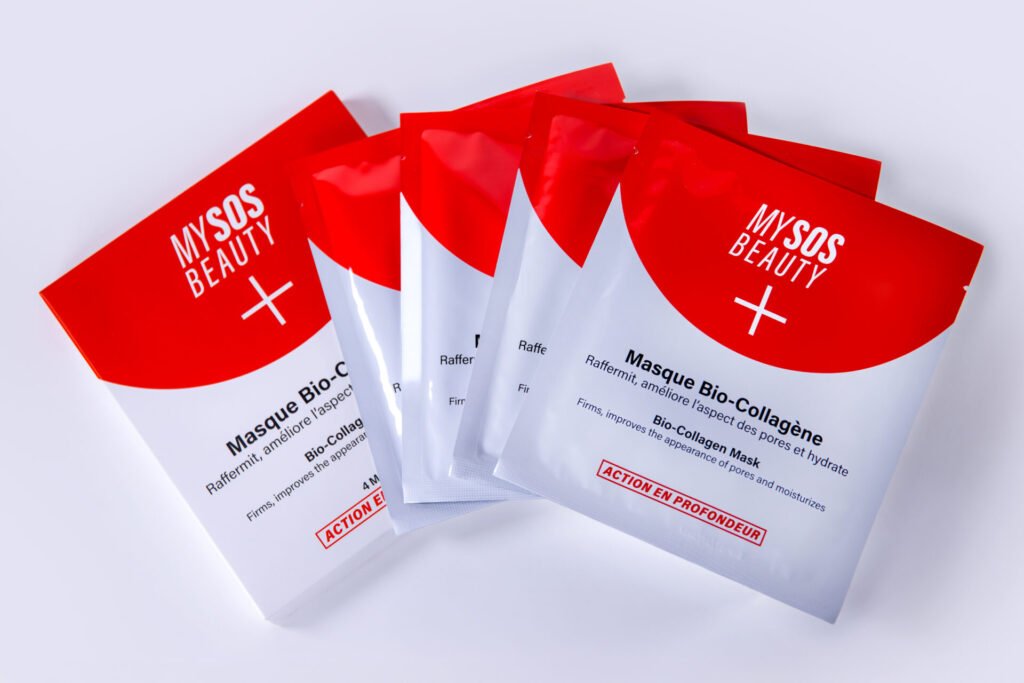
To get the most out of your restorative sleep, consider adding targeted treatments to your evening routine — such as the Bio-Collagen Mask by My SOS Beauty. Formulated with low-molecular-weight collagen, hyaluronic acid, and niacinamide, this mask can be worn overnight to maximise its hydrating, plumping, and regenerating effects. By morning, your skin looks visibly firmer, more even-toned, and radiant.
Explore our full range of anti-ageing and blemish-fighting skincare, designed to address your skin’s every need — available directly on the My SOS Beauty website!
In conclusion: your skin really does regenerate while you sleep! ✨
Yes, beauty sleep is absolutely real! Your nights are precious for the health, youthfulness, and radiance of your skin. Make the most of this time by giving your skin the best possible care and the ideal conditions for regeneration.
Commit to regular, restorative sleep, build a consistent skincare routine, and you’ll notice the difference quickly: luminous, bouncy, perfectly renewed skin — every single morning.