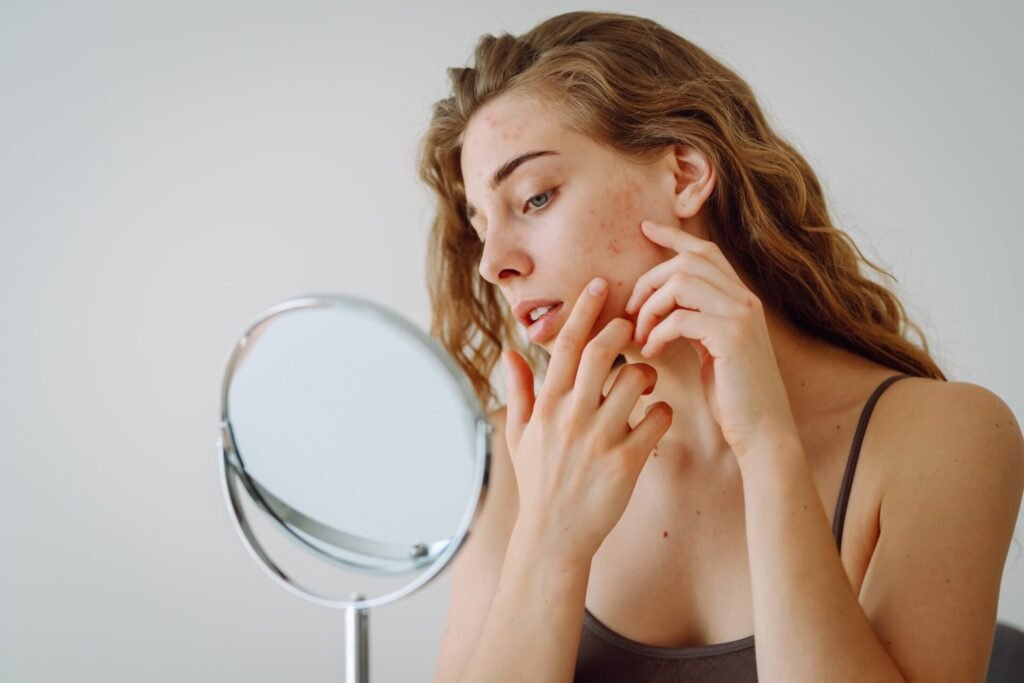
Acne is a skin concern that affects millions of people worldwide. If you think excess sebum and clogged pores are the only culprits, think again. There are countless hidden causes that contribute to breakouts — ones that rarely come up in everyday conversations about acne. In this article, we explore some of these lesser-known yet equally important triggers, and how to address them to improve the health of your skin.

1. Stress: a silent trigger
We’ve all heard that stress can take a toll on our bodies — but did you know it can contribute to triggering acne? When you’re stressed, your body releases cortisol, the stress hormone. In excess, cortisol stimulates sebum production — the natural oil secreted by the sebaceous glands. When sebum is overproduced, it can clog pores and set the stage for breakouts.
Stress breakouts: how cortisol affects your skin and what to do about it
How to address it? Managing stress can contribute to improving the condition of your skin. Try incorporating relaxation techniques such as meditation, yoga, or simply carving out moments of calm away from daily pressures. A good night’s sleep may also help regulate cortisol levels.
2. Hormones: underestimated fluctuations
Hormones play a central role in acne, particularly for women. Hormonal shifts linked to the menstrual cycle, pregnancy, or menopause can lead to excess sebum production and an overgrowth of acne-causing bacteria.
In men, testosterone can also be an aggravating factor. Hormonal imbalances often result in increased sebum production, especially in the T-zone (forehead, nose, and chin).
How to address it? If you suspect your hormones are behind your breakouts, it’s worth consulting a healthcare professional. Only a doctor can assess whether hormonal treatment is right for you.
3. Hair products: an unexpected culprit
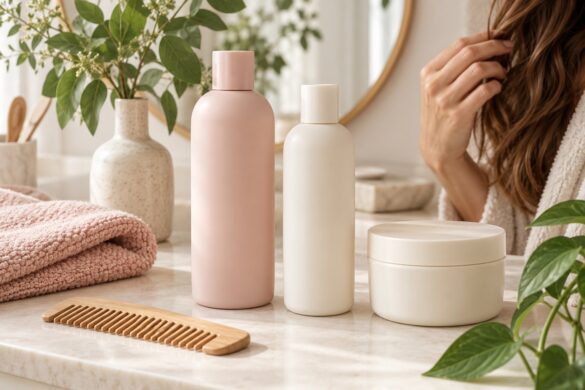
The products you use on your hair could be affecting your skin without you even realising it. Certain shampoos, conditioners, and styling products contain comedogenic ingredients — such as silicones or mineral oils — that can migrate onto the skin and trigger breakouts, particularly along the hairline and on the forehead.
How to address it? Opt for silicone-free, mineral oil-free, non-comedogenic hair products. Also make sure to rinse your face thoroughly after using these products to prevent any residue from affecting your skin.
4. Your mobile phone: a breeding ground for bacteria
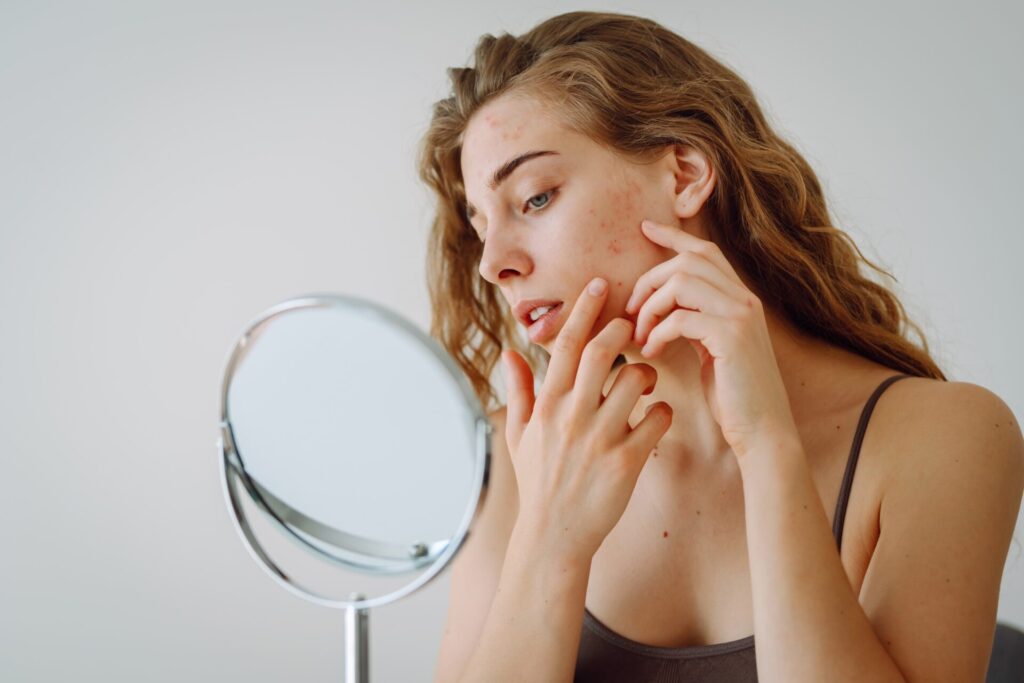
Your mobile phone can harbour a surprising amount of bacteria. Each time you use it, you transfer those bacteria onto your face, which may contribute to infections and skin inflammation. On top of that, the pressure of the phone against your skin can contribute to clogged pores.
How to address it? Regularly clean your phone screen with antibacterial wipes. When possible, use earphones or speakerphone to avoid direct contact with your face.
5. Diet: an underrated factor
While research is still ongoing, several studies suggest that certain foods can worsen acne. For example, excessive consumption of dairy products or high-glycaemic foods (such as refined sugar, white bread, and pasta) can raise insulin levels in the blood, leading to increased sebum production.
Hormonal acne: why an anti-inflammatory, low-sugar diet can help your skin
How to address it? Opt for a balanced diet rich in vegetables, fruit, and lean proteins. Certain anti-inflammatory foods — such as oily fish high in omega-3 — may also help reduce skin inflammation and prevent breakouts.
6. Lack of sleep: a skin disruptor
Sleep is when your body regenerates. When you’re sleep-deprived, your skin becomes more vulnerable to inflammation and breakouts. A lack of rest also disrupts hormonal balance, which can worsen skin imperfections.
How to address it? Try to maintain a consistent sleep schedule and aim for at least 7 to 9 hours of sleep each night. Quality sleep is essential not only for your overall wellbeing, but also for the health of your skin.
7. Unsuitable skincare products: a routine that can make acne worse
Sometimes acne is aggravated by the very skincare products you’re using — even those marketed to treat it. Overly harsh formulas or products containing alcohol can dehydrate the skin, triggering excess sebum production as a reactive response. Certain comedogenic ingredients can also block pores.
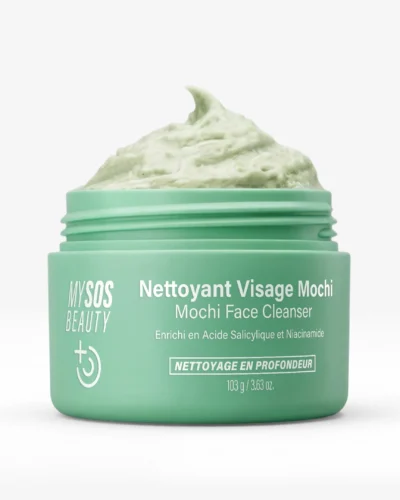
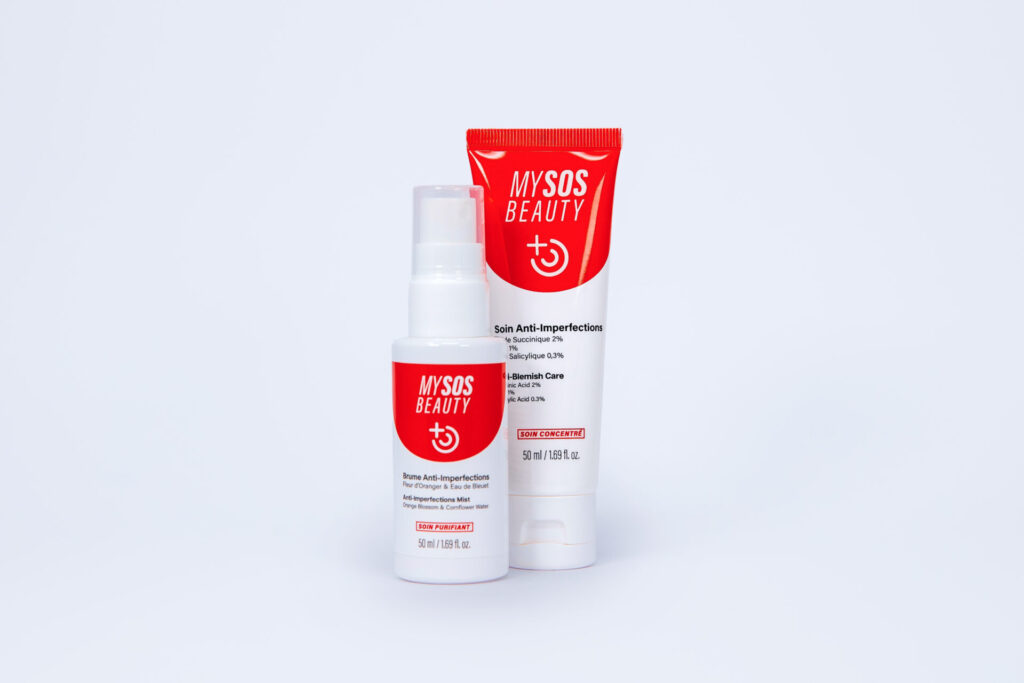
How to address it? Choose non-comedogenic products suited to your skin type. Favour gentle formulas containing ingredients such as salicylic acid, succinic acid, or zinc, which may help regulate sebum production without irritating the skin.
8. Touching your face with unwashed hands: a habit worth breaking
Touching your face is an unconscious gesture many of us make throughout the day. Yet our hands are constantly in contact with surfaces that harbour bacteria. Every time you touch your face, you transfer those bacteria directly onto your skin, increasing the risk of developing breakouts.
How to address it? Try to minimise contact between your hands and your face as much as possible. If you do need to touch your skin, make sure your hands are clean first.
9. Climate and environment: external aggressors
Climatic changes — such as high humidity or excessive heat — can influence the appearance of acne. A hot, humid environment encourages perspiration, which, when it builds up, can clog pores. Similarly, prolonged sun exposure without protection can worsen acne.
How to address it? Protect your skin from environmental stressors. Apply a non-comedogenic sunscreen daily and adapt your skincare routine to the season — lighter hydration in summer, richer formulas in winter.
10. Makeup: a cover-up that can suffocate the skin
Certain makeup products — particularly heavy or oil-based formulas — can clog pores and trigger breakouts, especially if they’re not properly removed at the end of the day.
How to address it? Choose lightweight, non-comedogenic makeup. Make sure to thoroughly cleanse your skin every evening using a gentle cleanser that respects your skin barrier.

Acne can have many hidden causes — from stress and hair products to diet and sleep deprivation. The good news is that by identifying these triggers, you can adjust your skincare routine and lifestyle to reduce breakouts. Remember that every skin is unique, and it’s important to test different changes to find what works best for you.
On days you skip a wash, dry shampoo only masks oil, and build-up left along the hairline can still travel onto the forehead and clog pores.
If acne persists, don’t hesitate to consult a dermatologist for tailored solutions. By taking a holistic approach that accounts for these lesser-known causes, you’ll give yourself the best chance of achieving clearer, healthier-looking skin.
Frequently asked questions
When you’re stressed, your body releases cortisol, the so-called stress hormone. Too much cortisol can boost sebum production, which may block pores and set the scene for breakouts. Managing stress through relaxation techniques or ensuring a good night’s sleep can help keep this cycle under control.
Yes. Some shampoos, conditioners and styling creams contain comedogenic ingredients such as silicones or mineral oils. These can travel onto the skin, especially along the hairline, and clog pores, leading to breakouts. Choose silicone-free, mineral-oil-free, non-comedogenic hair care and rinse your face well after use.
Your phone’s screen gathers bacteria throughout the day. Pressing it against your face transfers those microbes, which can trigger inflammation and breakouts. The pressure of the device can also contribute to clogged pores. Clean the screen regularly with antibacterial wipes and use earphones or speakerphone where possible.
Sleep is when your body carries out its repair work. When you’re short on rest, the skin becomes more prone to inflammation and breakouts, and hormonal balance can be disturbed, which may aggravate blemishes. Aim for a consistent routine that gives you 7-9 hours of quality sleep each night.
Opt for lightweight, non-comedogenic formulas. Heavy, oil-rich foundations are more likely to clog pores, especially if they’re not fully removed. Always finish the day with a gentle cleanser that respects the skin barrier to ensure no residue is left behind.
Related articles
- Back and body acne: understanding the causes to find effective solutions
- The must-have skincare ingredients to effectively fight acne
- Makeup and acne: how to choose your products without making breakouts worse?
Useful categories: Blemishes.

Helps reduce the appearance of imperfections
- Soothes redness
- Prevents the appearance of new pimples
- 95.9% natural formula