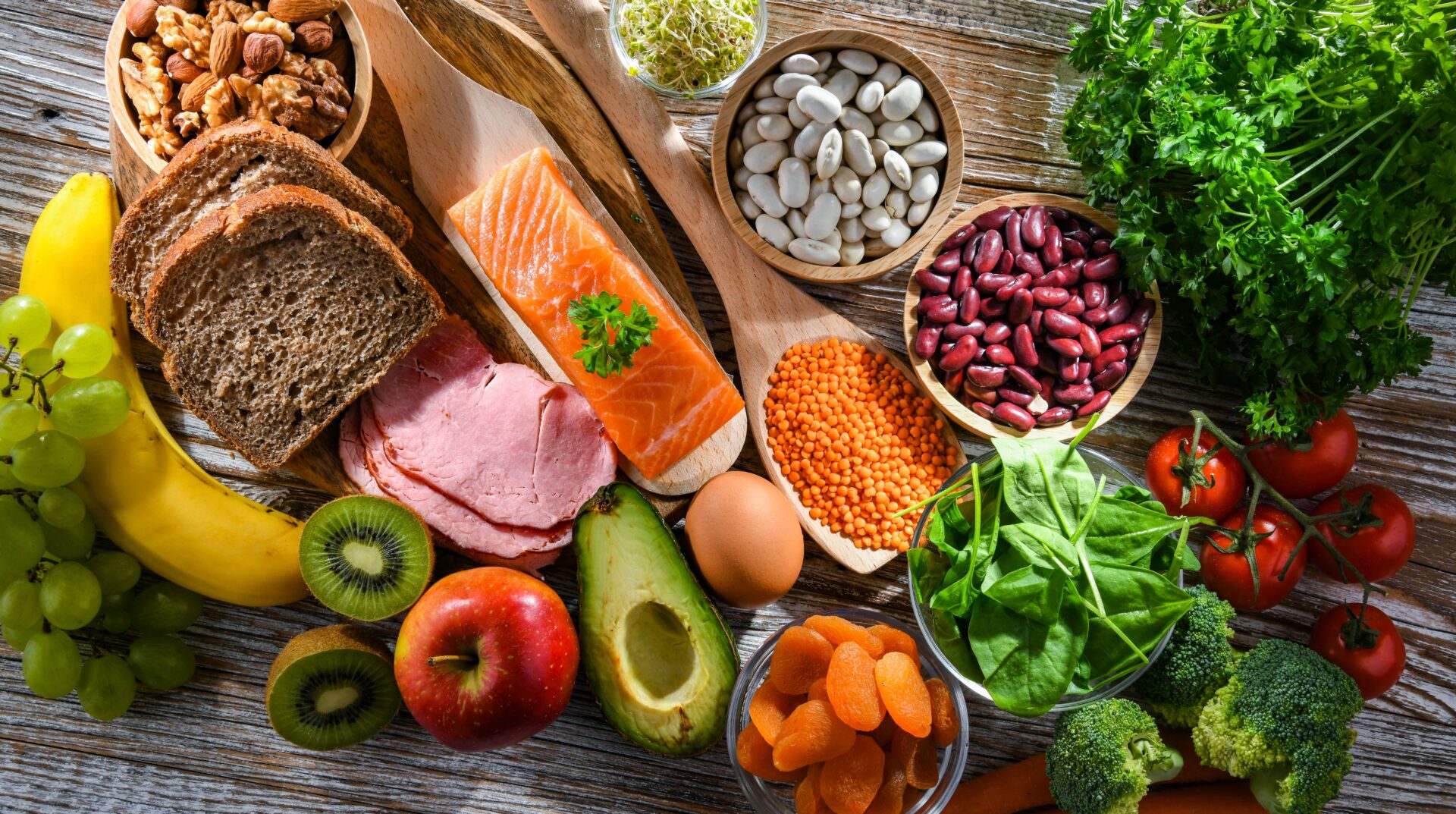
When dealing with hormonal acne, it’s easy to focus on hormones, stress, or the products you apply to your skin. Yet there’s another factor that plays a significant role in skin balance: diet.
What you eat can influence inflammation in your body, sebum production, and even hormonal balance. An anti-inflammatory, low-sugar diet can therefore help improve the condition of your skin, alongside a tailored skincare routine.
Let’s explore how these two aspects work together.
Sommaire
The link between sugar, hormones, and acne
A growing body of research shows that diets high in fast sugars and high-glycaemic foods — such as pastries, fizzy drinks, white bread, and ultra-processed products — can worsen acne.
When you consume these foods, blood sugar rises rapidly. The body then releases insulin, which stimulates the production of a hormone called IGF-1. This hormone can in turn increase sebum production and encourage breakouts.
This process can also amplify inflammation throughout the body — a factor frequently associated with hormonal acne.
Conversely, a lower-glycaemic diet can help stabilise blood sugar and reduce these inflammatory responses, which may have a positive effect on the skin.
The foundations of an anti-inflammatory diet for skin
Eating an anti-inflammatory diet doesn’t mean following a strict regime or giving up all your favourite foods. The goal is simply to rebalance your food choices to support your body and the health of your skin.
Foods to favour
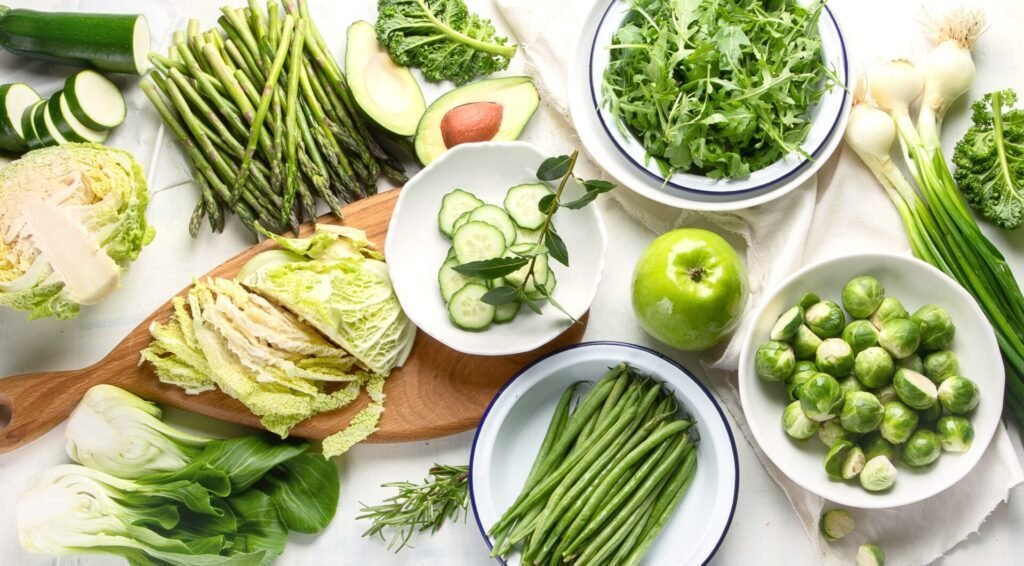
Certain foods help reduce inflammation and support skin balance.
- Green vegetables and antioxidant-rich fruits
Antioxidants help protect skin cells from oxidative stress and inflammation. You’ll find them in spinach, broccoli, kale, and carrots, as well as in certain fruits such as berries (strawberries, raspberries, blueberries), pomegranate, and oranges.
- Oily fish rich in omega-3
Salmon, mackerel, sardines, and herring are all excellent sources of omega-3 fatty acids. These are well known for their anti-inflammatory properties and may help calm certain inflammatory skin reactions.
- Fibre-rich wholegrains
Unlike refined grains, wholegrains have a lower glycaemic index and release energy more gradually. They help avoid blood sugar spikes that can stimulate sebum production. Good options include quinoa, brown rice, oats, wholegrain bread, and buckwheat.
- Zinc-rich foods
Zinc is an essential mineral for the skin. It helps regulate sebum production and supports skin repair. You’ll find it in pumpkin seeds, cashew nuts, lentils, chickpeas, eggs, and seafood.
These nutrients help calm inflammation, support skin repair, and maintain a more balanced complexion over time.
Foods to limit

For those prone to hormonal acne, it can be helpful to cut back on foods that trigger blood sugar spikes.
For example:
- fizzy drinks and sugary beverages
- pastries and sweets
- refined grains (white bread, white pasta)
- ultra-processed foods
These products can stimulate sebum production and promote skin inflammation.
This doesn’t mean eliminating them entirely, but enjoying them in moderation can help your skin find a better balance.
Why diet alone isn’t enough
Even though diet can play an important role, hormonal acne remains multifactorial.
Hormones, stress, sleep, genetics, and environment can all influence the condition of your skin.
That’s why the best results tend to come from combining:
- a balanced diet
- healthy lifestyle habits
- a skincare routine tailored to blemish-prone skin
Building an effective anti-blemish routine
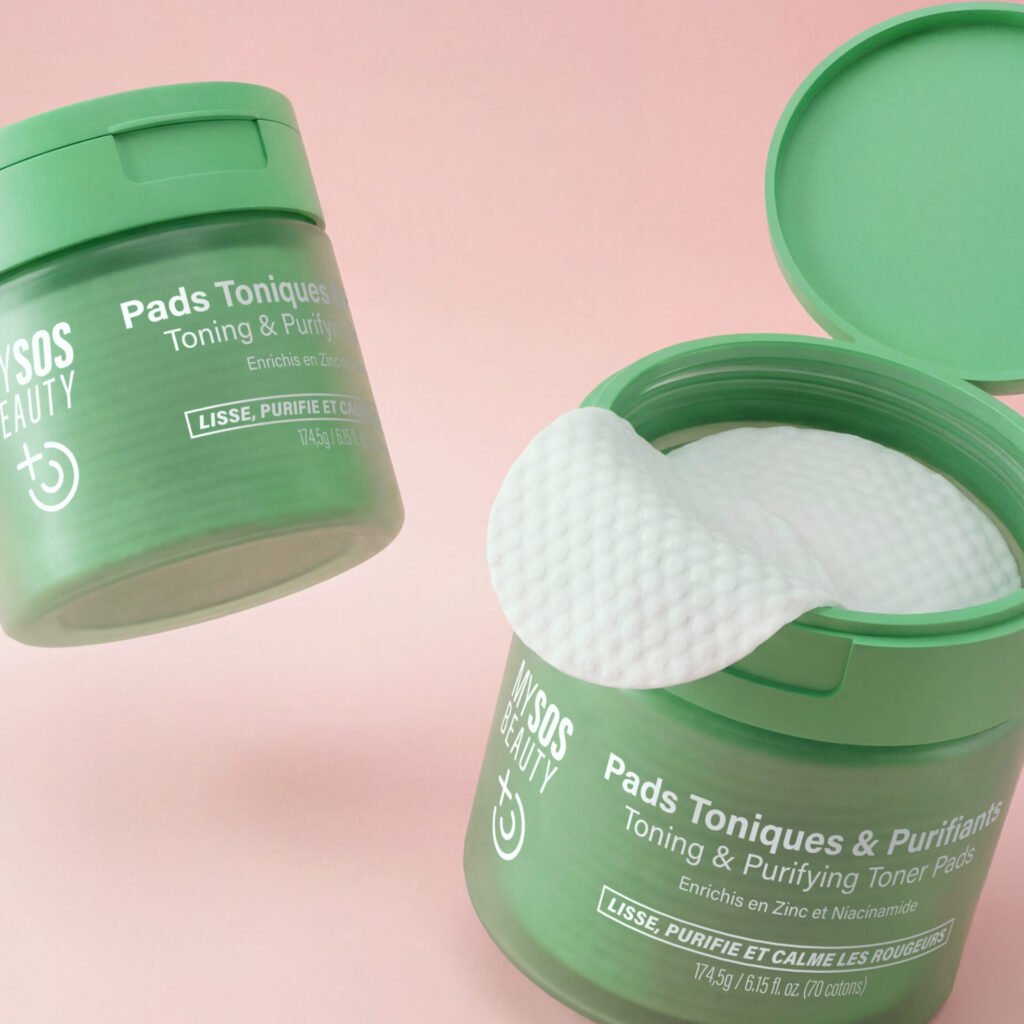
Alongside a more balanced diet, a targeted skincare routine can help purify the skin and minimise blemishes.
- Cleanse and exfoliate gently
Regular exfoliation helps remove the build-up of dead skin cells that can clog pores and cause breakouts.
The My SOS Beauty Toning & Purifying Pads are a great addition to this type of routine. They gently exfoliate the skin while helping to purify pores and refine skin texture.
Used a few times a week after cleansing, they help keep skin looking clearer and reduce the appearance of new blemishes.
- Target individual blemishes
When a spot appears, the best approach is to avoid touching or picking it, to minimise the risk of scarring.
Targeted solutions such as Micropoints patches or Hydrocolloid patches by My SOS Beauty work directly on the blemish, protecting the area and helping it fade faster.
A holistic approach to more balanced skin
When dealing with hormonal acne, it’s tempting to look for a quick fix. But skin rarely works that way.
Lasting improvements generally come from a holistic approach that combines:
- a more anti-inflammatory diet
- reducing fast sugars
- a gentle yet targeted skincare routine
- better stress and sleep management
Over time, these adjustments help the skin find its natural balance.
In summary
Cutting back on fast sugars and adopting an anti-inflammatory diet can help reduce hormonal acne flare-ups by acting on both inflammation and hormones.
But for real results, it’s essential to pair this approach with a tailored skincare routine — featuring purifying and targeted products like toner pads and anti-blemish patches.
Because skin isn’t only treated from the outside… it’s also nourished by what you put on your plate.