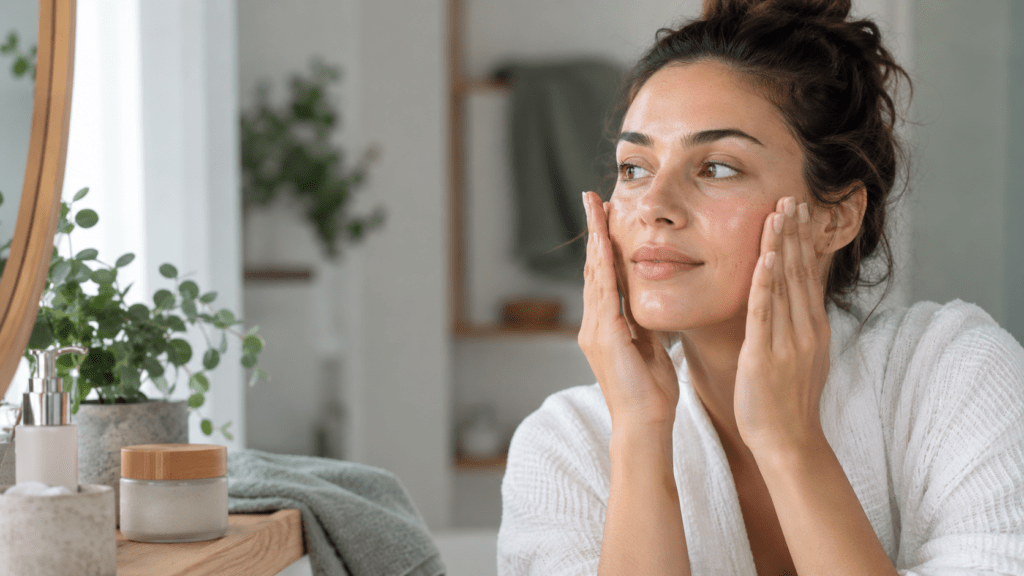
Does your skin shine on the surface but feel tight after cleansing or by the end of the day? You may have oily, dehydrated skin. This skin paradox is surprisingly common, though it’s often misunderstood, and in trying to mattify their complexion, many people make mistakes that only make things worse.
In this guide, you’ll learn how to spot the signs of oily, dehydrated skin and why this imbalance happens. You’ll then see how to build a routine that suits it: gentle cleansing, lightweight hydration, balancing actives and good daily habits. You’ll also find out which mistakes to avoid.
Understanding the Oily yet Dehydrated Skin Paradox
Oily dehydrated skin displays two seemingly opposite characteristics:
- Excess sebum: the skin shines easily, particularly in the T-zone (forehead, nose, chin), pores are visible, and blemishes (spots, blackheads) can appear frequently.
- Lack of water in the tissues: despite excess sebum on the surface, the skin feels tight, uncomfortable, and may even show dry or flaky patches, particularly on the cheeks or around the nose.
How to Precisely Identify Oily Dehydrated Skin? 🔍
Here are some concrete signs to recognise it:
- Your face becomes shiny just a few hours after cleansing, yet you still feel tightness — especially right after washing or by the end of the day.
- Your skin sometimes feels oily and dry at the same time: greasy to the touch, yet with rough, flaky, or uncomfortable patches.
- You notice enlarged pores alongside fine lines, often around the eyes, on the cheeks, or across the forehead.
- Your skin reacts easily to external aggressors: it reddens or becomes irritated quickly, especially after certain products or cleansing routines.
Why Does This Imbalance Occur?
Several factors explain this particular condition:
- Overuse of mattifying or drying products: harsh cleansers, alcohol-based toners, or overly powerful anti-blemish treatments disrupt the skin barrier, making it more vulnerable to dehydration. In response, the skin overproduces sebum to protect itself.
- Environmental factors: pollution, air conditioning, central heating, or hard water all contribute to water loss in the epidermis, worsening deep dehydration.
- Age and hormones: hormonal fluctuations — particularly during periods of stress or throughout a woman’s menstrual cycle — can aggravate this imbalance and increase skin sensitivity.
Once you understand what’s going on, you can choose targeted skincare that tackles the root cause rather than just the symptoms.
How to Deeply Rebalance Oily Dehydrated Skin? 🌿
Here’s a practical, step-by-step approach to help restore your skin’s balance:
Gentle yet Effective Cleansing to Preserve the Skin Barrier
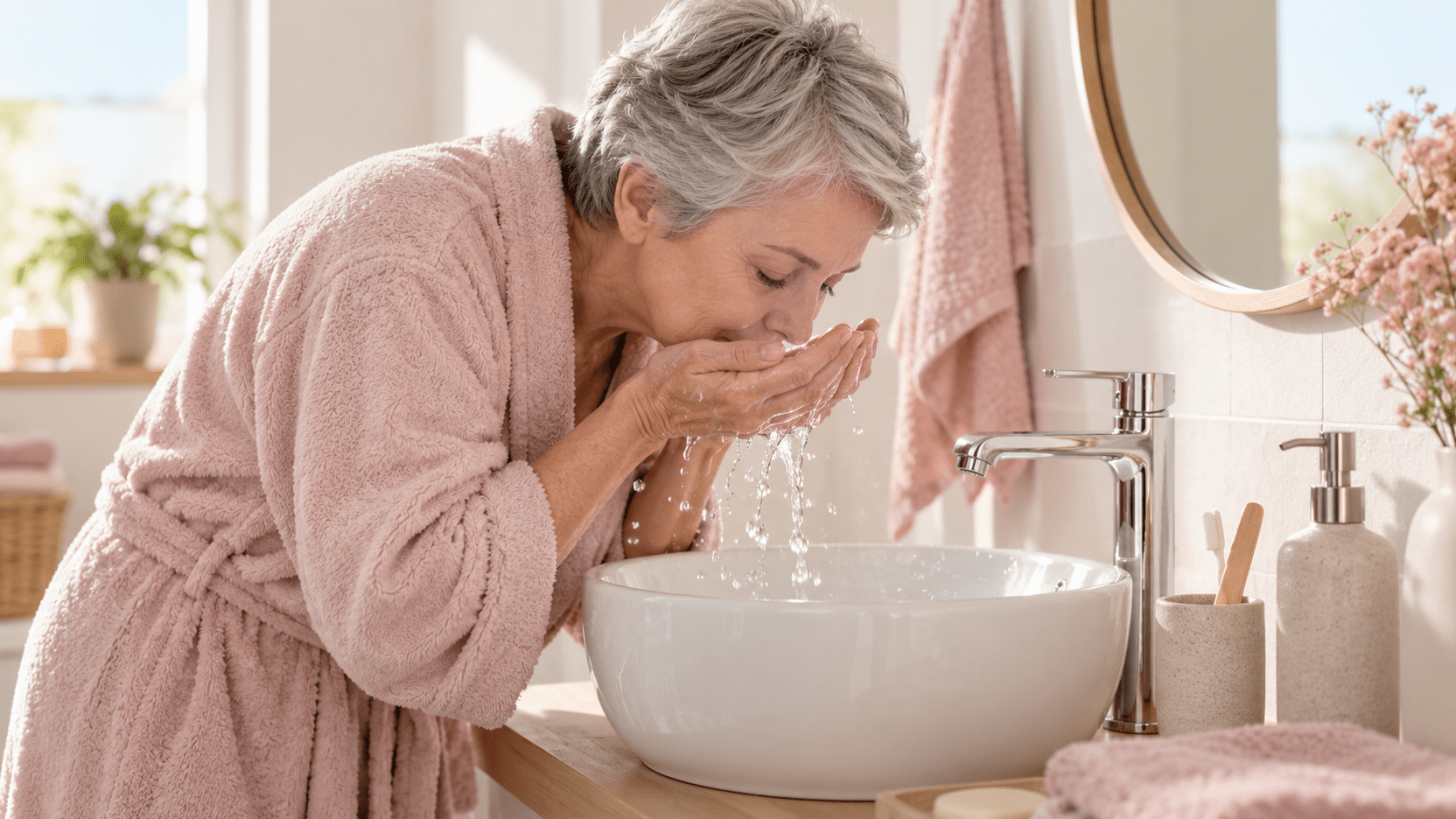
Why? Overly harsh cleansing strips the skin’s natural protective film, causing tightness and triggering excess sebum production.
Choose:
- A gentle cleanser with a balanced pH (ideally between 5 and 6).
- A gel or foam cleanser free from sulphates to preserve hydration.
- Avoid at all costs: highly alkaline bar soaps, overly detergent gels, and irritating micellar wipes.
Practical tip 💡
Opt for a double cleanse (a cleansing oil followed by a gentle cleanser) to remove impurities without causing irritation.
Hydrate Without Weighing Skin Down: The Secret to Healthy Skin 💦
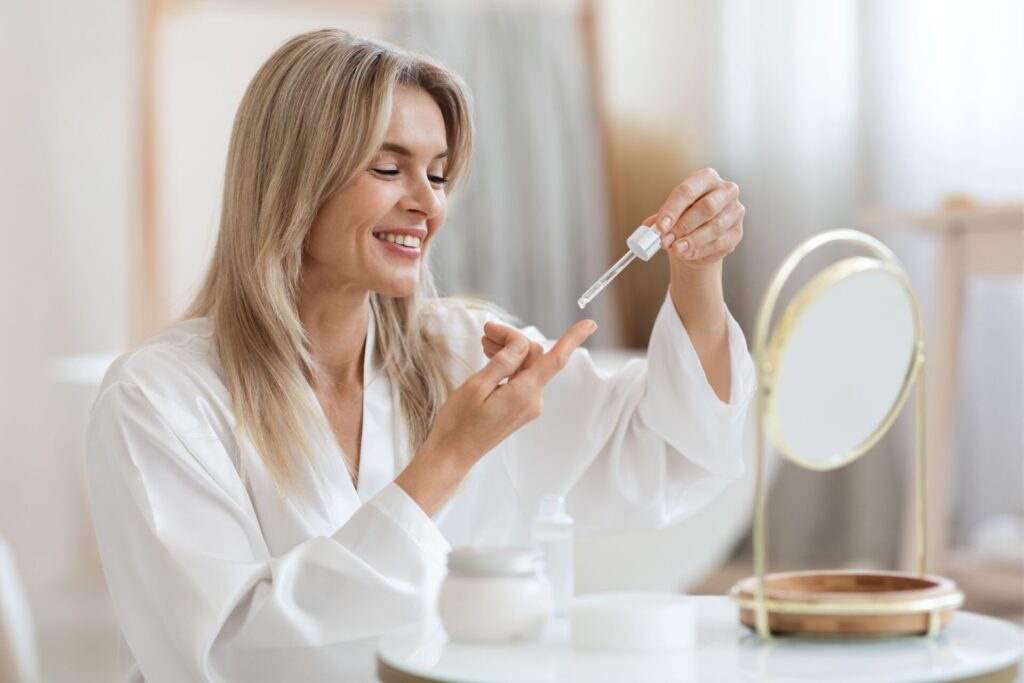
Hydration is essential to correct deep dehydration:
Why hydrate oily skin?
When skin is short of water, it makes up for it by producing more oil. Keeping it properly hydrated therefore helps bring sebum production back into balance.
The ideal active ingredients:
- Hyaluronic acid (capable of retaining up to 1,000 times its weight in water).
- Vegetable glycerin (hydrates and protects without leaving a greasy feel).
- Panthenol (vitamin B5), soothing and comforting.
Opt for lightweight textures (gel-cream, aqueous serum) to avoid clogging pores or weighing skin down.
Balancing Actives to Control Excess Sebum 🌿
Choose gentle regulating ingredients that are effective without drying the skin out:
- Niacinamide: a key ingredient that helps regulate sebum production, reduce the appearance of blemishes, and strengthen the skin barrier.
- Salicylic acid (BHA): helps unclog pores, calm the look of redness, and support cell renewal.
- Zinc: helps soothe the skin and limit blemishes without drying it out.
Mistakes to Avoid at All Costs 🚫
- Skipping moisturiser out of fear of increasing shine.
- Using alcohol-based or irritating soap products.
- Forgetting sun protection, which is essential for preserving the skin barrier.
Essential Daily Habits to Adopt🍏💧

- Balanced Diet and Internal Hydration
- Limit fast sugars and ultra-processed foods, which trigger insulin spikes and excess sebum production.
- Stay well hydrated (1.5 to 2 litres of water per day) to maintain the skin’s natural water balance.
- Stress Management for Balanced Skin 🧘
- Chronic stress increases cortisol production, a hormone that stimulates excess sebum. Incorporate relaxing practices such as yoga, meditation, or deep breathing into your daily routine.
My SOS Beauty Solutions: Achieve Skin Balance 🌟
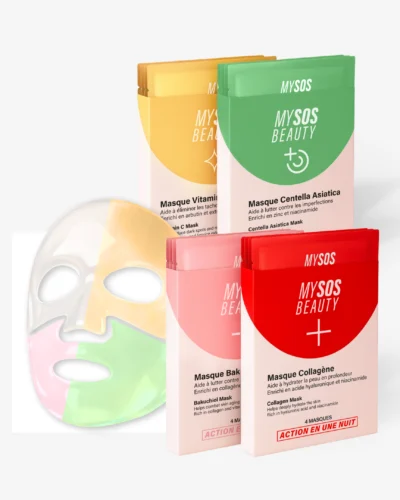
At My SOS Beauty, we understand how challenging it can be to manage the delicate balance of blemish-prone skin — especially when it is both oily and dehydrated. Our holistic approach helps you achieve healthier-looking, more comfortable skin by combining effective skincare that respects the specific needs of every skin type. To discover all our solutions for a clearer, radiant, and more balanced complexion, visit our My SOS Beauty website.
Frequently asked questions
Yes, and it’s very common. Your skin produces too much sebum, so it shines, especially across the T-zone, pores look enlarged and blemishes can appear. At the same time, it’s lacking water. That’s why it can feel tight and uncomfortable, and sometimes shows dry, flaky patches, particularly on the cheeks or around the nose.
Yes. When skin is short of water, it makes up for it by producing more sebum, so keeping it hydrated helps bring oil production back into balance. Skipping moisturiser for fear of looking shiny is a common mistake. Go for lightweight textures such as a gel-cream or a water-based serum, with ingredients like hyaluronic acid, vegetable glycerin or panthenol.
Cleansing that’s too harsh strips away your skin’s natural protective film. This can leave it feeling tight and trigger excess sebum production. Choose a gentle, pH-balanced cleanser, ideally with a pH between 5 and 6, such as a sulphate-free gel or foam. Steer clear of highly alkaline bar soaps, harsh cleansing gels and irritating micellar wipes.
Look for gentle balancing actives. Niacinamide helps regulate sebum production and strengthen the skin barrier. Salicylic acid (BHA) helps unclog pores and promote cell renewal. Zinc helps soothe the skin and limit the appearance of blemishes without drying the skin. On the other hand, avoid alcohol-based products and irritating soaps.
Yes. Foods high in rapidly absorbed sugars and ultra-processed foods can cause insulin spikes, which may contribute to excess sebum production. Drinking 1.5 to 2 litres of water a day helps maintain your skin’s natural water balance. Chronic stress can also increase cortisol production, which may stimulate sebum production, so relaxing practices such as yoga, meditation or deep breathing can help.
Conclusion ✨
The paradox of oily dehydrated skin may seem complex, but finding balance may help: cleanse without stripping, hydrate without overloading, and treat with care. By adopting the right habits, avoiding common pitfalls, and selecting the right active ingredients, you may help restore greater harmony to your skin.
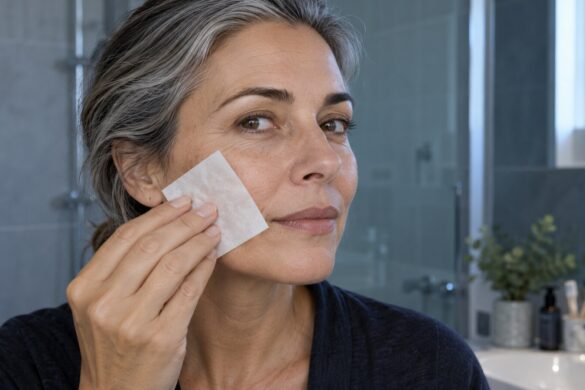
By lunch the T-zone can look slick again, so blot once and mist instead of adding powder: a shine touch-up without extra layers stops the finish going cakey.
Related articles
- Does beauty sleep really exist? Everything you need to know about overnight skin regeneration
- Understanding Active Ingredients: Which Ones Can You Really Combine?
- Understanding Your Skin’s pH: Why It Matters for Choosing the Right Skincare
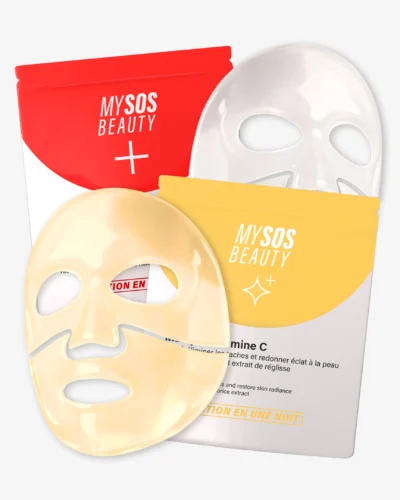
 -44%LIMITED OFFER