
When your skin feels tight, notice how long it lasts and whether your skin also looks or feels different. Dry skin mainly lacks lipids and often stays rough, uncomfortable or prone to small flakes. Dehydrated skin lacks water. It may look creased, with more noticeable lines and discomfort that comes and goes, easing after a hydrating product. Your skin can be both dry and dehydrated, even if it is not shiny.
What separates dry skin from dehydrated skin?
Dryness is generally a skin type or a lasting tendency. The skin produces little sebum and has fewer surface lipids to help keep it comfortable. It may look matte or dull and feel rough to the touch. Tightness after cleansing is common and can linger for several hours.
Dehydration is more often temporary: the skin lacks water in its outer layers, and its condition can fluctuate. Cold weather, overly stripping cleansing, sun exposure, a lack of sleep or too many active treatments can all contribute. You may notice fine dehydration lines, especially around the eyes or on the cheeks.
Dry skin can become dehydrated too, particularly when it does not retain water well. In that case, hydrating ingredients help, but your routine also needs to address the ongoing discomfort.
What your skin can tell you
| What you notice | Most likely explanation | What to focus on |
|---|---|---|
| Lasting tightness, a rough feel and small flakes | Dry skin | Comfort and replenishing lipids |
| A creased appearance, more visible fine lines and discomfort that comes and goes | Dehydration | Hydration and gentle care |
| Persistent roughness, dullness and lines that show easily | Possible dryness and dehydration together | Hydration alongside more nourishing care |
| Discomfort straight after cleansing that then improves | A harsh routine or a lack of water in the outer layers | Gentler cleansing |
These signs can guide you, but they cannot measure water levels in your skin. Temperature, humidity, the products you use and the condition of your skin barrier all affect how your skin feels.
Give yourself a few days to notice the pattern
Does the discomfort linger?
If your skin stays rough after a soothing skincare product, dryness is likely to be a significant factor. Tightness that mostly follows a shower or certain cleansers, then eases after a hydrating formula, may point more towards dehydration.
Check your cheeks as well as your forehead
Even when your skin is not oily, your cheeks and the area around your mouth may feel uncomfortable while your forehead feels normal. You do not necessarily have several skin types: different areas of the face naturally have different needs.
Leave the pinch test out
Skin elasticity cannot tell you its hydration level. Instead, keep your routine consistent for a few days. Notice whether your skin feels more comfortable or less rough, and whether fine lines look different.
Choosing skincare that helps
If dehydration seems to be the issue, keep your routine simple and look for humectant ingredients such as glycerin or hyaluronic acid. Hyaluronic acid helps retain water within the formula and leaves skin feeling more supple. You can find more guidance in our article on hyaluronic acid and facial hydration.
Dry skin may need more than hydration. A richer cream or a product that helps limit water loss can make a difference to comfort. Apply it after cleansing, without rubbing, while your skin still feels slightly supple. Aim to ease tightness rather than keep adding layers.
Whatever your skin needs, use lukewarm water and avoid prolonged rubbing when you cleanse. The American Academy of Dermatology recommends a gentle, non-abrasive cleanser without alcohol. If your skin reacts, our guide to a weakened skin barrier may help you understand what is happening.
Can a hydrating mask help?
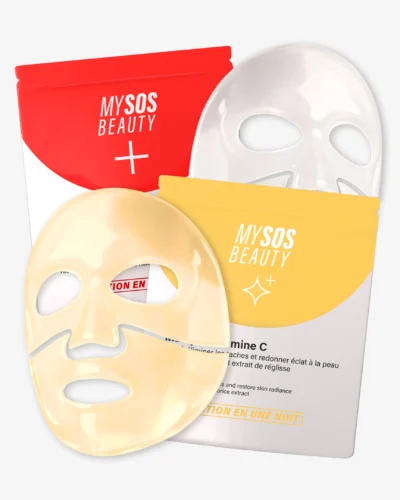
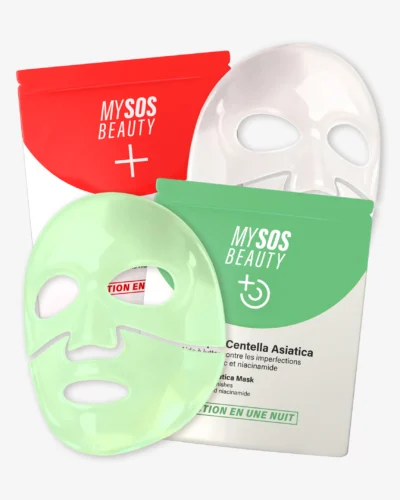
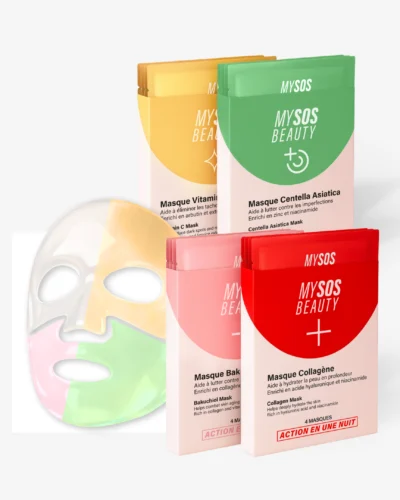
A hydrating mask can be a useful addition when discomfort mainly comes from a lack of water in the skin’s outer layers. In the French range, the manufacturer describes Pack de 4 Masques Bio-Collagène as an intensely hydrating treatment that leaves skin looking fresher, more supple and smoother. Its formula includes glycerin, betaine and hyaluronic acid. This link leads to the French product source, not a local product offer.
The manufacturer’s instructions are to apply the mask to clean skin, placing the lower half of the face first, followed by the upper half. Leave it on for at least 4 hours, or overnight, until it becomes completely transparent. The manufacturer advises using it once a week, with no need to rinse your face after removing it.
This kind of mask mainly helps with hydration and comfort. If your skin still feels rough or tight, or continues to flake, keep a more nourishing product in your daily routine too. Our tips for keeping skin hydrated offer more guidance.
Keep your routine gentle for a few days
Start with a gentle cleanser, avoiding very hot water and rubbing. Follow with a hydrating product while your skin still feels comfortable. If roughness or discomfort remains, add a more protective cream rather than relying on hydration alone.
If your skin stings, flakes or becomes red, temporarily cut back on exfoliants. Give yourself several days to see how your skin responds before replacing your whole routine. Keeping things consistent makes it easier to notice what helps.
Oily skin that is dehydrated needs a different approach. If you have been comparing your skin with that combination, those signs need a different interpretation, especially when shine and visible pores are your main concerns.
FAQ
Can dry skin benefit from hyaluronic acid?
Yes. Skin can lack lipids and be dehydrated at the same time. Hyaluronic acid can help it feel hydrated and comfortable, but if roughness persists, you still need a protective skincare product.
Why does my skin only feel tight after cleansing?
Cleansing, hot water or rubbing can temporarily make your skin feel uncomfortable. Try a gentler cleanser and pat your face dry rather than rubbing it.
Is a mask enough to care for dry skin?
No. A mask can bring temporary hydration and comfort, but dry skin generally needs a consistent, protective daily routine.
 -44%LIMITED OFFER

Comments (0)