

A shiny forehead and nose when you wake up, but tight cheeks after washing? Combination skin often feels like this. You may only need a few products.
You don’t have to treat every part of your face the same way. A little less product here, a little more there, or a gentler cleanse can help you adapt your routine to how your skin feels, morning and night.
In the morning, check how your skin feels
Before washing your face, take a moment to notice any shine and how your cheeks feel. If your T-zone is only slightly shiny and your cheeks feel supple, a rinse with lukewarm water may be enough. If your skin feels coated or heavy, use a small amount of gentle cleanser and rinse thoroughly.
There’s no need to rub your forehead and nose until they look completely matte. Extra rubbing won’t make them cleaner and may leave your cheeks uncomfortable. Cleanse with clean fingers and a light touch, then gently press a clean towel against your skin.
Start with a small amount of moisturiser across your face. A thin layer may be enough for your T-zone; if your cheeks still feel tight or less supple, add a little more there.
If you’re unsure which texture to choose, knowing what the ingredients do can help. Humectants, emollients and film-formers have different jobs and affect how a product feels on your skin. You’ll find more detail in Humectants, emollients and film-formers: three functions not to confuse.
What that might look like in practice
Rinse your face or give it a brief cleanse, depending on how it feels when you wake up. Follow with a light moisturiser, adding a little extra to tight cheeks. Use sun protection suited to your exposure and follow the instructions on the packaging. Makeup can come afterwards; you don’t need to add extra skincare layers by default.
If your face becomes shiny soon after your routine, try using less product on your forehead, nose and chin first, rather than cutting out hydration altogether. If it’s your cheeks that feel uncomfortable, give them a little more moisturiser without adding another layer across your whole face.
In the evening, cleanse according to your day
After a day of makeup, sun protection, sweat or dust, your skin may need a more thorough cleanse than it did in the morning. Use clean fingers and a gentle touch, then rinse and pat dry.
Remove makeup wherever you’ve applied it, including your eyes and lips when needed, then follow with a product suited to cleansing your face. On days when you’ve worn neither makeup nor sun protection and your skin feels comfortable, one gentle cleanse may be enough.
Pay attention to how your skin feels afterwards. Tight cheeks, roughness around the nose or a burning sensation are reasons to rethink how much product you use, how often you use it or the texture you’ve chosen. They don’t give you a diagnosis, but they can be a cue to simplify your routine.
You might prefer a richer-feeling texture on your cheeks at night, with a thinner layer on your T-zone. If your whole face feels comfortable, there’s no need to be generous with the amount. Adding products “just in case” can make it harder to tell what actually suits your skin.
When choosing a product, look at the formula as a whole. A comedogenicity rating on its own won’t tell you how well a cream will suit your face. We explain this in Comedogenicity ratings: can you judge a face cream ingredient by ingredient?.
When different areas need different care
Your forehead is shiny, but your cheeks feel tight
Keep your cleanse brief and use a light layer of moisturiser in the centre of your face. Add small amounts to your cheeks until they feel comfortable. You can do the same after your evening cleanse, rather than covering your whole face with a rich texture.
If you use powder to reduce shine, keep it to the areas that need it. Your cheeks don’t need an extra layer just because your forehead does. For help comparing finishes, see Loose or pressed powder: which should you choose for touch-ups?.
Your face is shiny as soon as you wake up
Take a look at how much skincare you’re applying to your T-zone, especially if you layer products that do similar jobs every day. Keeping things simple for a few days may help you spot which products leave your skin feeling heavy or coated.
This isn’t a fixed rule for every morning. Seasons, exposure, the products you use and your skin’s tolerance can all change what feels right. The amount that suits you now may feel too rich later.
Your cheeks become sensitive after cleansing
Try a shorter cleanse, lukewarm water and a gentle press with your towel rather than rubbing. In the morning, if the rest of your face feels comfortable, you can use cleanser only where it’s needed.
If redness, pain, significant burning or discomfort persists, stop using the product you suspect and ask a healthcare professional for advice. Resist the urge to add several new products to try to fix the reaction.
Keep your starting routine simple
A cleanser, moisturiser and sun protection can form the basis of your morning routine. In the evening, include makeup removal if needed. Before changing everything at once, try adjusting the texture or amount you use on each part of your face.
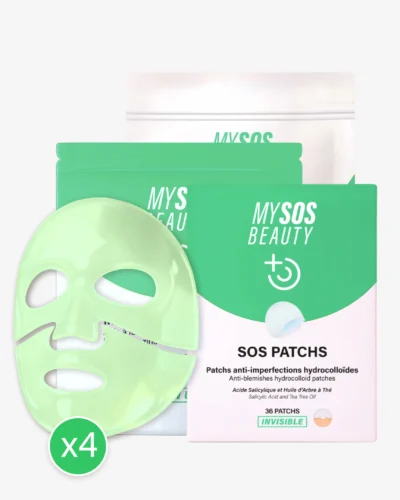
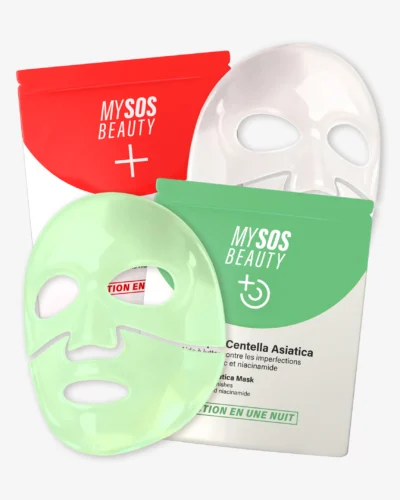
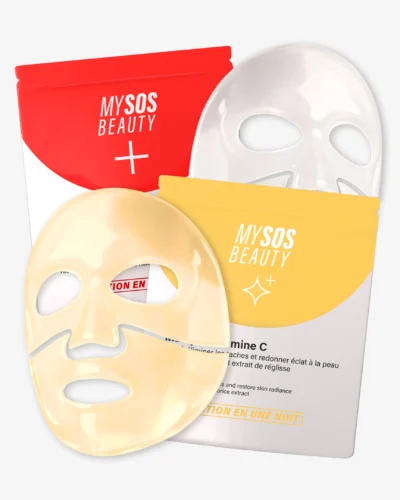
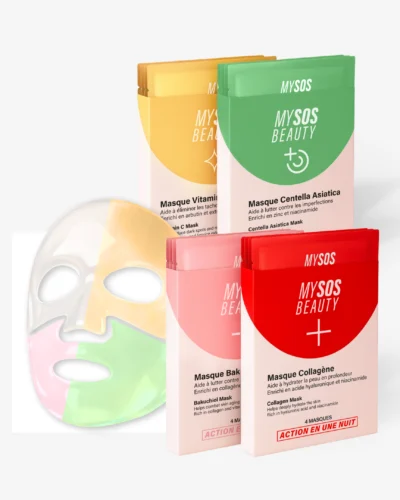
You’ll find Perfect Skin Routine and Hydrating Purifying Duo in the My SOS Beauty catalogue. Check availability and the instructions on each product page before buying, as the catalogue may change.
Before choosing a product, check its texture, ingredient list and instructions. Once you start using it, notice how your skin responds. For general information about cosmetics, you can consult Anses or the resources from the European Commission.
FAQ: morning and evening care for combination skin
Should combination skin be cleansed morning and evening?
Not necessarily in the same way. An evening cleanse removes what has accumulated on your skin during the day. In the morning, a rinse may be enough if your face feels comfortable and there’s no heavy film. If you use cleanser twice a day, keep an eye on how your cheeks and the area around your nose feel afterwards.
Do I need to apply the same product all over my face?
You can use one product and adjust the amount: a thin layer on your forehead, for example, and a little more on your cheeks. If the texture keeps feeling uncomfortable or you notice a reaction, stop using the product and seek advice.
When should I stop a routine?
Stop using any product that causes a clear reaction, especially pain, significant burning or persistent irritation. If the problem is pronounced or doesn’t go away, consult a healthcare professional.
Sources
- Perfect skin routine product page, My SOS Beauty
- Hydrating and purifying duo product page, My SOS Beauty
- Cosmetics, Anses
- Cosmetic products, European Commission
 -44%LIMITED OFFER


Comments (0)