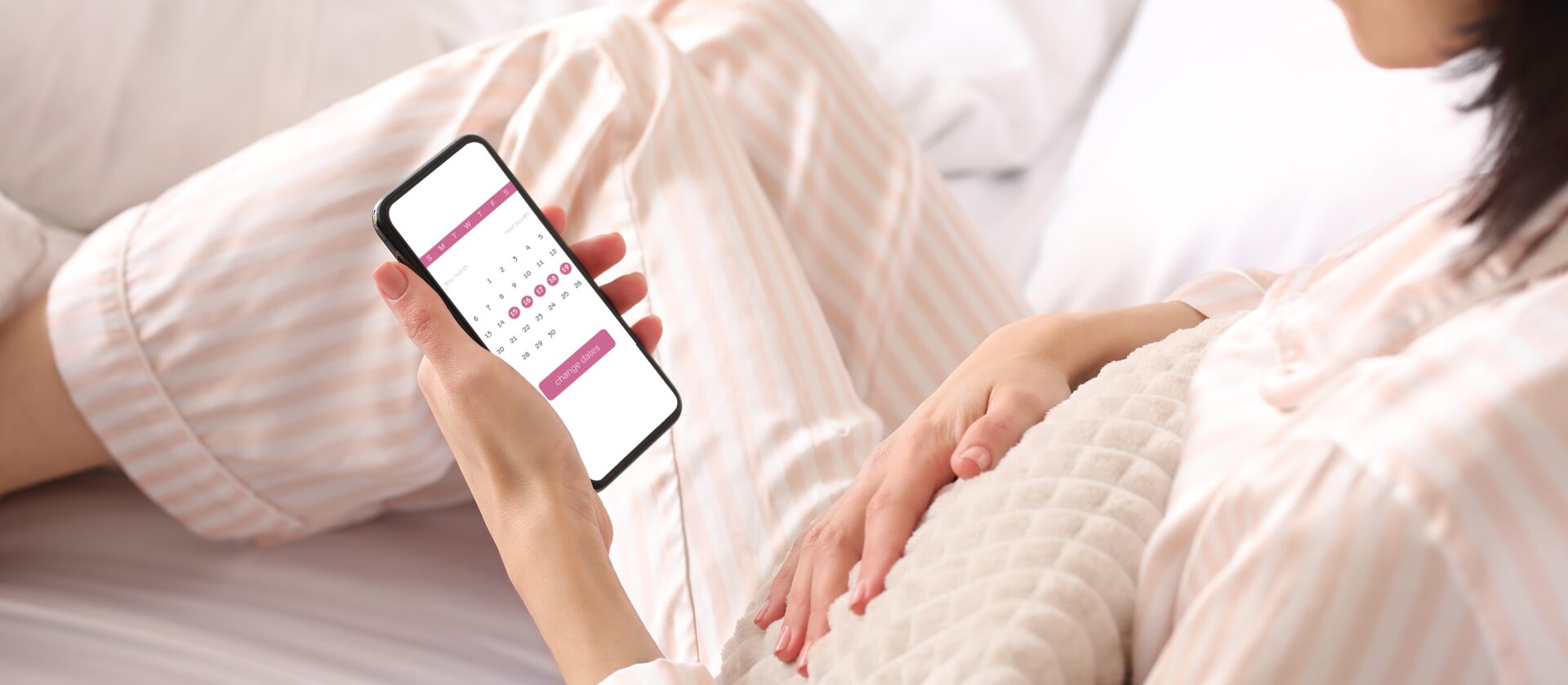
For many women, the menstrual cycle goes beyond mood swings, energy shifts, or heightened sensitivity. For some, it also brings sudden hormonal acne flare-ups: inflamed breakouts, increased skin sensitivity, excess sebum… But why does your skin react this way, and how can you effectively anticipate these episodes? Here is everything you need to know to better understand and manage blemishes linked to hormonal fluctuations.
Sommaire
What exactly is hormonal acne?
Hormonal acne is a specific form of acne primarily driven by hormonal fluctuations throughout the menstrual cycle. It mainly affects adult women, although some teenagers may also experience it.
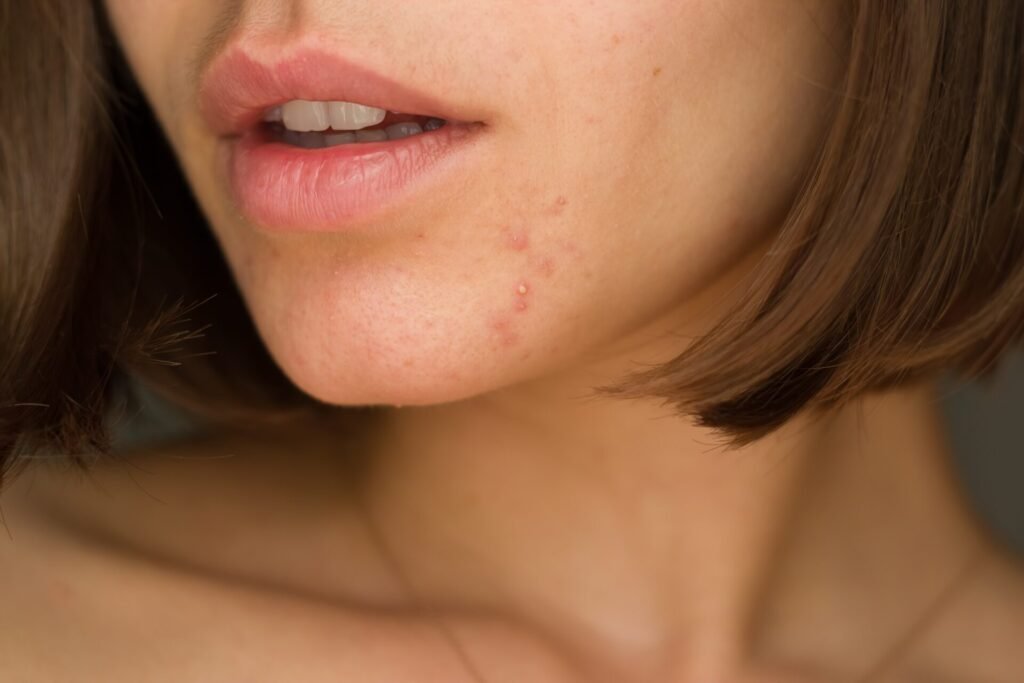
It is generally characterised by:
- Painful inflammatory breakouts (cysts, deep red spots).
- A tendency to appear on the lower face (jawline, chin, lower cheeks).
- Predictable flare-ups, typically around the same time each month (often before your period).
Why do hormones have such a strong impact on the skin?
The female menstrual cycle is governed by the constant fluctuation of hormone levels, particularly two key hormones: oestrogen and progesterone.
- First half of the cycle (follicular phase): During this phase, oestrogen levels gradually rise. This hormone is beneficial for the skin — it supports hydration, limits sebum production, and generally gives the complexion a clearer, more radiant appearance.
- Second half of the cycle (luteal phase): After ovulation, progesterone becomes dominant. This hormone stimulates the sebaceous glands, increasing sebum production. Excess sebum can clog pores and create an environment that encourages bacterial growth, leading to skin inflammation (spots, cysts).
As your period approaches, the sudden drop in oestrogen levels further aggravates this process, which is why blemishes tend to appear so regularly at this time.
How can you anticipate hormonal acne flare-ups?
Since hormonal fluctuations are predictable, it is entirely possible to adapt your beauty routine to each phase of your cycle:
1. Follicular phase (just after your period)
Your skin is generally clearer and more luminous.
- Keep your routine simple, gentle, and hydrating.
- Continue to gently exfoliate to prevent the build-up of dead skin cells and excess sebum.
2. Ovulation (mid-cycle)
Your skin may be at its best, but this is the ideal moment to start prevention.
- Begin incorporating gentle purifying actives (salicylic acid, niacinamide, zinc) to gradually regulate sebum production.
- Opt for lightweight, hydrating, non-comedogenic products.
3. Luteal phase (before your period)
This is the most critical period.
- Use targeted blemish-fighting treatments (salicylic acid gel, anti-spot patches) at the first signs of inflammation.
- Avoid overly rich or heavy products that could worsen pore congestion.
- Embrace an anti-inflammatory lifestyle: a balanced diet, reduced refined sugar intake, proper hydration, and stress management.
Key ingredients to prevent and treat hormonal acne 🍃
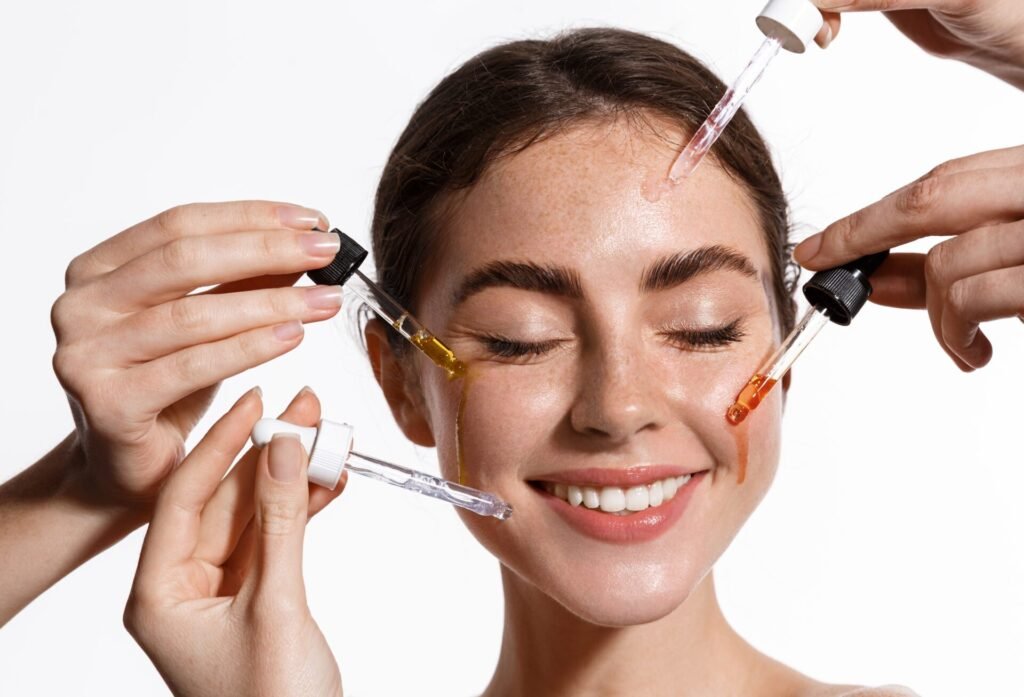
- Salicylic acid: a must-have for gentle exfoliation, unclogging pores, regulating sebum production, and reducing inflammation.
- Niacinamide (vitamin B3): helps regulate sebum, reduces redness, and strengthens the skin barrier.
- Zinc: purifying and soothing, it targets the bacteria responsible for acne.
- Retinol(use with care and according to your skin’s tolerance): regulates sebum production, refines skin texture, and helps prevent new blemishes from forming.
The My SOS Beauty approach 🌟
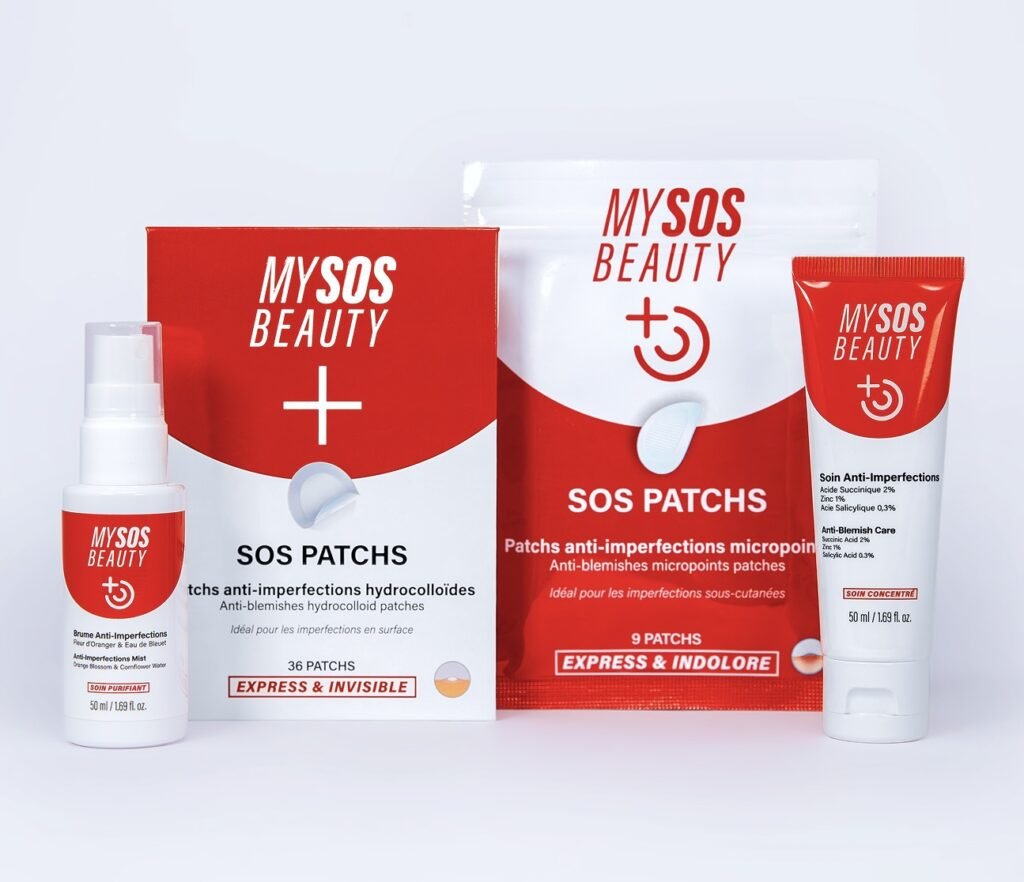
At My SOS Beauty, we have developed a complete anti-blemish range specially formulated to effectively address all acne-related concerns, whether hormonal or not:
- Soin Actif Anti-Imperfections: Formulated with salicylic acid, zinc, and succinic acid, it helps reduce existing spots and prevent new blemishes from appearing.
- SOS Patchs Micropoints et Hydrocolloïdes: These targeted patches deliver fast-acting results, visibly reducing inflammation, redness, and spot size from the moment they appear.
Explore all our solutions on our websiteMy SOS Beautyto effectively manage your hormonal acne every day.
Conclusion: Anticipate to better treat! ✨
Hormonal acne can feel discouraging, but by gaining a deeper understanding of your hormonal fluctuations and thoughtfully adapting your routine, you can significantly reduce its impact on your skin. Take the time to observe your skin throughout your cycle, build a targeted routine, and give it the care it truly needs.
Your skin will thank you with a noticeably clearer, healthier, and more balanced complexion! 🌸