
You’ve tried everything to get rid of blemishes: cleansing gels, targeted creams, serums… Yet breakouts keep coming back with no clear explanation. What if the answer lay in an overlooked habit that’s actually essential to your skin’s health: your pillowcase? Let’s explore how this simple accessory can have a real impact on breakouts, and which habits to adopt to protect your skin.
Why can your pillowcase cause breakouts? 💤
You may not realise it, but while you sleep, your face spends an average of 7 to 8 hours each night in direct contact with your pillowcase. During that time, your skin naturally releases sebum, dead cells, sweat, residues from skincare products (moisturisers, serums, oils…) and bacteria accumulated throughout the day — all of which gradually transfer onto your pillowcase.
If your pillowcase isn’t changed regularly, here’s what can happen:
- Build-up of bacteria and impurities: Every night, your face comes into prolonged contact with a potentially contaminated surface. This continuous exposure can trigger or worsen inflammation, encourage the appearance of spots, blackheads and comedones by clogging pores, and promote the proliferation of bacteria such as Cutibacterium acnes, which is responsible for acne.
- Increased skin irritation: Sensitive or blemish-prone skin can be particularly affected by repeated friction. A dirty pillowcase — or one made from an irritating fabric — can worsen redness, inflammation and sensitivity, leaving skin more vulnerable to breakouts.
Pillowcases: a real cause of breakouts or just a myth?
This is no myth: several dermatological studies have shown that the cleanliness of textiles in direct contact with the skin (pillowcases, towels, bed sheets) significantly influences the frequency and severity of acne flare-ups. According to the American Academy of Dermatology, textiles that accumulate bacteria and dirt contribute to the vicious cycle of recurring blemishes, particularly in teenagers or adults with combination to oily skin.
That said, it’s important not to jump to conclusions: while a pillowcase can aggravate acne, it is never the sole cause. Other factors are always at play: hormonal imbalances, diet, stress, unsuitable skincare, pollution…
However, your pillowcase is a simple variable you can change to meaningfully help reduce flare-ups or lessen their intensity.
Which pillowcases should you choose to protect your skin?
- Classic cotton: a staple that needs regular care 🧺
Cotton is one of the most common pillowcase fabrics. It’s soft, comfortable and absorbent, but tends to trap bacteria, oils and impurities from your face and hair quite easily. To prevent your pillowcase from becoming a source of breakouts, change it at least twice a week — more often if you’re prone to acne flare-ups. Wash it at a sufficiently high temperature (around 60°C) to effectively eliminate bacteria.
- Silk or satin: an ideal alternative for your skin ✨
Silk or satin pillowcases offer many benefits: they create less friction against the skin, help prevent irritation, reduce moisture loss from the epidermis, and don’t absorb as much of the skincare products you apply before bed. They are therefore an ideal choice for sensitive or acne-prone skin.
In short, whatever fabric you choose, the most important thing is how consistently you care for it. A clean, regularly changed pillowcase helps preserve the health, radiance and balance of your skin.
Good hygiene habits to protect your skin 🌿
To prevent your pillowcase from becoming a source of blemishes, adopt a few simple yet highly effective habits:
- Always go to bed with clean skin: A thorough cleanse and proper make-up removal before bed will eliminate most of the impurities that could otherwise transfer onto your pillowcase.
- Tie back long hair: Hair accumulates dirt, sebum and styling product residues that can clog your pores wherever it comes into contact with your skin.
- Avoid touching your face during the night: Repeated contact with your hands or dirty bedding increases the transfer of impurities and bacteria.
- Choose the right pillowcase: As mentioned, silk or satin reduces skin irritation and helps preserve the effectiveness of your night-time skincare.
Healthy skin starts with the right skincare 🌟
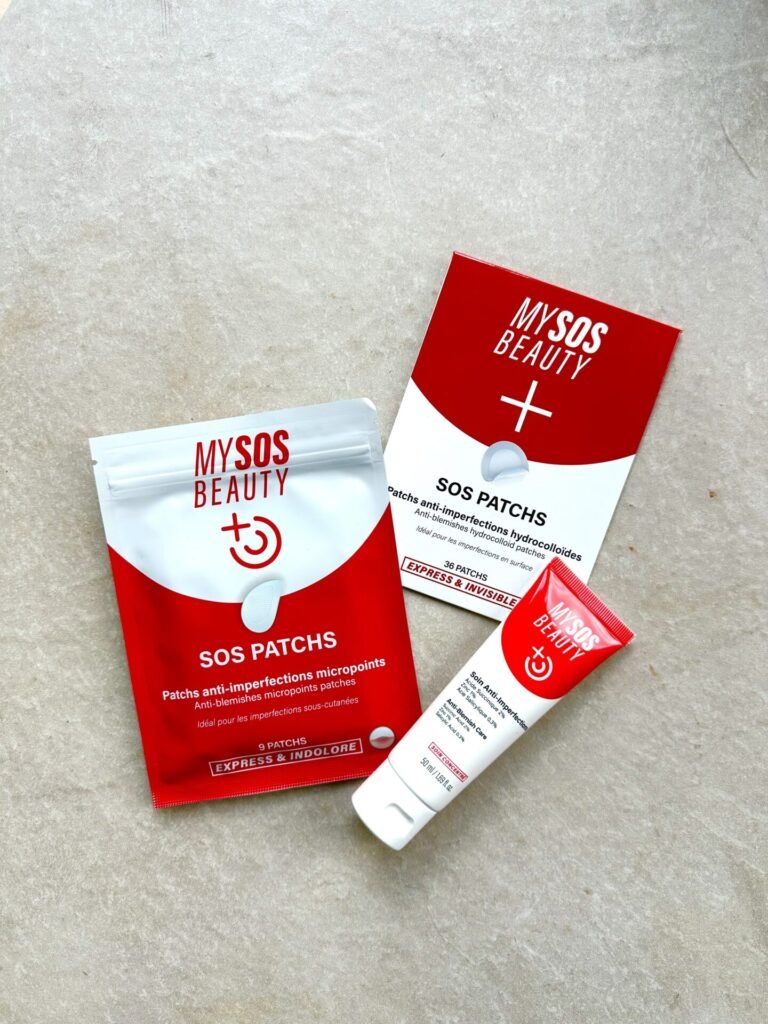
While adopting these hygiene habits is essential for preventing breakouts, choosing the right skincare products is equally important. That’s why at My SOS Beauty, we’ve developed a complete range specifically designed to effectively target blemishes while respecting your skin’s natural balance.
Discover in particular:
- Active Anti-Blemish Care: Formulated with key ingredients such as salicylic acid, succinic acid and zinc, this treatment works quickly to unclog pores, soothe inflammation and prevent new spots from forming.
- SOS Patches: true allies for targeting and treating spots locally and quickly, while shielding skin from external aggressors. Perfect for use both day and night, their transparent finish makes them discreet and easy to wear in any situation.
Combined with regular pillowcase care, these products help you optimise your routine for lastingly clear, blemish-free skin.
Conclusion: A healthy routine starts with the essentials ✨
Ultimately, your pillowcase does play a meaningful role in the overall condition of your skin. By building simple hygiene habits (changing pillowcases regularly, washing them properly, choosing the right fabrics) and complementing your routine with the right skincare, you can make a genuinely visible difference to your complexion.
Visit our website to discover all My SOS Beauty skincare products, specially formulated to guide your skin towards lasting health and a radiant glow.