
Acne can be a frustrating challenge, but the good news is that effective solutions do exist. Many powerful ingredients can help reduce breakouts, prevent new blemishes, and soothe the skin. In this article, we explore the four hero ingredients that should be part of your skincare routine if you struggle with acne: salicylic acid, succinic acid, zinc, and tea tree oil.

1. Salicylic Acid: Your go-to for deep pore cleansing. Salicylic acid is arguably one of the most popular ingredients in the fight against acne. This chemical exfoliant, belonging to the beta-hydroxy acid (BHA) family, is renowned for its ability to penetrate deep into pores, where it dissolves dead skin cells and excess sebum.
Why it works against acne : Acne is often caused by the build-up of sebum and dead skin cells that clog pores. Thanks to its oil solubility, salicylic acid can penetrate deep into pores, unclog them, and help prevent the formation of comedones (blackheads and whiteheads). Its anti-inflammatory properties also help reduce the redness and inflammation associated with breakouts.
How to use it : Salicylic acid is available in cleansers, toners, serums, and spot treatments. It is recommended to use it once a day or every other day, depending on your skin’s sensitivity. A concentration of 0.5 to 2% is generally sufficient to deliver results while minimising irritation. Always follow up with a moisturiser after use.
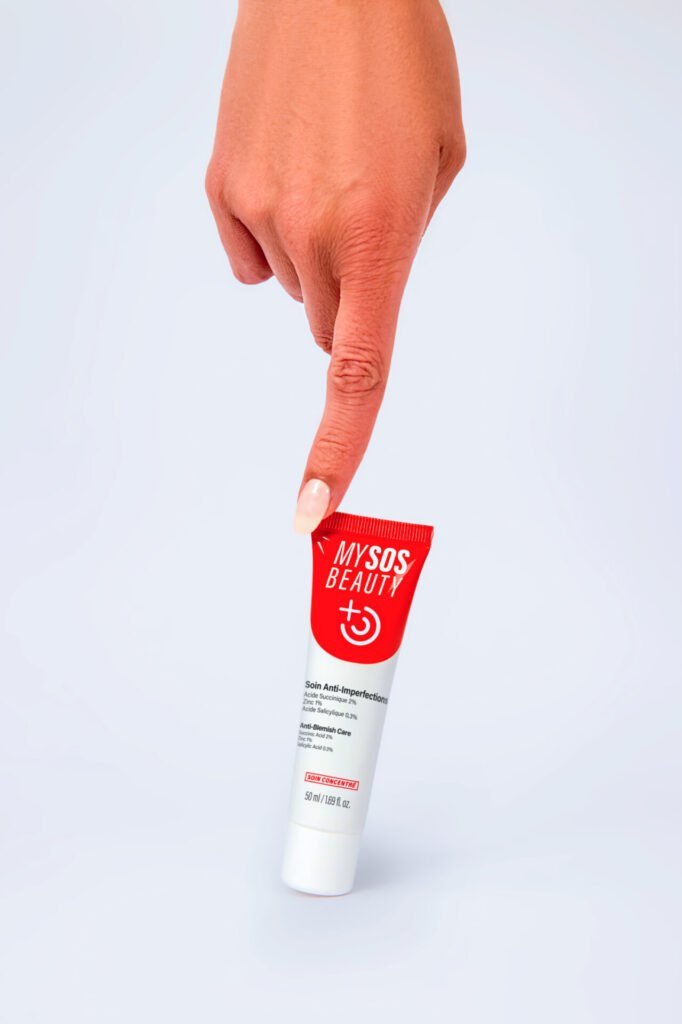
2. Succinic Acid: A blemish-fighting booster. Succinic acid is a newer addition to the world of anti-acne skincare, but it is quickly gaining recognition for its effectiveness. Derived from amber, it acts as both a sebum regulator and an anti-inflammatory. In addition to treating existing blemishes, it also helps prevent them from coming back.
Why it works against acne: Succinic acid reduces sebum production while calming inflammation. It helps reduce the size of blemishes and limit the growth of acne-causing bacteria. Unlike some other anti-acne ingredients, it is relatively gentle on the skin, making it an excellent choice for those with sensitive skin.
How to use it: Succinic acid is typically found in serums and creams. Apply it directly to blemish-prone areas, morning and evening. It works well alongside other ingredients such as salicylic acid, offering a gentle yet effective approach to treating and preventing acne.
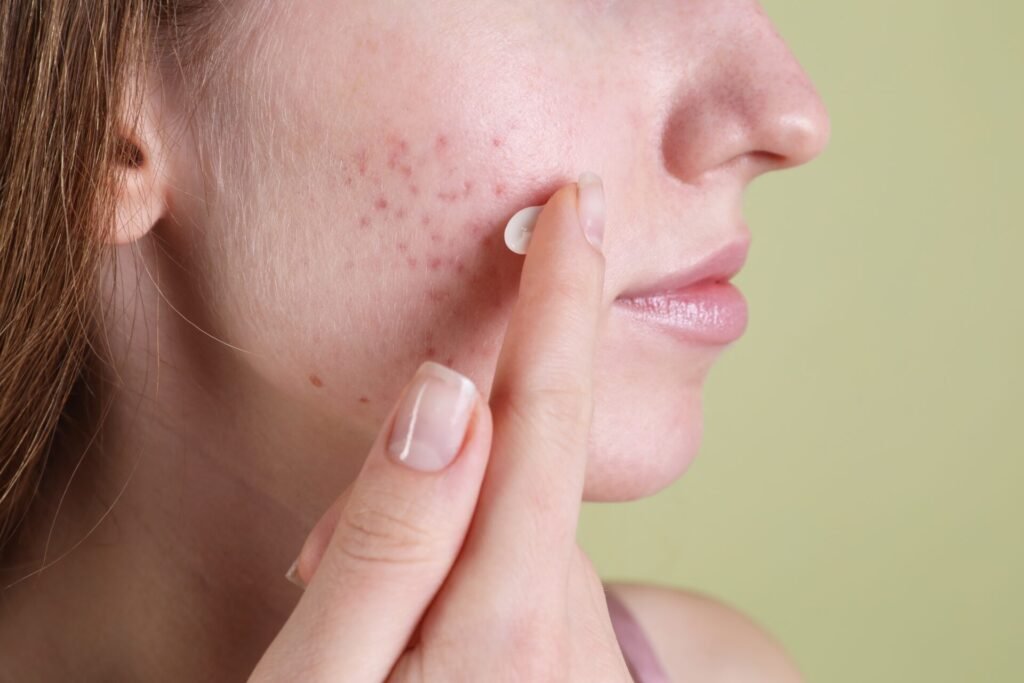
3. Zinc : The natural sebum regulator and anti-inflammatory. Zinc is a mineral that plays a key role in skin health, particularly for those prone to acne. It is well known for its anti-inflammatory and antibacterial properties, making it a top choice for soothing the skin and tackling blemishes. Zinc is frequently used in topical products to help regulate sebum production and prevent acne flare-ups.
Why it works against acne: Zinc helps reduce the amount of sebum produced by the skin, preventing pores from becoming clogged. It also reduces redness and inflammation around blemishes, speeding up the healing process. Its antibacterial properties further help limit the proliferation of acne-causing bacteria.
How to use it : Zinc can be found in creams, serums, or as a dietary supplement. For topical use, look for products containing zinc pyrithione or zinc gluconate, applied directly to problem areas. Ideally, use it morning and evening as part of a dedicated anti-acne skincare routine.
4. Tea Tree : The natural antibacterial. Tea tree essential oil is a natural ingredient with a long-standing track record in acne treatment. Thanks to its powerful antibacterial and anti-inflammatory properties, tea tree oil can target the bacteria responsible for blemishes while soothing skin irritation.
Why it works against acne: Tea tree oil is highly effective for treating mild to moderate acne, particularly inflammatory acne. It penetrates pores and helps neutralise bacteria, while reducing the size and redness of blemishes. It also helps disinfect the skin without drying it out, making it an excellent natural alternative to harsher treatments.
How to use it: Tea tree oil should be used with care, as it can be irritating in its pure form. It is recommended to dilute a few drops in a carrier oil (such as jojoba oil) before applying it to the skin. You can also find ready-to-use products, such as gels or creams containing tea tree extract, formulated for sensitive skin. Use these products once or twice a day, depending on your skin’s tolerance.
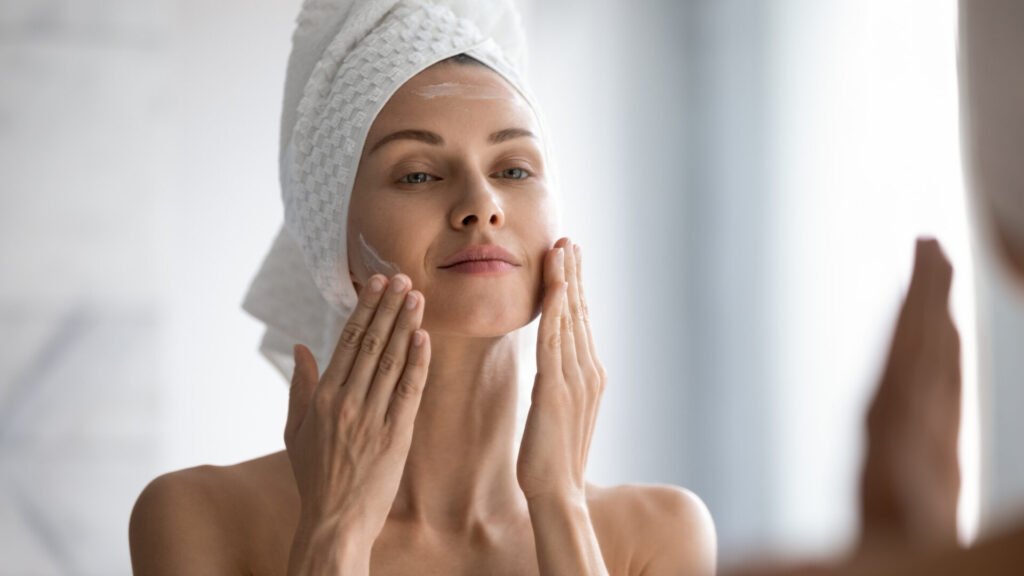
How to combine these ingredients for an optimal anti-acne routine
Morning: Start with a gentle cleanser containing salicylic acid to unclog pores. Follow with a zinc serum to regulate sebum production and calm the skin. If you prefer a lighter approach in the morning, a gentle succinic acid serum works just as well. Finish with a non-comedogenic moisturiser and a sunscreen.
Evening: Cleanse your skin again with a salicylic acid cleanser. Follow with a targeted treatment based on succinic acid or tea tree oil on blemish-prone areas. Apply a moisturiser to protect the skin barrier.
By combining these ingredients in a balanced routine, you will maximise your chances of effectively fighting acne while preserving your skin’s integrity.
Conclusion
Acne can be a persistent concern, but with ingredients like salicylic acid, succinic acid, zinc, and tea tree oil, achieving clearer, healthier-looking skin is within reach. These ingredients offer complementary benefits: deep pore cleansing, sebum regulation, inflammation reduction, and antibacterial action. Choose the right products suited to your skin type and specific needs, and you will be able to address acne in a more targeted and effective way.