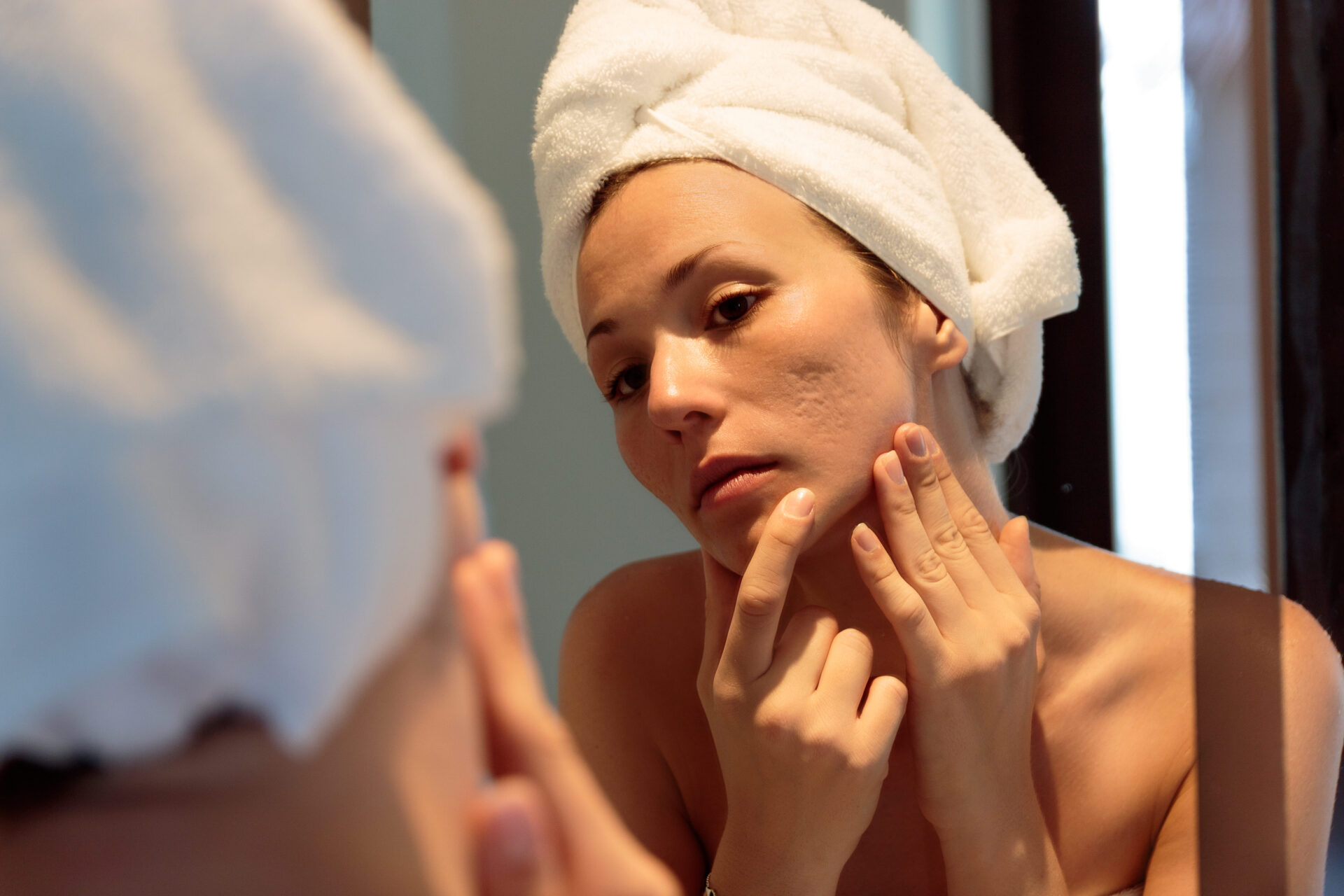
When breakouts and skin inflammation clear up, it can be frustrating to find that scars or marks are still dulling your complexion. The good news: there are effective ways to fade these traces and stop them from becoming permanent. In this article, discover the different types of post-blemish marks, the mechanisms behind them, and — most importantly — the best strategies to help your skin regenerate and regain an even, radiant appearance.
1. Why do marks appear after a blemish?
When the skin experiences an inflammatory lesion (acne, breakout, etc.), it triggers a healing process to protect and repair itself. However, several factors can disrupt this process and lead to post-inflammatory marks:
- Significant inflammation: The more inflamed or manipulated a blemish is (squeezing, picking), the greater the risk of lasting marks.
- Disrupted collagen production: Healing can result in insufficient collagen (depressed scars) or excess collagen (raised scars).
- Excess melanin: In some cases, inflammatory stress can trigger an overproduction of melanin, leaving behind brown or reddish pigmented marks.
Understanding these mechanisms helps you better anticipate and act to limit the formation of post-inflammatory marks.
2. The different types of post-blemish marks
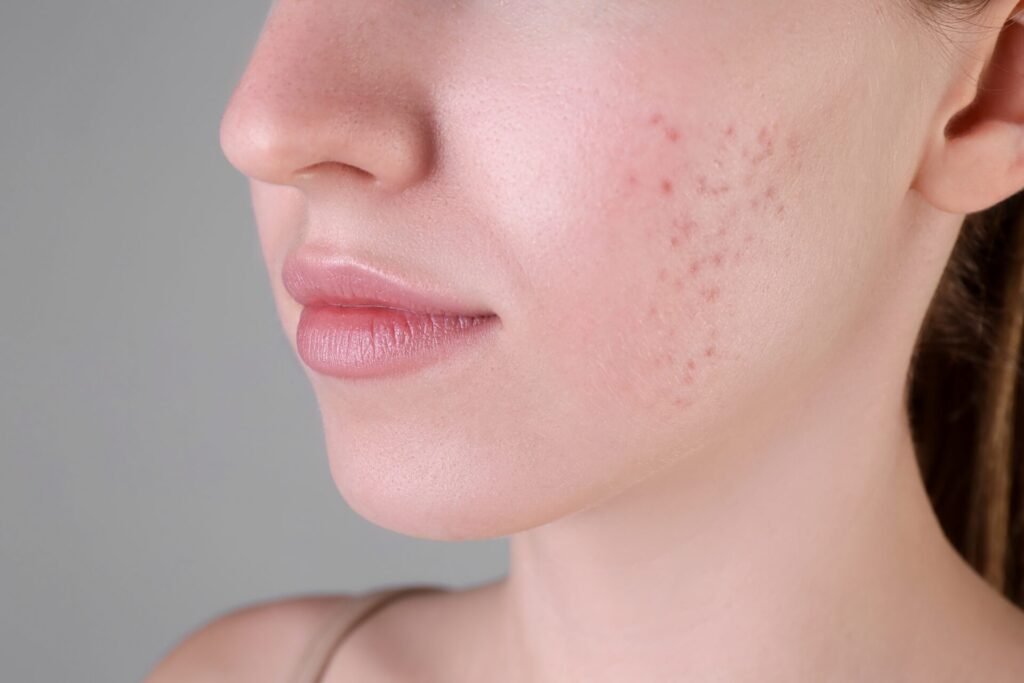
A. Post-inflammatory hyperpigmentation (PIH)
PIH appears as brown, red or purplish spots where a blemish once was. It results from an overproduction of melanin, often worsened by sun exposure during the healing process.
- These marks are generally reversible: using depigmenting ingredients (vitamin C, niacinamide) alongside consistent sun protection gradually evens out the complexion and prevents spots from darkening further.
B. Atrophic scars (depressed scars)
Atrophic scars appear as small indentations — sometimes very narrow (“ice pick”) or broader (“boxcar”). They result from insufficient collagen production during skin repair.
- To help the skin gradually smooth out, dermatological techniques (laser, micro-needling) and collagen-stimulating treatments (retinol, peptides) are the go-to options. Proper hydration and sun protection enhance the effectiveness of these approaches.
C. Hypertrophic scars or keloids
Hypertrophic scars and keloids present as thick, fibrous raised areas, sometimes extending beyond the original lesion. They reflect an excess of collagen produced during healing.
- To address them, smoothing treatments (silicone gels, enriched creams) can be applied, and for more significant scars, targeted interventions (corticosteroid injections, laser) may be considered. Limiting initial inflammation — by avoiding picking at blemishes — already helps reduce the risk of this type of scarring.
3. Strategies to fade and prevent marks 🌿
A. Preventing marks from forming
- Don’t pick or squeeze blemishes: Picking or squeezing a spot intensifies inflammation and increases the risk of marks and scars. It’s far better to reach for SOS patches or targeted blemish treatments to treat spots effectively and support a clean, rapid healing process.
- Treat breakouts quickly: Actives such as salicylic acid or benzoyl peroxide help shorten the duration of inflammation. Pair them with a gentle cleanser, a lightweight moisturiser and sebum-regulating patches to maintain skin balance.
- Protect your skin from the sun: UV rays darken existing marks by stimulating melanin production. Apply a sunscreen (minimum SPF 30) every morning and reapply during prolonged sun exposure.
B. Fading existing marks
- Gentle chemical exfoliation: AHAs (glycolic acid, lactic acid) or BHAs (salicylic acid) promote an even complexion and accelerate cell renewal. Monitor your skin’s reaction if you have a sensitive skin type.
- Depigmenting and evening-out ingredients: Niacinamide, vitamin C, azelaic acid… these are all actives capable of brightening brown spots. Combine them with good hydration and sun protection for best results.
- Collagen-stimulating treatments: Retinol, peptides or micro-needling help gradually smooth atrophic scars. Maintain adequate hydration to optimise skin tolerance.
4. The My SOS Beauty approach: Skincare to prevent and repair 🌟
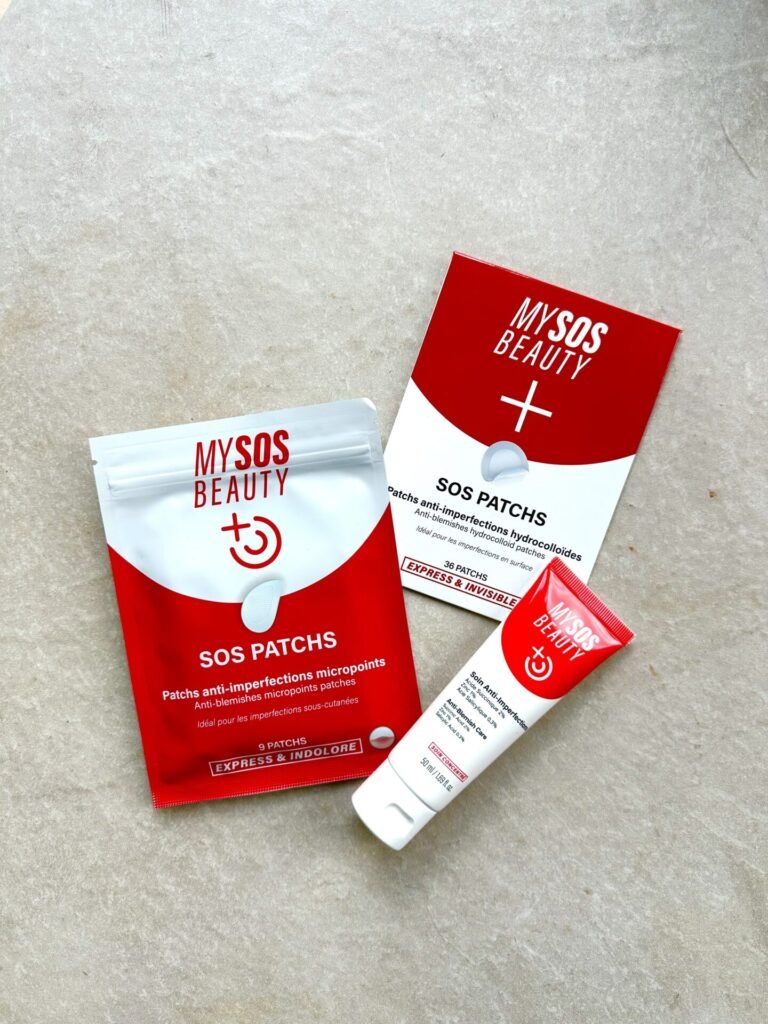
At MySOSBeauty, we are committed to offering effective, skin-respectful solutions for blemish-prone skin. Our range is designed to act at every stage of the blemish cycle and minimise the appearance of residual marks as much as possible:
- Active Anti-Blemish Treatment: Formulated with salicylic acid to unclog pores and calm inflammation, this gel targets blemishes directly while helping to prevent scar formation. Its targeted action regulates excess sebum and promotes faster cell renewal, supporting skin regeneration without leaving lasting marks.
- SOS Patches: A true ally for clean healing, these patches shield the blemish from external aggressors (bacteria, pollution) and remove the temptation to touch or pick. Thanks to their purifying and soothing actives, they help dry out and absorb the blemish while preserving the skin barrier — reducing the risk of post-inflammatory marks or visible scarring.
By incorporating these products into a tailored skincare routine — gentle cleansing, balanced hydration and sun protection — you can not only treat existing blemishes but also effectively prevent new marks from forming. Explore our solutions and find the MySOSBeauty products best suited to your needs, for skin that looks clear, even and radiant.
Conclusion ✨
Post-blemish scars and marks are not inevitable. By adopting good skincare habits, using exfoliating or depigmenting actives wisely, and protecting your skin from the sun, you can significantly fade these traces and prevent them from returning. My SOS Beauty products are designed with this in mind: to help every skin type find its balance, evenness and natural glow.
To learn more about our products and discover our solutions for clear, luminous skin, visit our website. Protect, care for, and reveal the natural beauty of your skin!